
The Core Difference: Soil Control vs. Scale
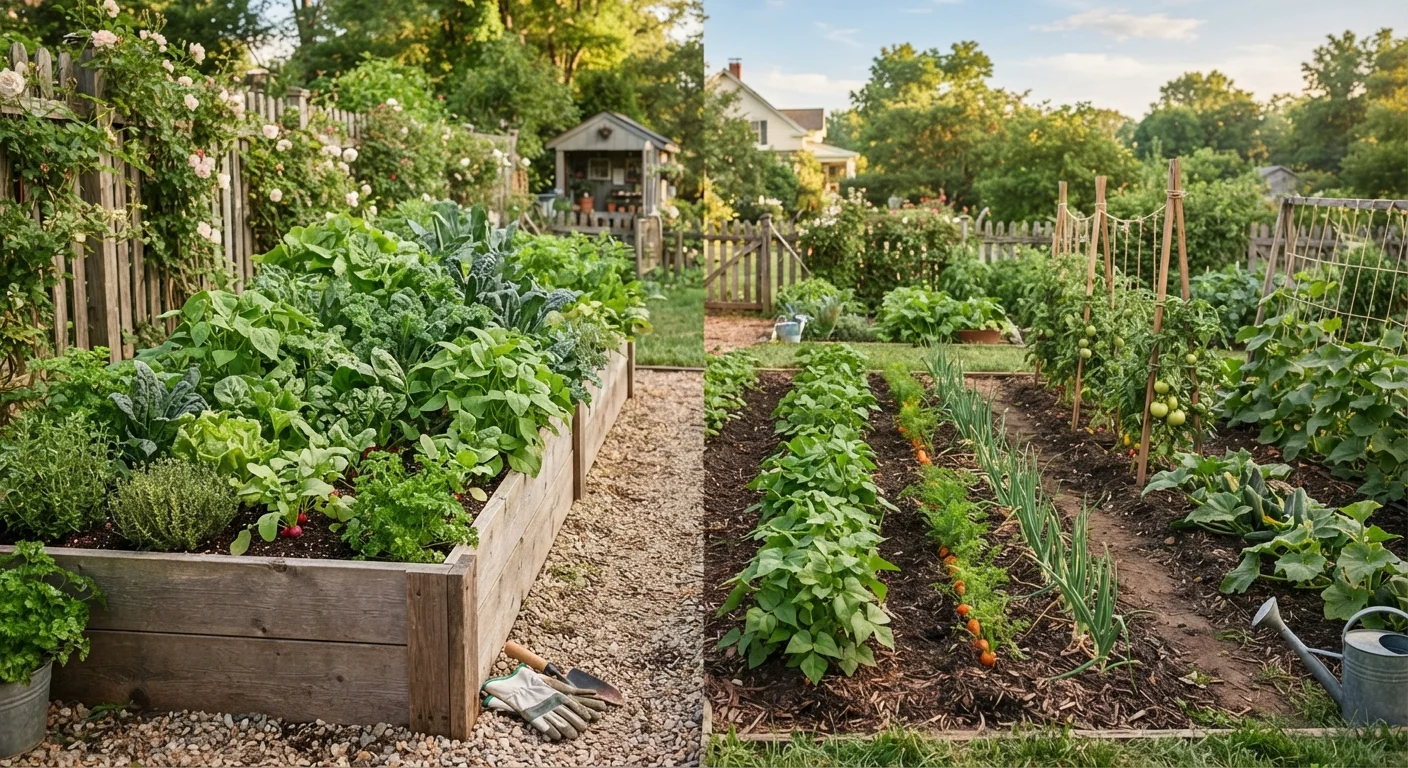
The choice between raised beds and in-ground planting comes down to a fundamental trade-off: control versus scale. Raised beds put you in charge of every cubic inch of growing medium - you select the soil, the drainage layer, and the amendments. In-ground planting works with (or against) whatever nature has already laid down.
If you're just getting started, our guide to starting a garden from scratch covers the soil, sunlight, and spacing basics that apply to both approaches. Understanding those fundamentals first will help you make this decision more confidently.
Raised beds are essentially self-contained growing systems. You fill them with a curated blend - typically a mix of topsoil, compost, and an aerating material such as perlite or coarse sand. The depth (usually 8-12 inches for most vegetables, deeper for root crops) determines what you can grow. In-ground planting relies on amending and working with the existing earth, which can take seasons to improve if your soil starts out compacted or nutrient-poor.
| Criterion | Raised Beds | In-Ground Planting |
|---|---|---|
| Upfront cost | Moderate to high | Low |
| Soil control | Complete - you choose the mix | Limited - amend over time |
| Drainage | Excellent by design | Varies with native soil type |
| Season length | Extended - warms earlier | Standard for your zone |
| Weed pressure | Lower at setup | Higher, especially early on |
| Scalability | Limited by cost and space | Easily expanded |
| Deep-rooted crops | Restricted by bed depth | Unrestricted root depth |
| Accessibility | High - adjustable height | Standard ground-level access |
| Long-term maintenance | Structural upkeep needed | Ongoing soil amendment needed |
Cost, Setup, and Long-Term Investment
Raised beds carry meaningful upfront costs. Lumber, hardware cloth (used as a base barrier against burrowing pests), corner brackets, and bulk soil can add up quickly - especially for multiple beds. Cedar and redwood are naturally rot-resistant choices, though less expensive untreated pine can work if you accept a shorter lifespan. Composite and galvanized steel options exist but vary widely in cost.
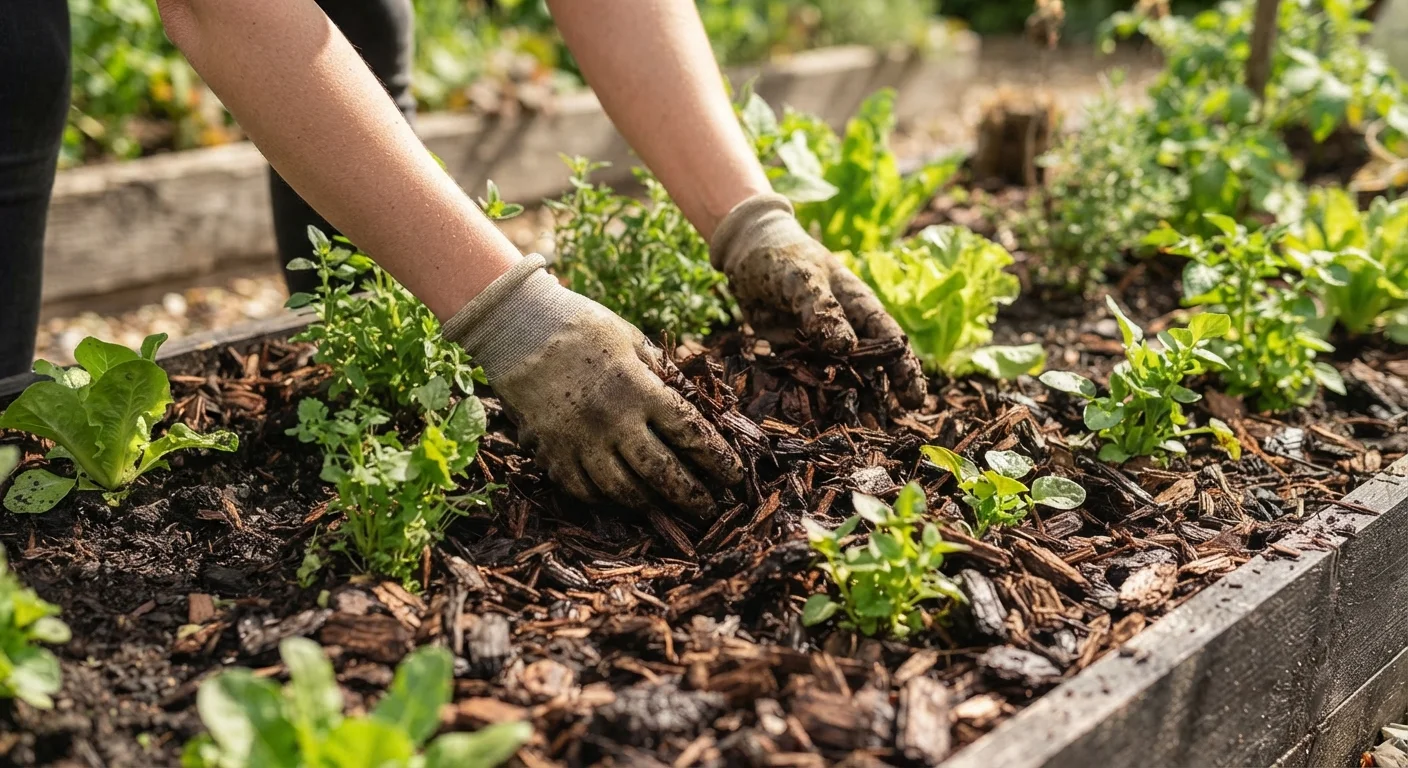
In-ground planting's startup cost is far lower. If your soil is workable, you may need little more than a spade, compost, and some mulch. Our article on mulching your garden beds correctly explains how a proper mulch layer reduces watering frequency and suppresses weeds in both bed types - a small investment with outsized returns.
Over time, however, raised beds reduce costs associated with ongoing soil remediation, pest management, and water waste, partially offsetting the initial outlay. In-ground beds may require periodic soil testing, lime or sulfur amendments to correct pH, and more consistent weed management.
8-12 in.
Minimum recommended raised bed depth for most vegetables
Extension horticulture programs generally recommend at least 8 inches for leafy greens and 12 or more for root vegetables and tomatoes.
2-4 weeks
Earlier spring planting possible with raised beds
University cooperative extension research in northern US climates has documented raised beds reaching planting temperatures significantly ahead of adjacent in-ground soil.
50-70%
Reduction in weeding time reported by raised bed gardeners
Gardening surveys consistently find that raised bed users report substantially less time spent on weeding compared to in-ground gardeners, particularly in the first few seasons.
Drainage, Watering, and Season Length
Drainage is where raised beds most clearly outperform in-ground plots. Because the growing medium is elevated and purpose-mixed, water moves through it readily. This is critical after heavy rainfall, particularly in clay-heavy regions where in-ground beds can stay waterlogged long enough to suffocate roots or promote fungal disease.
Raised beds also warm faster in spring. Soil elevation exposes more surface area to sunlight and air, and the walls themselves absorb radiant heat. In many US growing zones, this translates to planting tomatoes, peppers, and squash two to four weeks earlier than in-ground neighbors. Come autumn, raised beds also shed heat faster - a consideration if you're extending into frost-prone conditions.
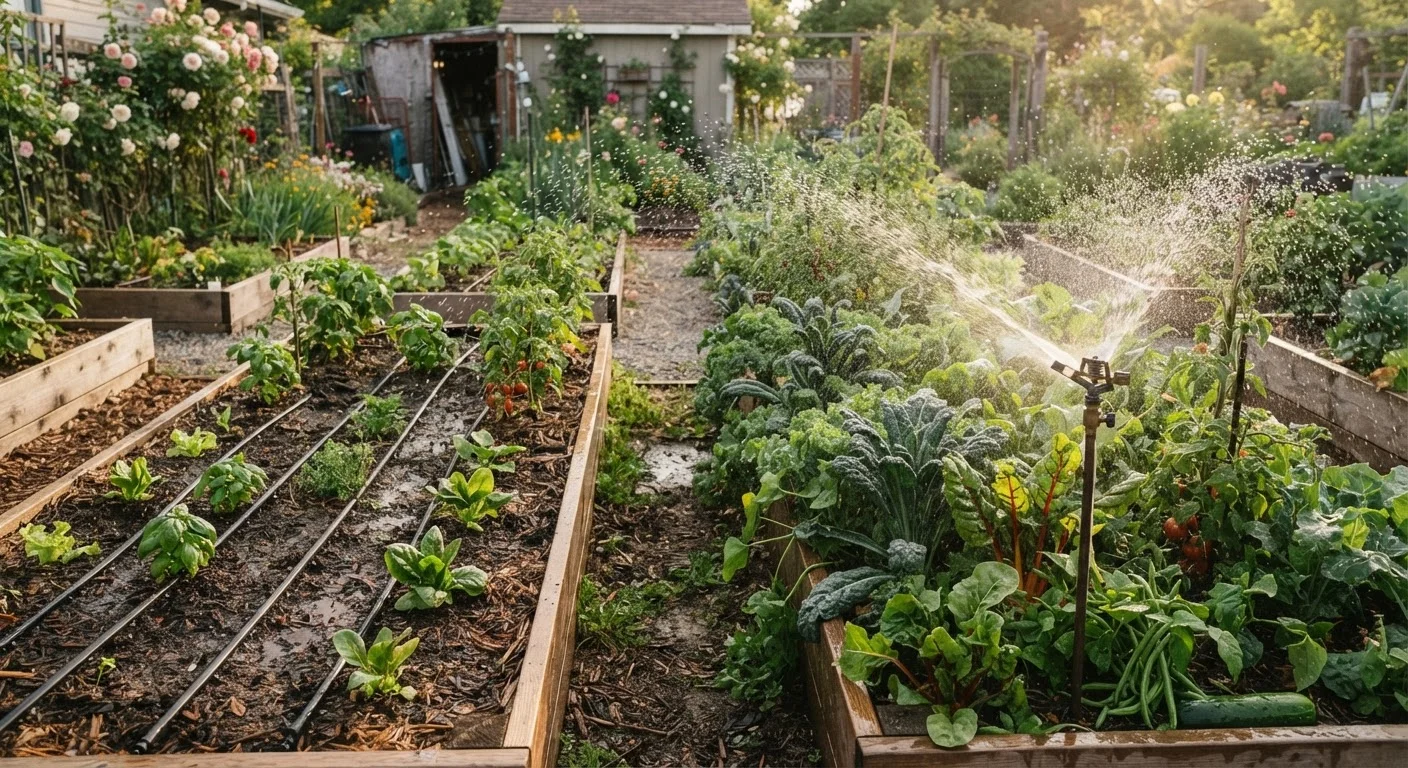
Watering strategy matters in both systems. Because raised bed soil drains freely, it also dries out more quickly in summer heat - meaning you may need to water more frequently. A drip irrigation system can be especially efficient for raised beds, delivering moisture directly to root zones without waste. In-ground soil typically retains moisture longer, which benefits drought-tolerant plants but can cause problems in wetter climates.
Weeds, Pests, and Maintenance Over Time
One of the most practical advantages of raised beds is weed suppression at setup. Starting with purchased or blended soil means you introduce far fewer weed seeds than you'd encounter in native ground. A layer of cardboard or hardware cloth beneath the bed discourages both weeds and burrowing pests. Over seasons, weeds do appear - primarily from wind-blown seeds - but they're typically easier to manage in the loose, well-aerated soil of a raised bed.
In-ground beds require consistent weed management from the outset, particularly in their first two to three seasons. Ground cover plants can help suppress weeds between crops in larger in-ground plots, reducing the labor burden naturally without chemical inputs.
Pest management differs between the two systems as well. Raised beds with hardware cloth bases block voles and moles effectively. Slugs and cutworms can be physically excluded more easily when beds have defined borders. In-ground plots, especially larger ones, are more exposed to soil-dwelling insects and ground-level pests - though this also means they support a broader ecosystem of beneficial organisms, including earthworms that migrate freely through the soil.
When planning what to grow in either setup, the choice between short-lived annuals and long-lived perennials also shapes your maintenance strategy. Our breakdown of perennials vs. annuals can help you decide which plant types suit each system best.