
Why Ground Cover Beats Bare Soil Every Time
Bare soil is an open invitation for weeds. Without competition, opportunistic plants germinate quickly, establish deep roots, and take over garden beds before you notice. Herbicides offer a short-term fix, but they don't address the underlying condition: uncovered ground.
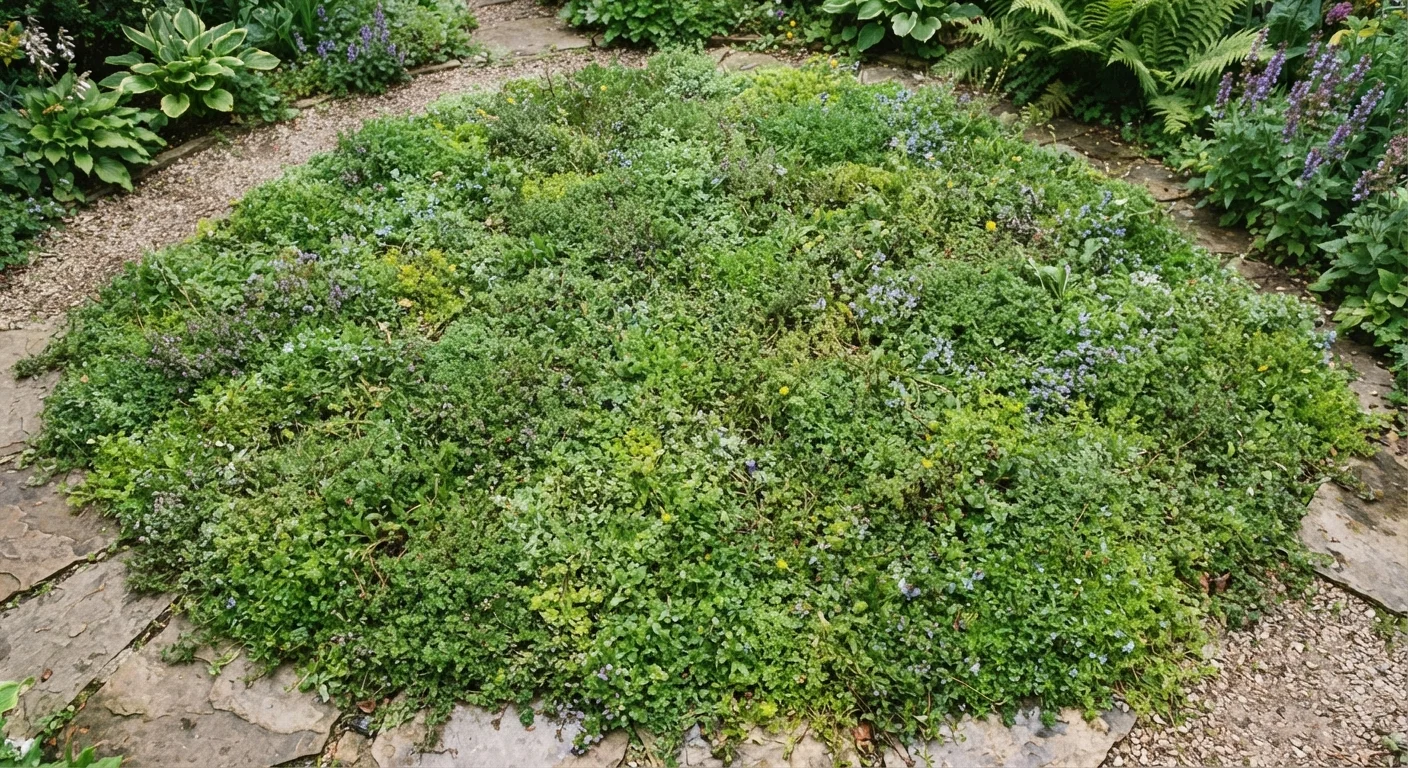
The smarter long-term approach is to fill that space intentionally with low-growing plants that close the canopy, shade the soil surface, and leave no room for weeds to get the light they need to germinate. This is the core principle behind using ground cover as a weed-suppression strategy.
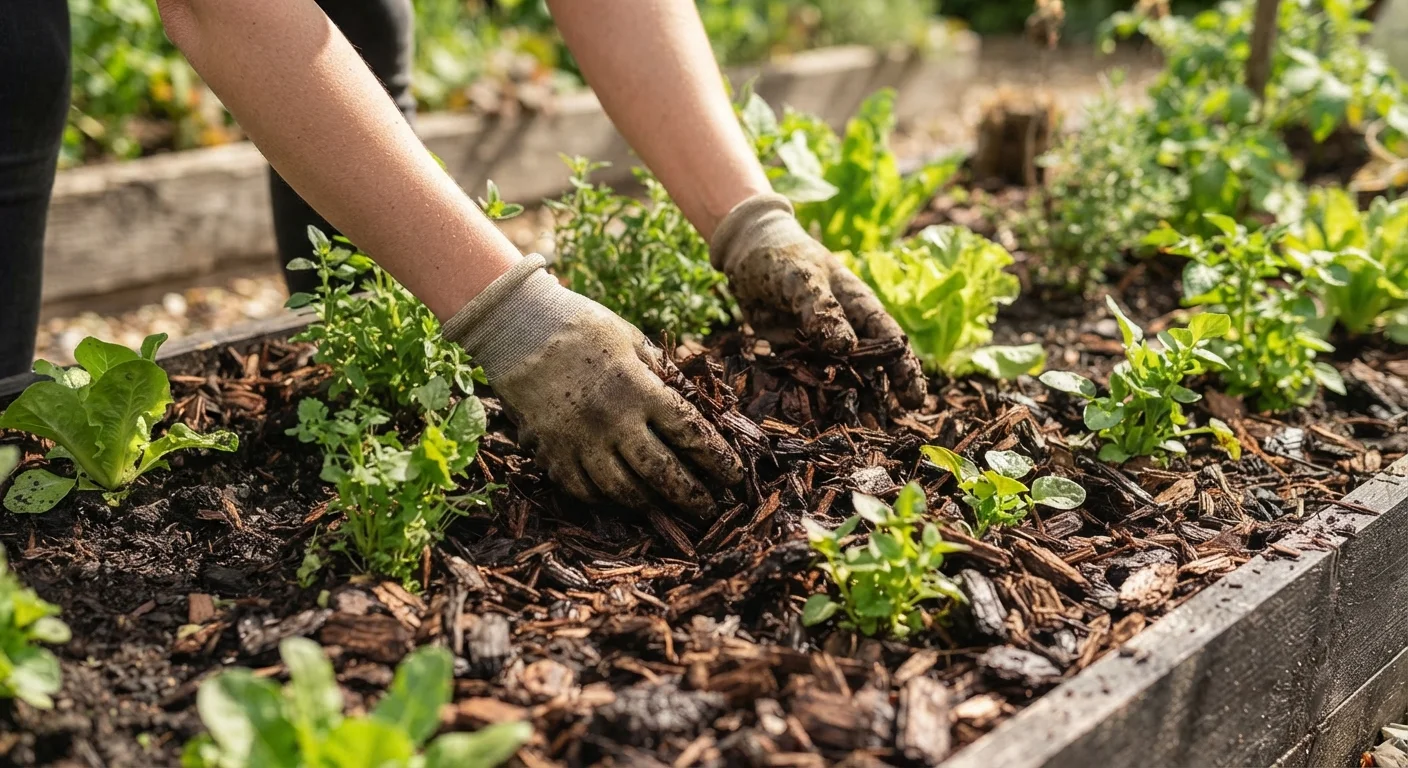
Ground covers also offer real practical benefits beyond weed control. They help stabilize soil against erosion, retain moisture so you water less often, and add texture and seasonal interest to areas where taller plants struggle. Paired with a good mulching approach - see our guide on mulching your garden beds correctly - they form a genuinely low-maintenance system.
The plants listed below are reliable performers across a range of US garden conditions. Always verify that a particular species is appropriate for your region before planting, and check with your local cooperative extension service if you're unsure whether a plant has invasive potential in your area.
Start Small and Let Plants Do the Work
Rather than planting ground covers across an entire bed at once, consider starting with a few well-placed plants and allowing them to spread naturally. This reduces upfront cost and lets you assess how a species performs in your specific conditions before committing fully. Fill gaps with temporary mulch while the plants establish.
Ground Cover Plants Worth Growing
Creeping Thyme (Thymus serpyllum)
Creeping thyme is a sun-loving, drought-tolerant perennial that forms a dense, fragrant mat only a few inches tall. It spreads steadily to fill gaps between stepping stones, along borders, or across dry, sunny slopes. Because it grows so tightly, it leaves almost no space for weed seedlings to establish.
It performs best in well-drained soil and full sun, tolerating poor or rocky ground where other plants struggle. In summer, it produces small purple-pink flowers that attract pollinators. Once established, it requires minimal watering and virtually no fertilizer. Foot traffic tolerance varies by cultivar - some handle light treading well, making them practical for pathways.
Creeping thyme thrives in poor soil where many plants fail, making it ideal for neglected sunny spots.
Creeping Jenny (Lysimachia nummularia)
Creeping Jenny is a fast-spreading, low-growing perennial with rounded leaves that form a dense, leafy carpet. It performs well in moist to moderately wet conditions and tolerates partial to full shade - making it a strong choice for areas under trees or near water features where other ground covers thin out.
Its bright chartreuse or gold-leafed cultivars add visual interest while the plant does the practical work of smothering weed germination. Important note: Creeping Jenny has invasive potential in some regions, particularly near natural waterways. Always check with your local extension service before planting, and avoid sites where it could spread beyond your garden boundaries.
Creeping Jenny excels in damp, shaded spots where most weed-suppressing ground covers simply won't grow.
Sweet Woodruff (Galium odoratum)
Sweet woodruff is a shade-tolerant perennial that spreads by underground rhizomes to form a soft, even carpet of whorled green leaves. It's a reliable choice for dry shade beneath established trees - an environment where grass fails and weeds often dominate. In spring, it produces delicate white flowers with a faint honey-vanilla scent.
It grows to about 6-8 inches tall and fills in relatively quickly once established. Sweet woodruff prefers slightly acidic, well-drained soil with consistent moisture until it gets established. It's considered well-behaved in most US garden contexts, though its spreading habit means you'll want to define boundaries in smaller beds.
Sweet woodruff fills dry, shaded areas under trees - one of the most challenging spots in any garden.
Ajuga (Ajuga reptans)
Ajuga, also called bugleweed, is a semi-evergreen perennial ground cover that produces rosettes of textured foliage in shades ranging from deep green to burgundy and bronze. In spring, upright flower spikes in blue-purple attract bees and other pollinators. It spreads via surface runners, filling in bare patches relatively quickly.
Ajuga tolerates a wide range of conditions - from full sun to partial shade - and handles moderate foot traffic. It does best in average to moist, well-drained soil. In dense shade, it may thin out; in very wet soil, it can be susceptible to crown rot. Monitor its spread in garden beds with nearby lawn areas, as it will cross boundaries over time.
Ajuga's fast-spreading runners close bare patches quickly, making it especially useful in new or patchy beds.
Sedum (Sedum spp.)
Low-growing sedum varieties - sometimes called stonecrop - are succulent perennials well suited to hot, dry, sunny locations where water conservation matters. Their fleshy leaves store moisture, allowing them to outcompete weeds during dry spells when other plants struggle. They spread gradually to form textured, weed-resistant mats.
Sedum varieties are diverse in leaf color and texture, offering visual interest across seasons, with many producing star-shaped flowers in late summer. They thrive in poor, rocky, or sandy soils with excellent drainage and require very little maintenance once established. They're a strong choice for sloped sites, rock gardens, or any area prone to drought.
Low-growing sedums thrive in conditions - heat, drought, poor soil - that weeds also exploit, beating them at their own game.
Wild Ginger (Asarum canadense)
Wild ginger is a native North American perennial that forms a slow but eventually dense carpet of large, heart-shaped leaves in shaded woodland conditions. While it spreads more slowly than some alternatives, its large leaves are highly effective at blocking light to the soil surface, suppressing weed germination beneath established stands.
It's particularly valuable in naturalistic or woodland garden designs where non-native ground covers may look out of place. Wild ginger prefers moist, humus-rich, well-drained soil in partial to full shade. Because it's native, it generally supports local ecosystems rather than disrupting them - though as with any plant, confirming regional suitability before planting is worthwhile.
Wild ginger's large leaves block soil light effectively, making it a standout weed suppressor in shaded woodland beds.
Check Regional Invasiveness Before Planting
Some ground covers that behave well in one region can become problematic in another. A plant labeled 'spreading' in a catalog may be classified as invasive in your state. The USDA Plants Database and your local cooperative extension service are reliable resources for checking invasiveness status before introducing any new plant to your garden.
Building a Low-Maintenance Ground Cover System
Choosing the right plant is only the first step. Establishment matters enormously - most ground covers need consistent watering and some weeding during their first growing season while they spread and fill in. Once established, maintenance drops significantly, but that first year requires attention. Review effective watering habits to avoid overwatering young transplants, which is a common cause of failure.
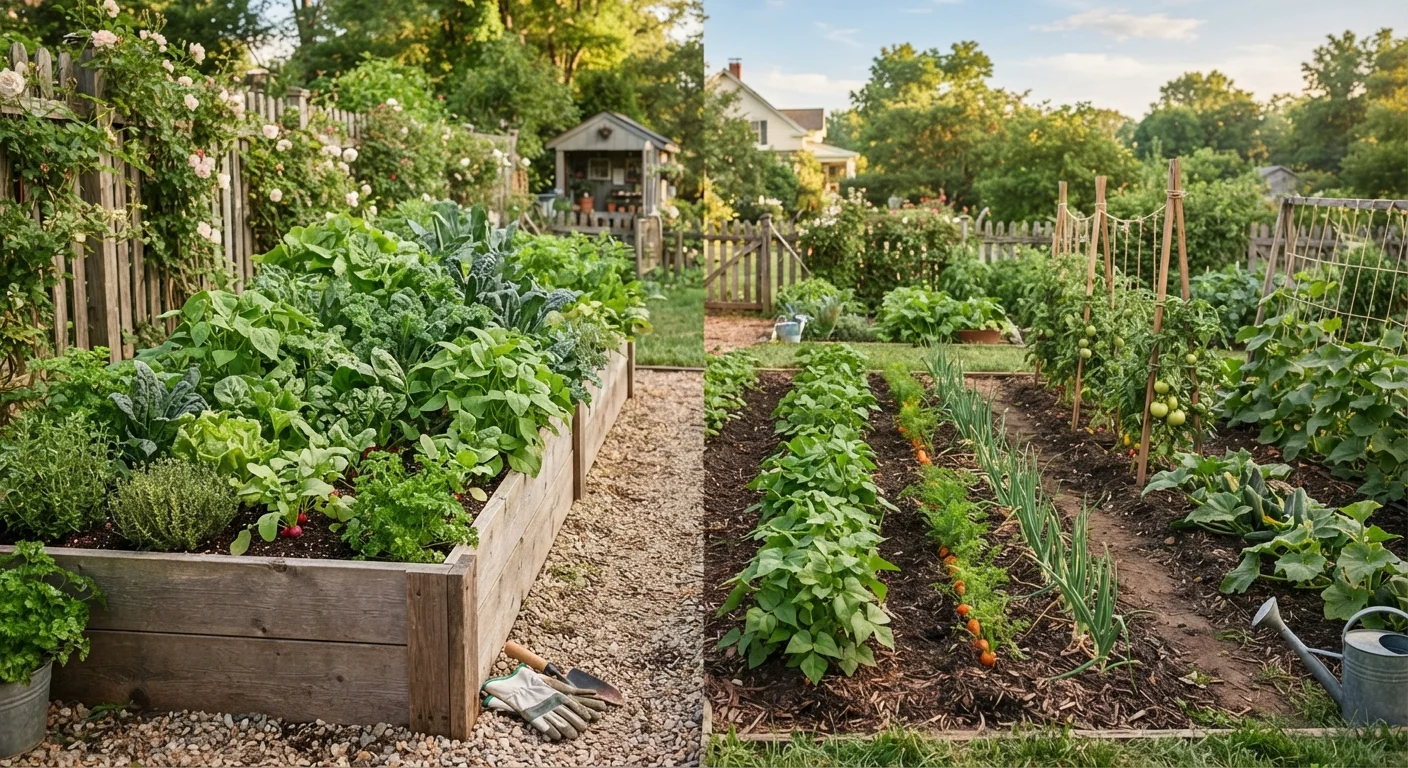
Think about how ground cover fits into your broader planting plan. Ground covers work well beneath taller shrubs and perennials, in transitional zones between lawn and beds, and on slopes where mowing is difficult. If you're deciding how to structure beds in the first place, our comparison of raised beds vs. in-ground planting can help you settle on the right approach before you plant. Ground covers also pair naturally with perennial planting strategies, since many of the best weed-suppressing options are themselves long-lived perennials that spread reliably over time.
Finally, don't overlook the role of plant neighbors. Some ground covers support beneficial insects or improve the growing conditions for surrounding plants - principles that align with companion planting practices. A thoughtfully layered garden rarely needs chemicals to stay healthy.