
How Car Auctions Actually Work
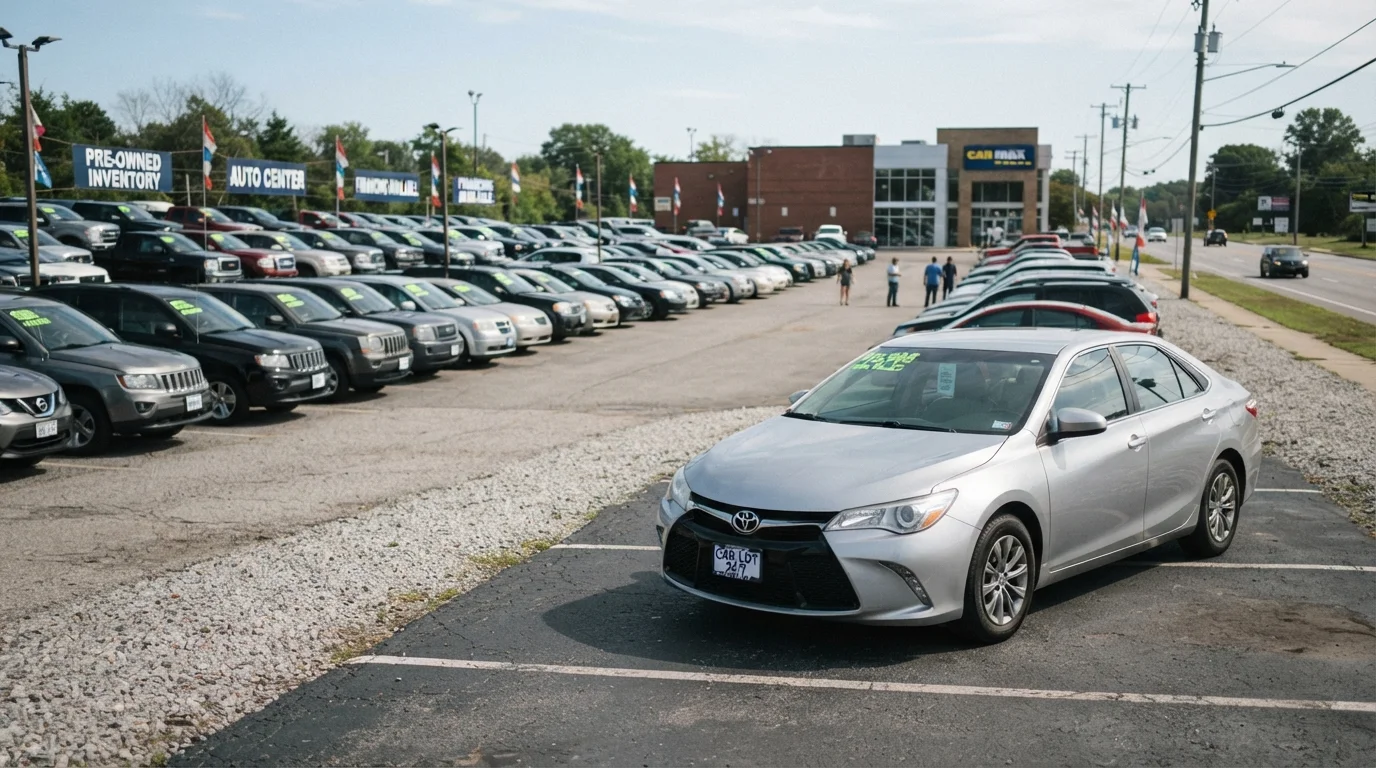
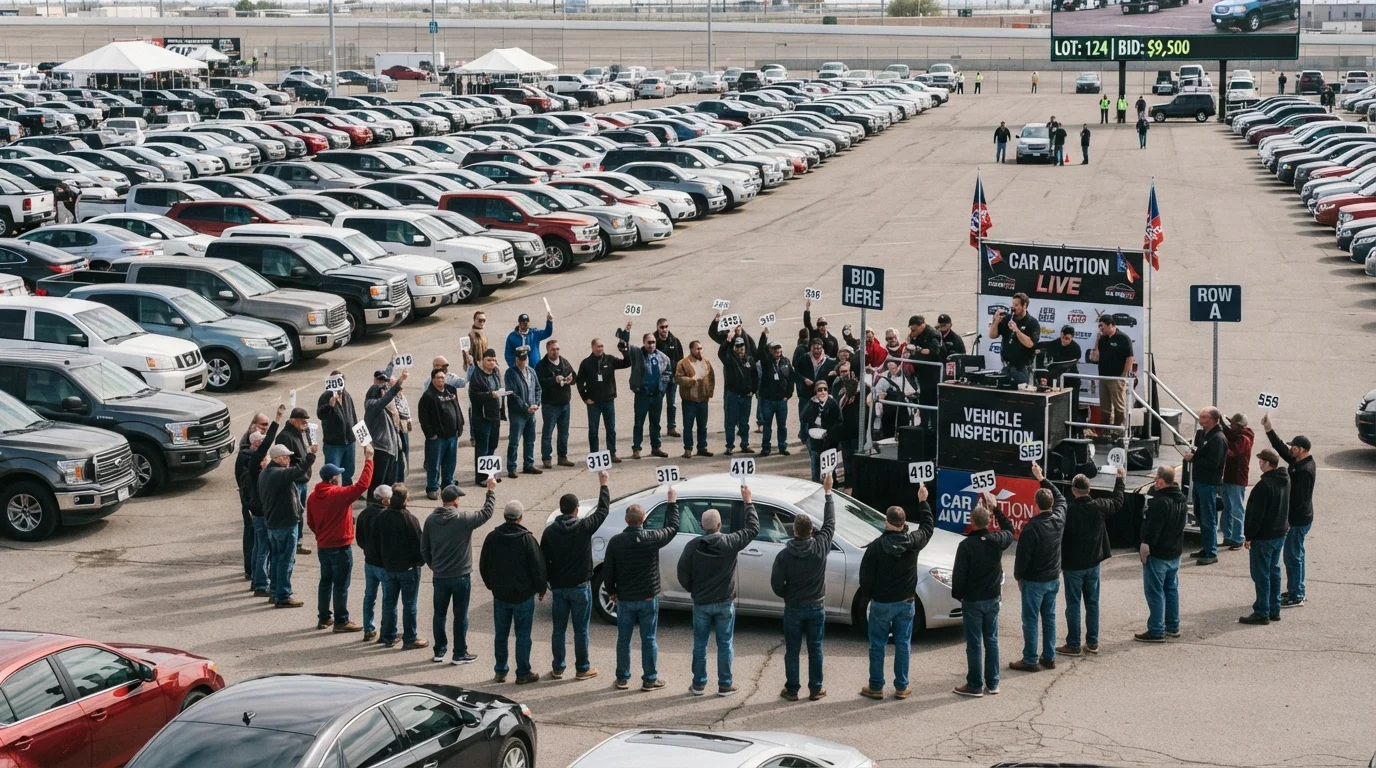
Car auctions come in several distinct formats, each with its own access rules and risk level. Public auctions are open to any registered bidder, while dealer-only auctions (sometimes called wholesale auctions) are restricted to licensed dealers. Government and fleet auctions liquidate municipal, rental, or corporate vehicles. A growing share of the market now takes place through online auction platforms, where you may never see the car in person before bidding.
In every format, the fundamental mechanic is the same: the highest bid wins, payment is typically required within 24-48 hours, and the vehicle is sold largely as-is. Understanding which type of auction you're attending - and what that means for inspection access and buyer protections - is the essential first step. See our end-to-end guide to buying a used car for context on how auctions fit into the broader used-car market.
The Genuine Advantages
Auctions attract serious buyers for good reasons. When conditions align, the benefits can be substantial.
Vehicles often sell below retail market value
Auction settings with motivated sellers - estates, fleet liquidations, repossessions - regularly produce hammer prices below what the same vehicle would fetch on a dealer lot or private listing.
Wide selection available in one location
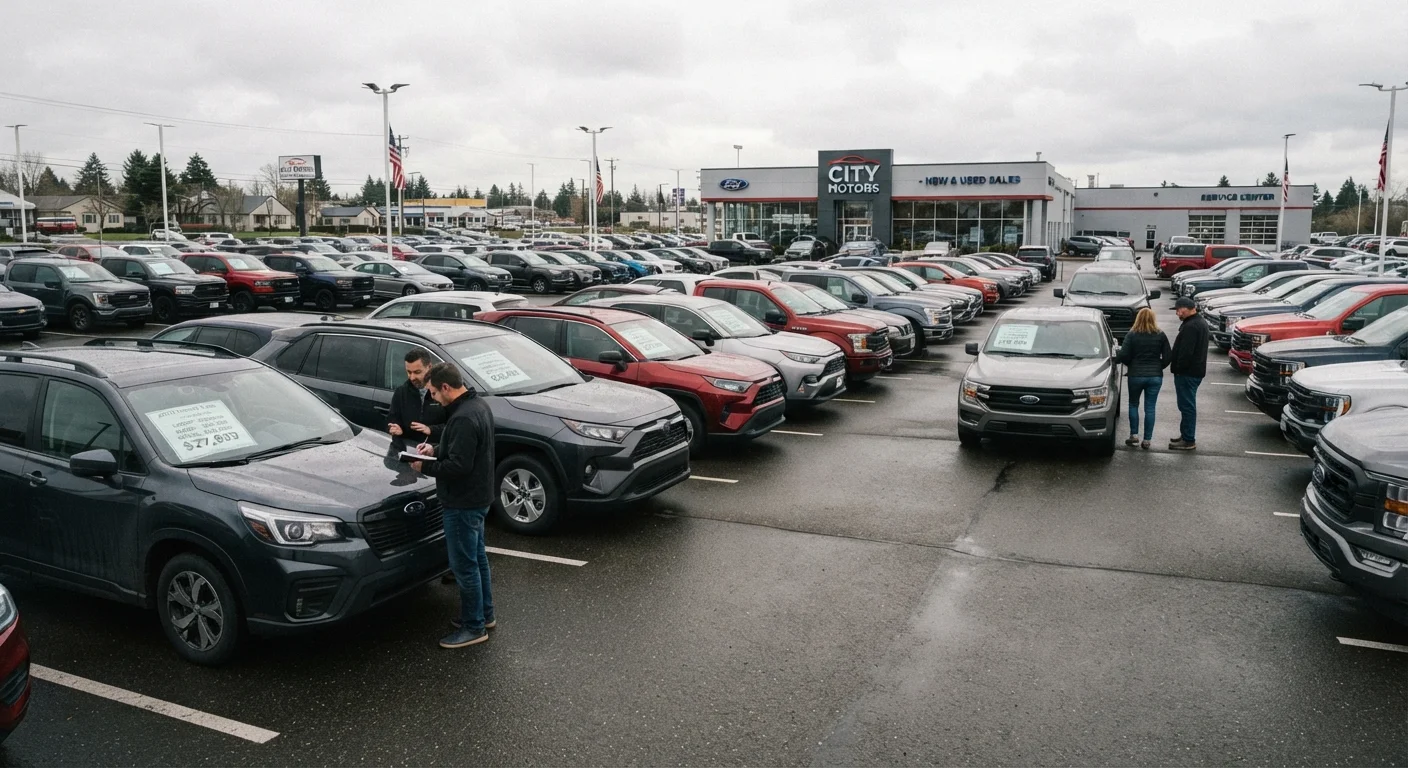
A single auction event may offer dozens or hundreds of vehicles across makes, models, and price points, saving buyers the time of visiting multiple sellers.
Fast, efficient purchase process
Once the gavel falls, the transaction moves quickly. For buyers who have financing arranged and paperwork ready, the turnaround from bid to ownership can be measured in days rather than weeks.
Access to fleet and government vehicles
Municipal fleet auctions and rental-car liquidations offer vehicles with documented service records and consistent maintenance histories, which can reduce uncertainty about a car's prior use.
No high-pressure sales environment
Unlike a dealership, there's no salesperson steering you toward add-ons or extended warranties. You set your limit and bid against other buyers, not against a negotiating strategy.
~40%
Share of used vehicles wholesaled through auctions
Industry estimates suggest a significant share of used-car inventory in the US moves through wholesale auction channels before reaching retail dealership lots.
5-10%
Typical buyer's premium above hammer price
Most public auction houses charge a buyer's premium in this range, though exact figures vary by operator and are disclosed in pre-sale terms.
Price transparency is another underappreciated upside. At a live auction, every bidder sees the same information and competes openly - there's no back-room negotiation or hidden dealer markup. If you've done your homework on vehicle pricing realities, you'll know what a fair hammer price looks like before you raise your paddle.
The Real Disadvantages
The same conditions that create opportunity also create risk. For unprepared buyers, auctions can be expensive lessons.
Limited or no pre-sale inspection access
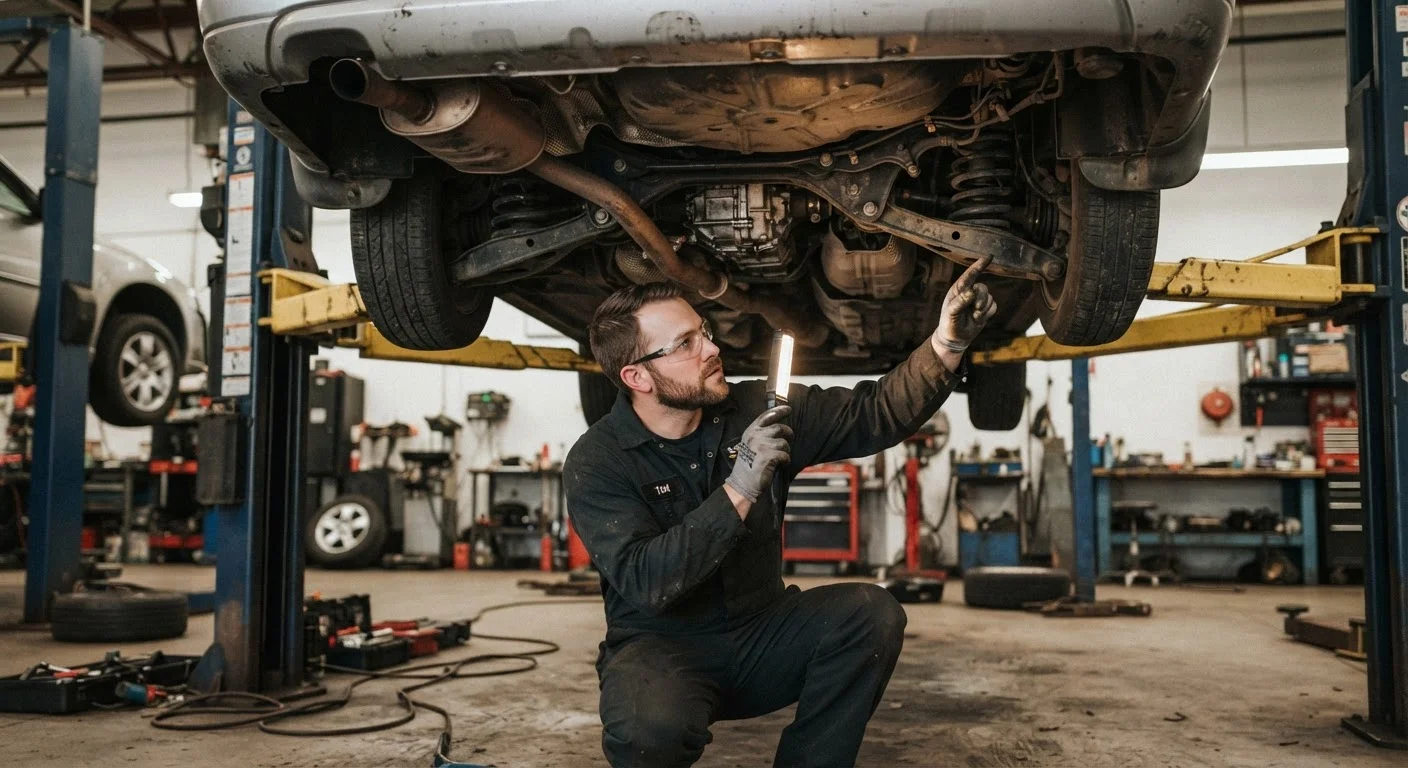
Many auctions allow only a brief visual walkthrough - no test drive, no lift inspection, and no independent mechanic. Mechanical problems that are invisible to the eye remain your problem after purchase.
Vehicles sold strictly as-is
There is no return policy, warranty, or recourse if the car develops a fault after you drive it off the lot. Any misrepresentation claims are difficult and often expensive to pursue.
Buyer's premiums add to the final cost
The auction house's fee, calculated as a percentage of the hammer price, can meaningfully reduce or eliminate the price advantage over a conventional purchase.
Competitive bidding can drive prices above value
Auction psychology - momentum, competition, and time pressure - can push bidders past their rational limit. Without a strict maximum set in advance, overpaying is a common outcome.
Financing must be arranged beforehand
Most auctions require full payment within 24-48 hours and do not facilitate on-site financing. Buyers without pre-approved loans or available cash cannot participate effectively.
Title and legal complications can surface
Some auction vehicles carry liens, salvage titles, or unresolved ownership disputes. Verifying title status before bidding is essential - and not all auctions make this easy.
Salvage and Rebuilt Titles: Know Before You Bid
Some auction vehicles carry salvage or rebuilt titles, indicating they were previously declared a total loss by an insurer. These vehicles can be significantly cheaper, but they also face restrictions on financing, insurance, and resale. In some states, rebuilt-title vehicles must pass a state inspection before they can be legally registered. Always check the title status before bidding - it affects both the vehicle's drivability and its long-term value.
Financing is another friction point. Most auctions require payment in full within one to two business days. Unless you arrive with cash or a pre-approved loan, you risk losing your deposit or the vehicle. Dealership financing arranged on the spot is generally not an option here.
Costs Beyond the Hammer Price
The winning bid is rarely the total cost. Buyers should budget for several additional line items:
- Buyer's premium: A percentage fee - commonly 5-10% of the hammer price - added by the auction house on top of your bid.
- Documentation and title fees: Administrative charges for transferring the title, which vary by state and auction operator.
- Transportation: If you win a vehicle at an online or remote auction, shipping or towing costs can run several hundred dollars.
- Immediate repairs: Vehicles sold as-is may need work before they're roadworthy. Factor in a realistic repair buffer.
Adding these up against a private-sale or dealership price often narrows the apparent saving significantly. For a fuller picture of how to evaluate what you're actually paying, our vehicle pricing myths article breaks down common assumptions that cost buyers money.
How to Prepare Effectively
Preparation is the clearest dividing line between buyers who walk away satisfied and those who don't. Before auction day:
- Run a vehicle history report (using the VIN if available) to flag title issues, odometer discrepancies, or reported accidents.
- Research market values for the specific year, make, model, and mileage using multiple reference points.
- Set a firm maximum bid that includes your estimated buyer's premium and a repair buffer - and commit to it before the excitement of bidding begins.
- If the auction permits a pre-sale inspection window, use it. Bring a mechanic or use a checklist aligned with what a thorough pre-purchase inspection covers.
- Confirm payment terms, accepted methods, and pickup deadlines with the auction house in advance.
If you're considering selling rather than buying, selling your car without getting shortchanged covers how to evaluate whether an auction is a smart exit route for your vehicle too.