
What Each One Actually Does
The terms are often used interchangeably in casual conversation, but they represent fundamentally different approaches to travel health protection.
Travel vaccinations introduce a harmless version of a pathogen - or a component of one - to stimulate your immune system to produce antibodies. If you later encounter the actual disease, your body is prepared to fight it off. Vaccines are preventive by design and offer no benefit once an infection has already taken hold. Common examples include hepatitis A, hepatoid, typhoid, rabies (pre-exposure), Japanese encephalitis, and yellow fever.
Travel medications are pharmaceutical drugs taken before, during, or after potential exposure to a health threat. They don't train your immune system - they either suppress the pathogen directly, block its life cycle, or treat symptoms after infection. Antimalarial drugs such as atovaquone-proguanil or doxycycline (the specific drug appropriate for a traveler depends on destination and individual health factors - always consult a clinician) are the most well-known example. Others include altitude sickness medications, motion sickness treatments, and standby antibiotics for traveler's diarrhea.
Understanding this distinction helps travelers recognize that the two categories are often complementary, not interchangeable. Your pre-trip health plan may well require both.
| Criterion | Travel Vaccinations | Travel Medications |
|---|---|---|
| Mechanism | Stimulates immune system response | Suppresses pathogen or treats symptoms |
| Timing relative to travel | Weeks to months before departure | Days before to during/after travel |
| Duration of protection | Years to lifetime (varies by vaccine) | Only while taking the medication |
| Examples | Hepatitis A, typhoid, yellow fever | Antimalarials, altitude medication |
| Entry requirement possible | Yes (e.g., yellow fever certificate) | No |
| Usable after exposure | No (preventive only) | Sometimes (standby treatments) |
| Requires clinician consult | Yes | Yes |
When Timing and Legal Requirements Change Everything
One of the most consequential differences between vaccines and travel medications is their lead time. Several vaccines - particularly rabies pre-exposure prophylaxis and the full hepatitis B series - require multiple doses spread over weeks or even months. Even a single-dose vaccine like yellow fever is recommended at least ten days before travel to ensure it has time to become effective.
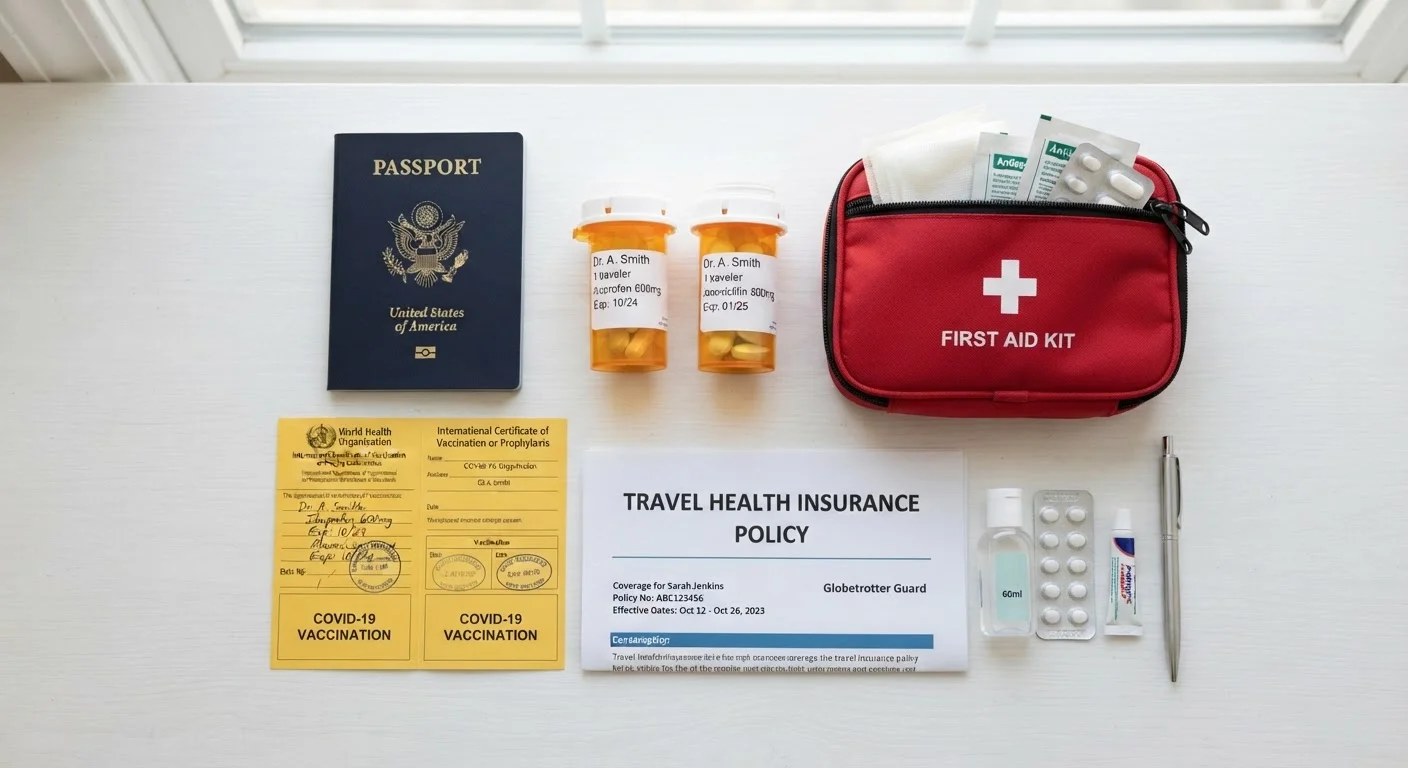
Yellow fever also carries a legal dimension that no medication does: many countries in sub-Saharan Africa and South America require proof of vaccination via an official International Certificate of Vaccination or Prophylaxis (ICVP), sometimes called the "yellow card." Arriving without it can result in denial of entry or mandatory vaccination at the border under uncertain conditions.
No Vaccine Covers Everything
Even with a full complement of travel vaccines, gaps in protection remain. Malaria, dengue fever (for most travelers), and traveler's diarrhea are examples where vaccines either don't exist or aren't widely available for general travelers. Medications and behavioral precautions - such as insect repellent use, safe food and water practices, and bite avoidance - fill those gaps. A travel medicine specialist can map out which threats at your specific destination require which response.
Travel medications generally have a shorter setup window. Most antimalarials are started one to two days to one week before entering a malaria zone, depending on the drug. Altitude medication may be started the day before ascent. That said, a shorter lead time is not an excuse to skip the clinician visit - drug interactions, contraindications, and destination-specific resistance patterns all require professional review.
For a structured approach to sequencing these steps, see our pre-trip health prep checklist which walks through vaccinations, prescriptions, and documentation in order.
Practical Considerations: Cost, Access, and Documentation
Neither vaccines nor travel medications are universally covered by health insurance in the US. Travel vaccinations obtained specifically for international travel are frequently excluded from standard health plan coverage, though some plans do cover routine immunizations that also happen to be travel-relevant (such as hepatitis A). Travel medications are similarly variable - antimalarials, for instance, are often not covered.
This makes cost a real planning factor. A travel health clinic visit plus recommended vaccines can run into several hundred dollars depending on destination and what's needed. Medications add to that total. Factoring these expenses into your overall trip budget - alongside considering whether your travel insurance policy has any medical coverage provisions - is a practical step. Our overview of what travel insurance actually covers explains where medical coverage fits into most policies.
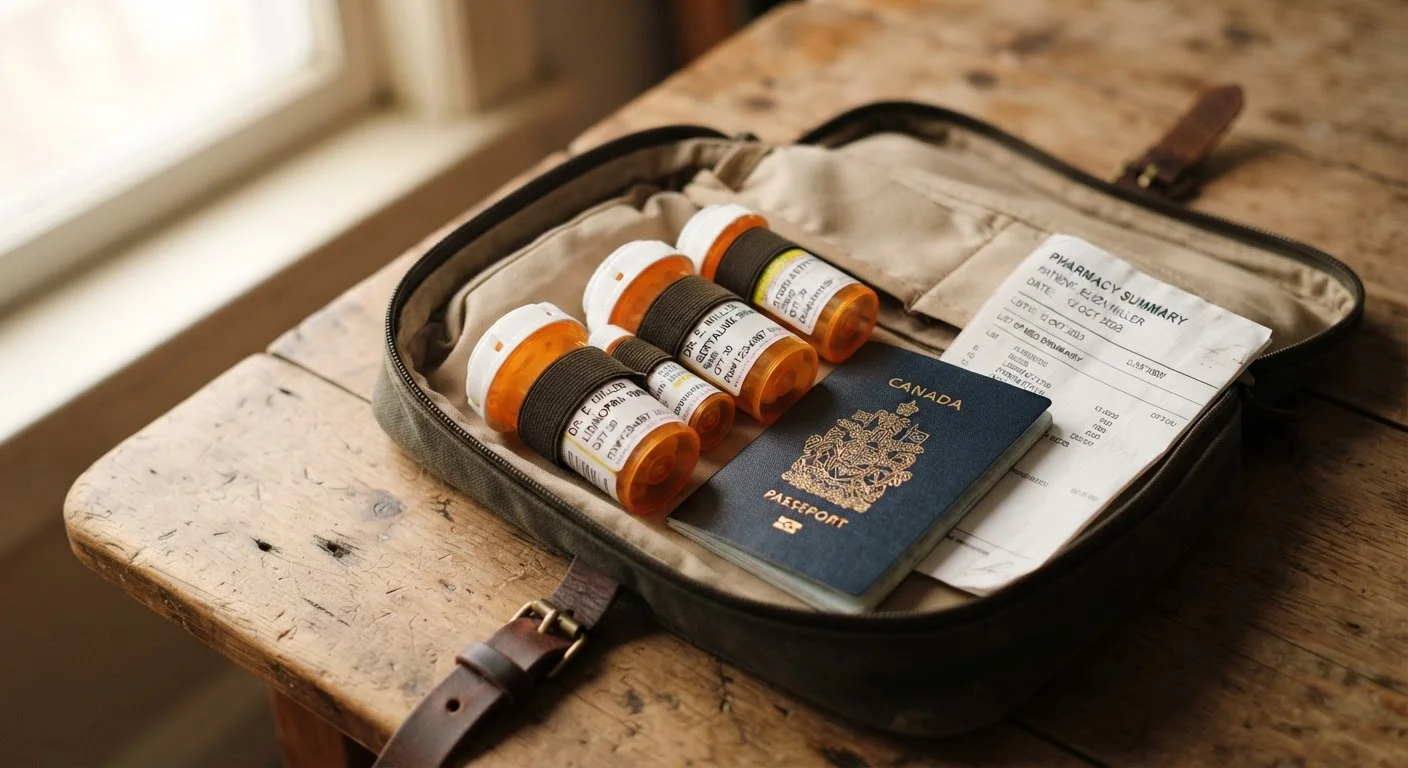
Documentation is another area where the two differ. Vaccines generate a lasting record - your ICVP for yellow fever, your personal immunization record for others - that may be checked at borders or required for future travel. Medications don't create a travel record, but if you're carrying prescription drugs across borders, separate documentation requirements apply. Regulations on carrying controlled or restricted medications internationally vary by country and can be stricter than many travelers expect. See our guide on traveling with prescription medication for details on what to verify before you pack.
This article is for general informational purposes only and is not medical advice. Consult a qualified healthcare professional or travel medicine specialist before making any decisions about vaccinations, medications, or your personal health preparation for travel.