
Why Risk Awareness Is a Planning Skill, Not a Reason to Stay Home
Natural disaster risk is part of every trip - the question is whether you've accounted for it. Travelers who skip this step don't avoid risk; they just encounter it unprepared. The goal of factoring in hazard exposure is to make smarter decisions about timing, coverage, and contingencies - not to cross destinations off your list.
Most risk is manageable with the right information. A coastal destination that sees significant hurricane activity in September may be perfectly calm and affordable in April. A country in a seismic zone may have robust emergency infrastructure that makes it no more dangerous day-to-day than many low-risk alternatives. Understanding the nature and timing of a hazard is what separates informed travelers from anxious ones.
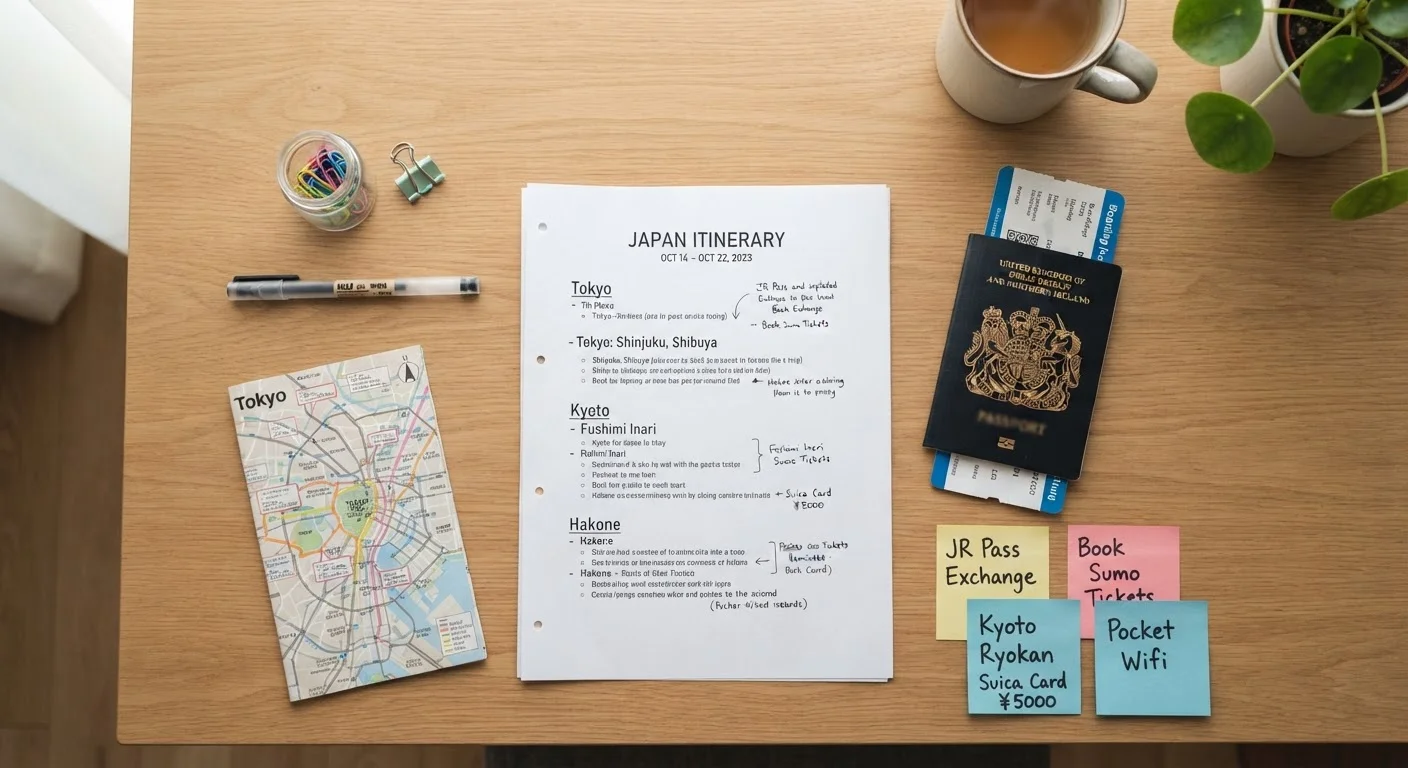
This is a core component of building a solid travel itinerary - safety and contingency planning belong alongside your hotel confirmations and transportation logistics, not as an afterthought.
70%
of natural disasters are weather-related
According to the World Meteorological Organization, weather, climate, and water hazards account for approximately 70% of all natural disasters globally over recent decades.
June-Nov
Atlantic hurricane season window
NOAA designates June 1 through November 30 as the official Atlantic hurricane season, with the statistical peak occurring between mid-August and mid-October.
40+
countries in the Pacific Ring of Fire
The U.S. Geological Survey identifies over 40 countries within or bordering the Ring of Fire, which accounts for a large share of the world's seismic and volcanic activity.
Matching Destination Hazards to Seasonal Windows
Different regions face different categories of natural hazard, and most follow predictable seasonal patterns. Understanding these windows lets you book confidently - or adjust your dates to sidestep peak risk periods.
- Hurricanes and tropical cyclones: The Atlantic and Eastern Pacific hurricane seasons run roughly June through November, with the highest activity typically in late summer. The Caribbean, Gulf states, and parts of Central America carry the most exposure during this window.
- Earthquake risk: Unlike seasonal hazards, seismic activity doesn't follow a calendar. The Pacific Ring of Fire - which includes Japan, coastal South America, Indonesia, and the U.S. West Coast - carries persistent elevated earthquake risk. Infrastructure quality and local preparedness protocols matter more here than timing.
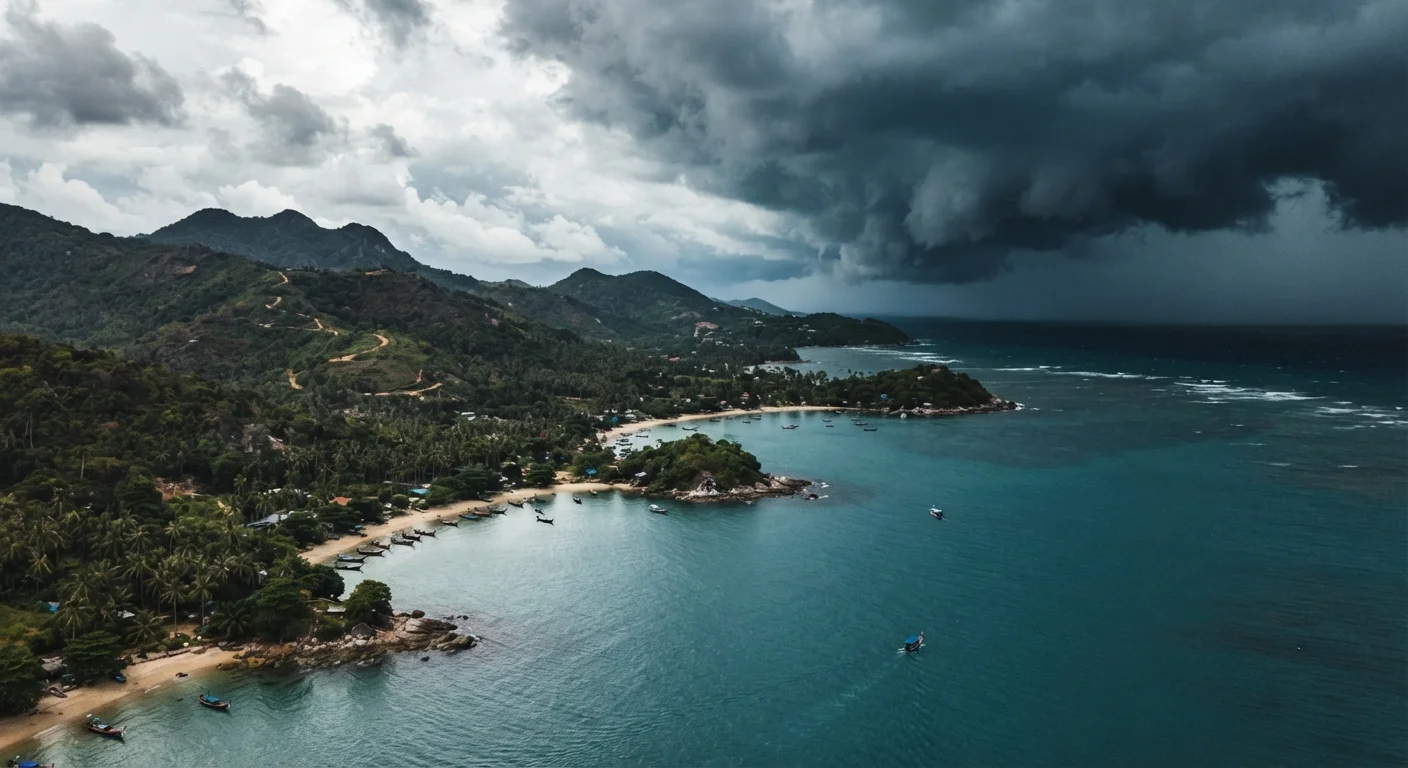
- Monsoons and flooding: South and Southeast Asia experience monsoon seasons that bring significant flood risk, typically between May and October depending on sub-region. Certain African and South American destinations have their own rainy-season flood patterns.
- Wildfires: Hot, dry summer conditions drive wildfire risk across parts of Southern Europe, Australia, and the western United States, generally peaking between late spring and early fall.
Mapping these windows against your travel dates is the first practical step in a hazard-aware planning process.
How to Research Destination Risk Before You Book
Reliable, free resources exist specifically to help travelers assess destination risk - the challenge is knowing where to look and how to interpret what you find.
U.S. State Department Travel Advisories (travel.state.gov) provide country-level safety ratings on a four-tier scale, with narrative detail on specific hazards, regional variations, and health considerations. These are updated as conditions change and should be your first stop for international travel.
NOAA and FEMA resources are more relevant for domestic travel and provide detailed, data-driven hazard mapping for the United States - useful if you're planning travel to coastal, wildfire-prone, or flood-susceptible areas within the country.
Destination tourism and emergency management agencies often publish hazard season guides and local emergency protocol information. While not a neutral source, they provide context on infrastructure and historical frequency.
Check advisories at three points: during destination selection, 30 days before departure, and 72 hours before you leave. Conditions evolve, and what was low-risk when you booked may have shifted by the time you depart. Be aware that common travel safety assumptions can give travelers a false sense of security - verify rather than assume.
Advisory Levels Don't Tell the Whole Story
A country-level travel advisory reflects an overall assessment but may not capture sub-regional differences. A country rated Level 2 (Exercise Increased Caution) may have specific provinces or coastal zones facing significantly higher hazard exposure than the capital or tourist corridors. Always read the full advisory narrative, not just the headline rating, and look for region-specific notes.
Insurance and Contingency Planning as Non-Negotiable Tools
Understanding disaster risk is only useful if your planning reflects it. Two tools do the most work here: travel insurance and a documented emergency plan.
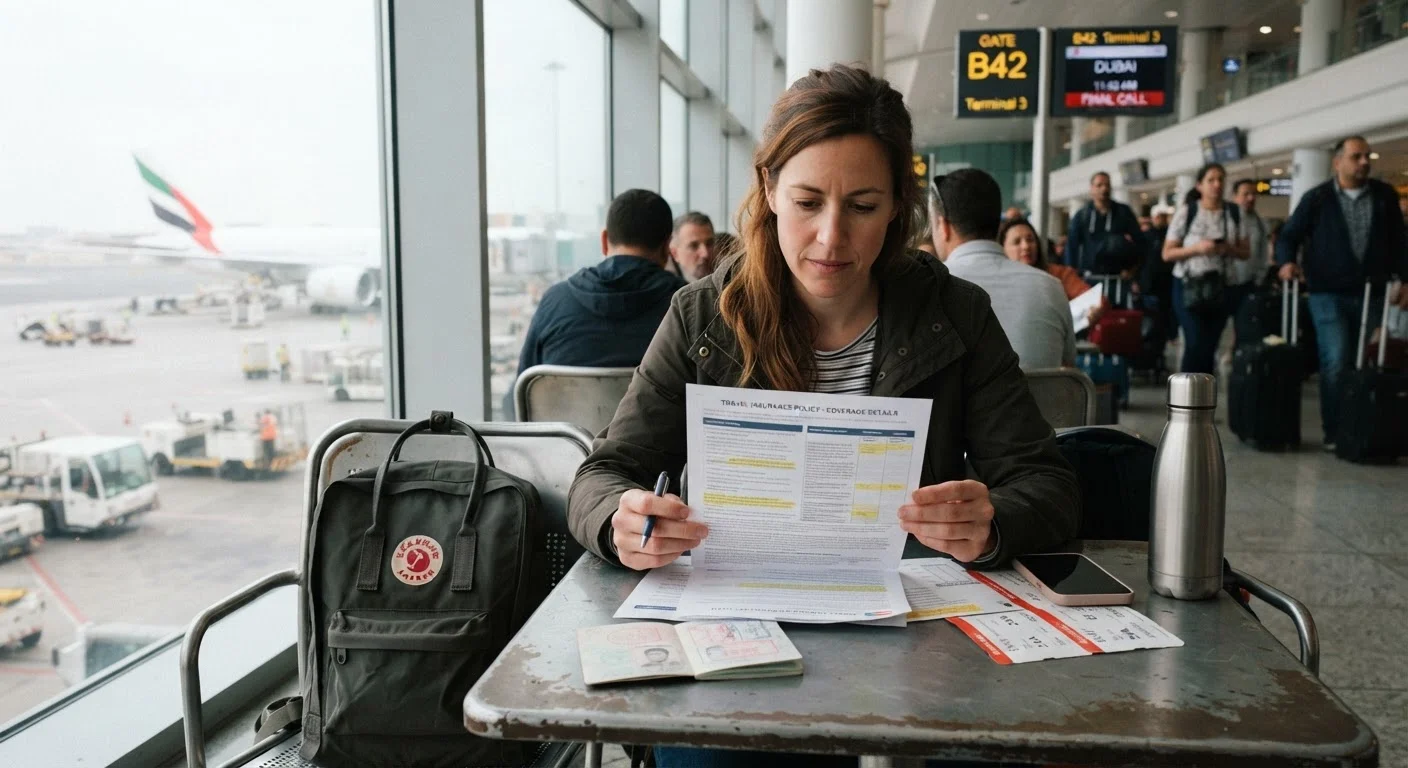
Travel insurance becomes materially more important when you're traveling to a higher-risk destination or during a hazard season. Policies vary significantly in what natural disaster scenarios they cover - trip cancellation, evacuation, and delay benefits are the most relevant. Critically, most policies exclude events that were publicly declared before your purchase date, which is why purchasing coverage early matters. Our travel insurance coverage guide walks through what to actually look for in a policy.
An emergency plan should be documented before you leave - not improvised in the moment. This includes knowing local emergency numbers, your country's embassy contact, evacuation routes from your accommodation, and who at home has copies of your key documents. The framework for building a travel emergency plan covers exactly how to structure this preparation.
You can also fold contingency logistics into your itinerary before departure. Our piece on contingency planning for travelers provides a practical pre-trip checklist for delays, disruptions, and emergencies of all kinds.
This article provides general travel planning information. Always verify travel advisories, entry requirements, and safety conditions with official government sources before traveling. This content does not constitute legal, insurance, or emergency management advice.