
The Core Distinction: What Makes Debt Secured or Unsecured
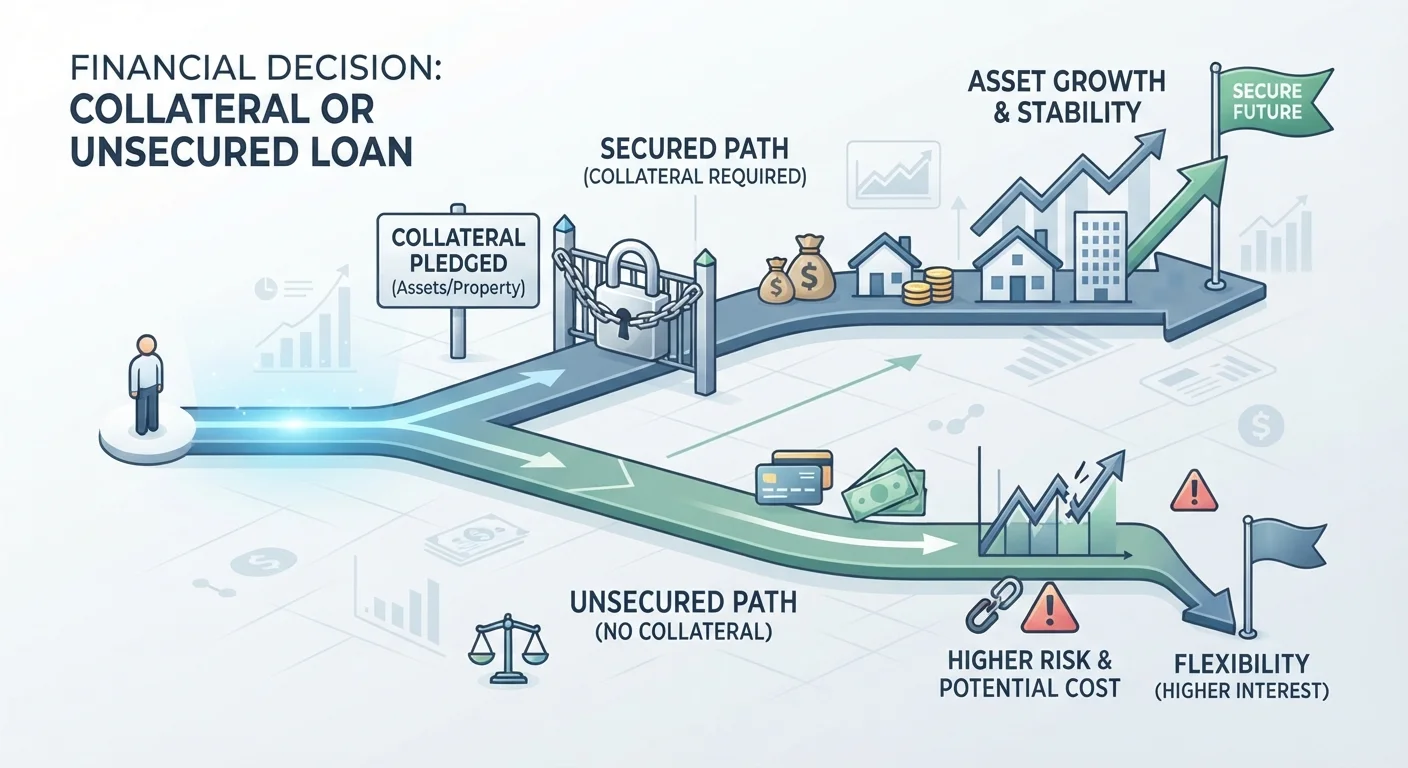
At its most basic level, the difference between secured and unsecured debt comes down to one question: is there an asset backing the loan?
With secured debt, the borrower pledges a specific asset - known as collateral - as a guarantee to the lender. If the borrower stops making payments, the lender has a legal right to seize that asset to recover what they're owed. A mortgage is the most familiar example: the home itself serves as collateral. Auto loans work the same way. If you default, the lender can foreclose or repossess.
With unsecured debt, no specific asset is tied to the loan. The lender extends credit based primarily on the borrower's creditworthiness - their credit score, income, and repayment history. Credit cards, personal loans, medical bills, and student loans (in most cases) fall into this category. There's nothing for the lender to directly seize if you stop paying, though they retain other legal remedies.
This structural difference shapes interest rates, approval criteria, borrowing limits, and the consequences of default. Understanding it is foundational to smarter debt management. For a broader introduction, see our complete guide to navigating debt.
| Criterion | Secured Debt | Unsecured Debt |
|---|---|---|
| Collateral required | Yes - specific asset pledged | No - credit-based only |
| Typical interest rates | Generally lower | Generally higher |
| Common examples | Mortgage, auto loan | Credit card, personal loan |
| Default consequence | Asset repossession or foreclosure | Collections, potential judgment |
| Borrowing limits | Typically higher | Typically lower |
| Credit impact of default | Significant negative impact | Significant negative impact |
| Lender risk level | Lower - collateral protects lender | Higher - no asset to recover |
Risk and Consequences: What's Actually at Stake
The risk profile of each debt type differs sharply - for both borrower and lender.
Because secured debt is backed by collateral, lenders accept less financial risk. That reduced risk is typically passed along to borrowers in the form of lower interest rates and higher borrowing limits. However, the borrower takes on a specific, tangible risk: losing the pledged asset. A foreclosure or repossession happens faster than many people expect, and the process is legally well-defined.
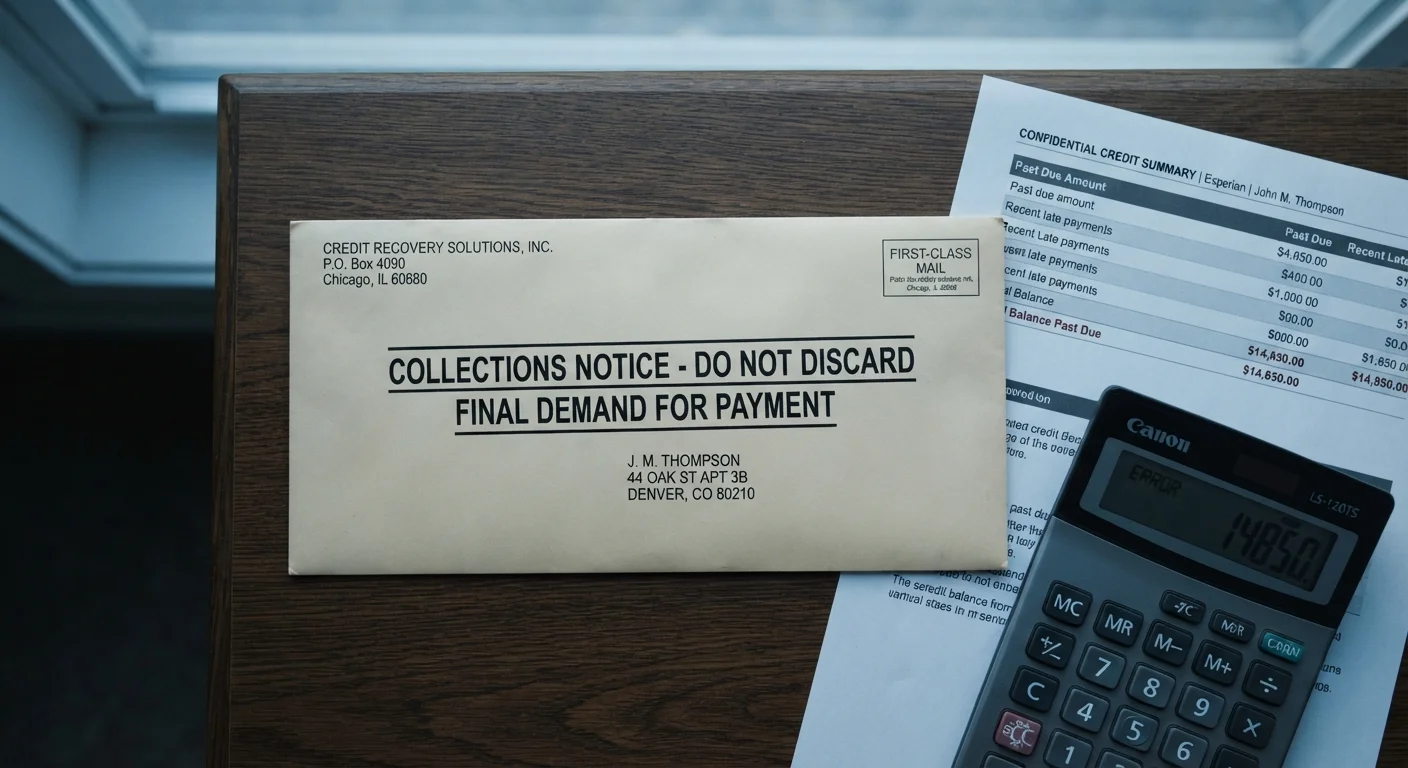
Unsecured debt shifts more risk onto the lender, who has limited recourse if the borrower defaults. In practice, lenders compensate for this through higher interest rates and stricter credit requirements. When an unsecured debt goes unpaid, lenders typically move it to collections or pursue a court judgment - a process that can eventually lead to wage garnishment in many states, though this takes time and legal steps. To understand what happens when debt reaches that stage, learn what debt in collections actually means for your finances.
One important nuance: defaulting on any debt - secured or unsecured - will damage your credit score. The difference lies in the immediacy and nature of the consequences, not whether consequences exist at all.
~70%
US household debt that is mortgage-backed
According to Federal Reserve data, mortgage debt consistently represents the largest share of total US household debt, illustrating how prevalent secured borrowing is.
~20%
Average credit card APR in recent years
The Federal Reserve tracks average credit card interest rates, which have risen considerably - highlighting the cost premium of unsecured revolving debt.
30-90 days
Typical delinquency window before serious action
Lenders generally begin formal default procedures after 30-90 days of missed payments, though timelines vary by debt type, lender, and state law.
Repayment Strategy: Does the Debt Type Change Your Priorities?
When managing multiple debts, knowing which type you're dealing with should inform your repayment approach.
Secured debts on essential assets - a mortgage, a car you rely on for work - generally warrant priority attention during financial hardship. The consequence of missing payments is concrete and swift: you can lose the asset. Falling behind on an unsecured credit card is serious, but it plays out more slowly and without direct asset loss.
That said, prioritizing secured debts doesn't mean ignoring unsecured ones. High-interest unsecured debts, like credit card balances, can compound rapidly and create significant long-term financial drag. The decision about where to direct limited repayment dollars requires weighing interest rates, consequences, and timelines simultaneously. Managing multiple debts explores frameworks for exactly this kind of decision-making.
It's also worth considering whether consolidation makes sense for your unsecured debts. Combining multiple high-rate unsecured balances into a single loan can simplify repayment and potentially reduce interest costs - though trade-offs exist. Review the trade-offs of debt consolidation before committing to that path.
And if you're weighing whether to aggressively pay down debt versus building savings first, the type of debt matters there too. Saving vs. paying off debt covers that specific tension in more depth.
This article is for general informational and educational purposes only and does not constitute personalized financial, legal, or tax advice. Consult a qualified financial professional for guidance specific to your situation.