
The Real Reason Tidy Homes Don't Stay Tidy
Most people approach home organization as an event - a productive Saturday where everything gets sorted, labeled, and put away. The result looks great. But within weeks, surfaces fill back up, drawers become impossible to close, and the familiar creep of clutter returns. This isn't a failure of effort. It's a failure of system design.
Organized spaces drift back into chaos for predictable, structural reasons. Understanding those patterns is the first step toward building an approach that holds. The organizing philosophy you choose matters less than whether it fits naturally into your household's daily rhythms.
Organizing without decluttering first.
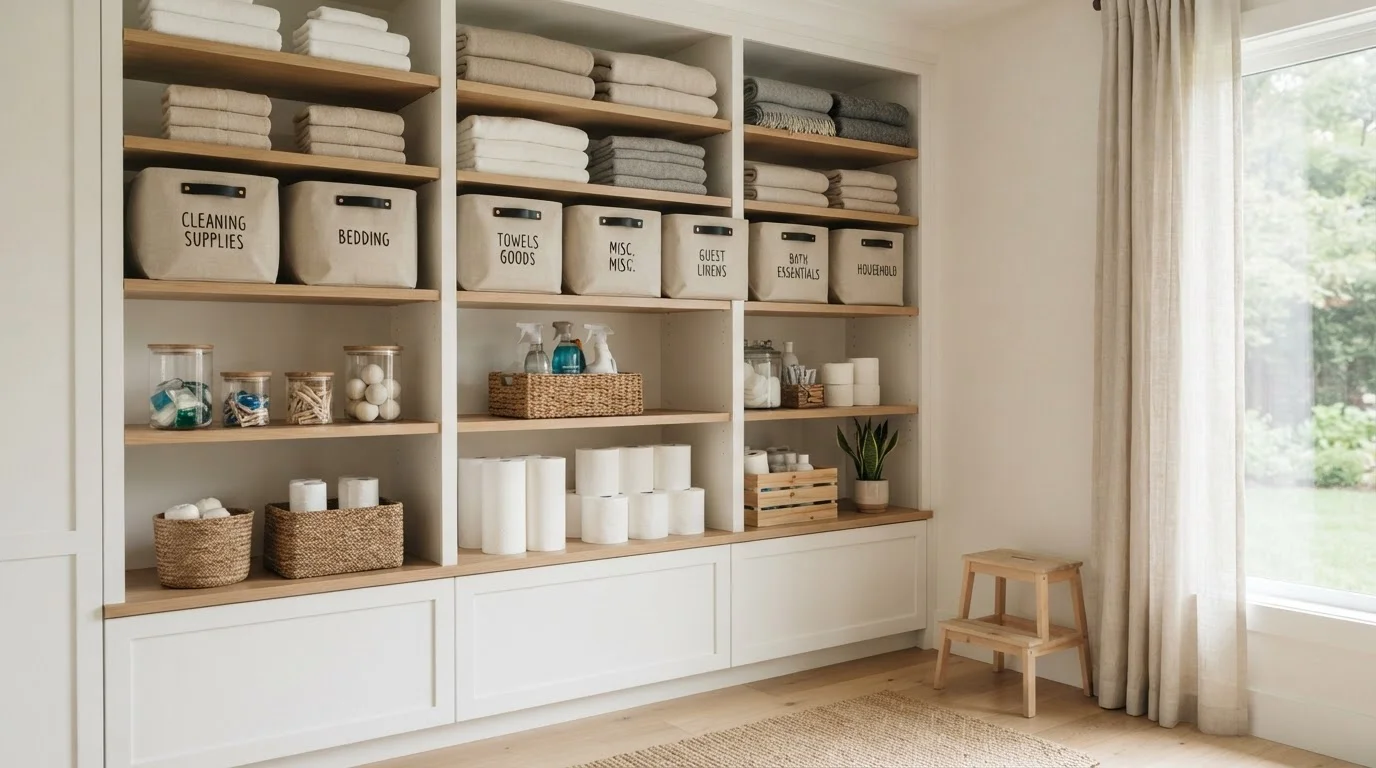
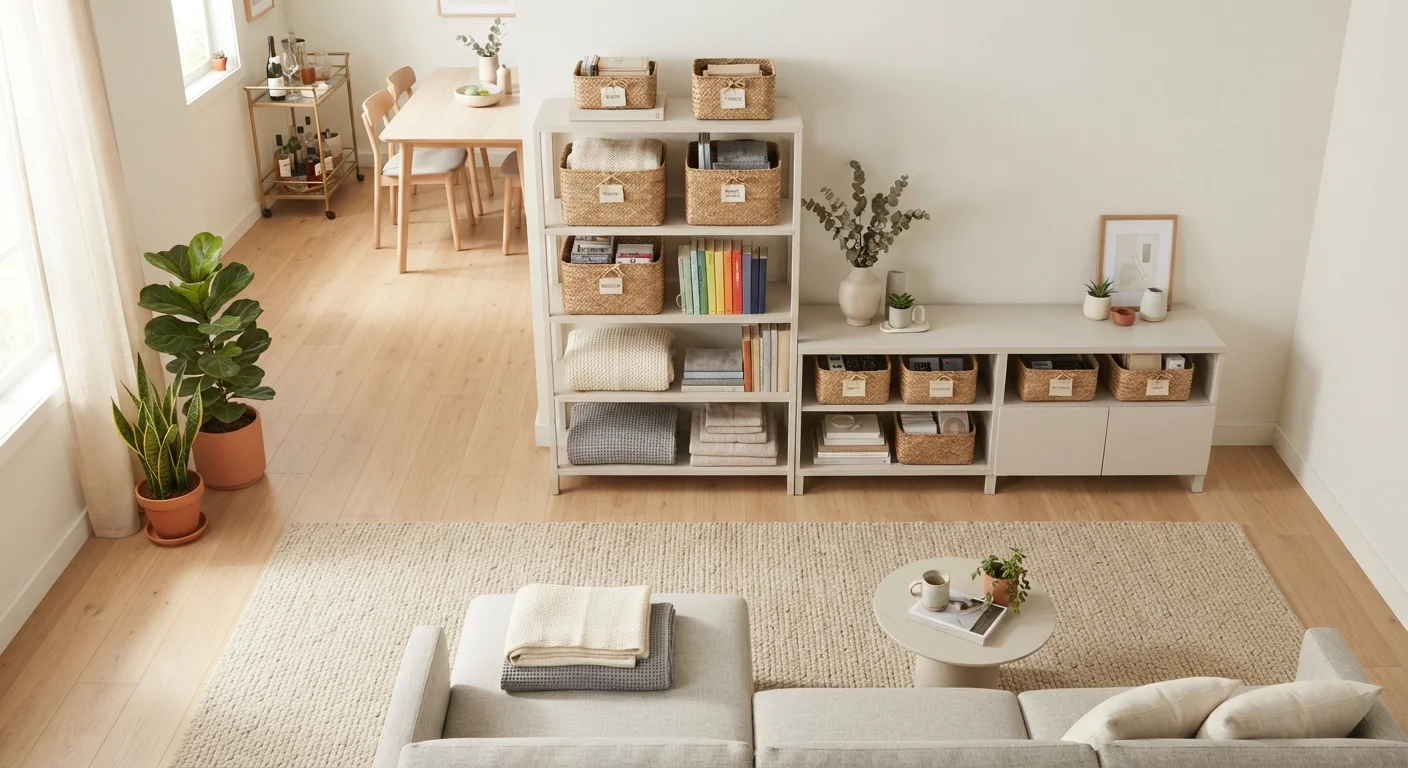
Why it happens: It feels faster to sort and containerize existing items rather than make hard decisions about what to remove. Bins and baskets create an illusion of order while the underlying excess remains.
Creating systems that are too complicated to maintain daily.
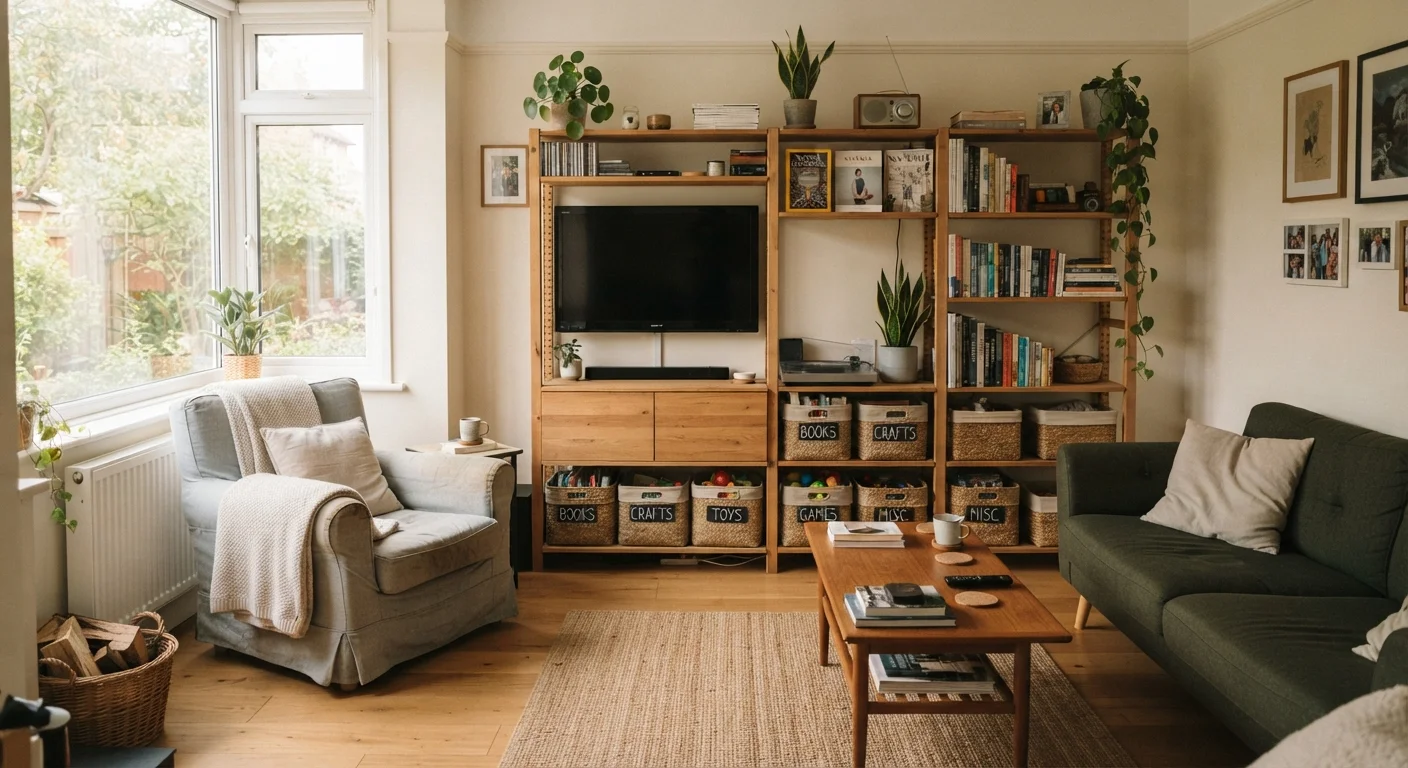
Why it happens: During an organization session, people are motivated and detail-oriented. They build elaborate systems - sub-categorized, color-coded, multi-step - that aren't realistic when life is moving at full speed.
Skipping a daily reset routine.
Why it happens: People expect the organized state to be self-sustaining after the initial work. Without a maintenance habit, small disorder compounds until a full re-organization is needed again.
Ignoring how household members actually behave.
Why it happens: Organization systems are often designed around an idealized version of daily life rather than observed patterns. If the designated spot for keys is inconvenient, keys will always end up on the counter instead.
Treating the garage and storage areas as overflow zones.
Why it happens: Out-of-sight spaces absorb displaced items from the rest of the house, making main living areas look organized while clutter simply migrates. Over time, these areas become so full they stop functioning as usable storage.
Building Systems That Don't Require Willpower
Sustainable organization isn't about discipline - it's about friction. When putting something away takes fewer steps than leaving it out, tidiness becomes the path of least resistance. The goal is to design your space so that the easy choice and the right choice are the same thing.
25%
of two-car garages can't fit any cars
According to U.S. Department of Energy research, roughly one in four two-car garages is too full to house a single vehicle - a sign of how quickly overflow storage fills available space.
~40%
of housework time spent looking for misplaced items
Research from the National Association of Professional Organizers has suggested that a significant portion of household time goes toward locating misplaced belongings rather than productive tasks.
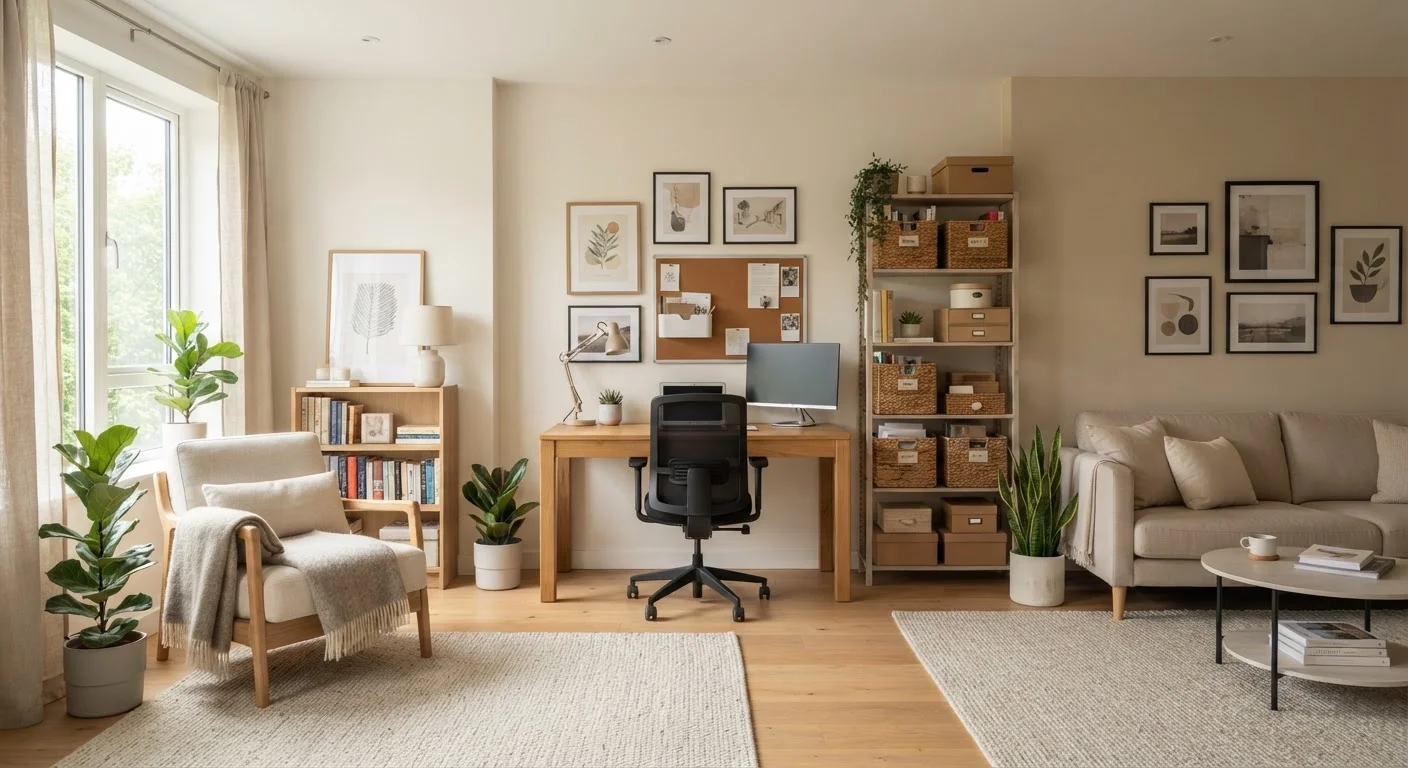
Start with dedicated zones for every category of item. When objects have a fixed, logical home, returning them there requires no decision-making. Decision fatigue is one of the quieter drivers of clutter - if you have to think about where something goes, you're more likely to set it down instead.
A room-by-room organization audit can reveal where your current systems are breaking down and which areas need redesigned storage rather than simply more tidying. Pay particular attention to high-traffic surfaces like kitchen counters, entryways, and coffee tables - these act as default dumping zones precisely because no intentional system exists for them.
Buying Storage Before Decluttering Backfires
Purchasing bins, baskets, and shelving systems before removing excess items is one of the most common - and costly - organization mistakes. You end up with containers filled with things you don't actually need, and the underlying volume problem remains unsolved. Assess and reduce first; then identify what storage, if any, you still need.
Finally, managing inflow matters as much as managing what's already there. The one-in-one-out principle is one practical tool for keeping volume in check. Even imperfectly applied, the habit of questioning new additions before they enter your home reduces the frequency and scale of future reorganization sessions.