

What Owning Too Much Actually Costs You
Clutter is rarely just an aesthetic issue. When a household accumulates more possessions than it can meaningfully manage, the overflow shows up in the budget, on the calendar, and in daily mental load.
The most direct financial hit comes from duplicate purchases. When items can't be found, households buy replacements - batteries, scissors, chargers, pantry staples - that already exist somewhere in the home. Over months and years, these small purchases compound into a significant drain.
Storage costs add up quickly as well. Off-site storage unit rentals represent a recurring expense that many households maintain indefinitely to house items they rarely or never use. Even within the home, dedicating square footage to excess possessions has an implicit cost: that space could serve a more productive function.
1 in 10
US households renting off-site storage
According to the Self Storage Association, roughly one in ten American households rents a self-storage unit, with many citing home overflow as the primary reason.
~$10/hr
Estimated weekly time lost to disorganization
Organizational researchers have estimated that the average person loses roughly an hour per week searching for misplaced items at home and work combined.
Time is another currency clutter spends freely. Searching for misplaced items, cleaning around accumulated objects, and managing the ongoing low-level decisions about where things belong all subtract from available hours. These aren't dramatic losses - they're the kind of slow leaks that are hard to notice until you're already running empty.
If you're mapping these patterns room by room, the room-by-room home organization guide offers a practical starting framework.
The Pros of Owning Less
Reducing possessions to a manageable, intentional inventory delivers benefits that go well beyond a tidier appearance.
Reduced financial drain from duplicate purchases
When possessions are organized and visible, households are less likely to re-buy items they already own, eliminating a common but invisible budget leak.
Lower storage and housing overhead
Eliminating items that required off-site storage or dedicated home square footage can reduce or eliminate recurring costs and free functional space.
Less time spent searching and managing
A streamlined home reduces the daily friction of locating items, cleaning around clutter, and making low-stakes decisions about placement.
Measurable reduction in ambient stress
Research in environmental psychology suggests that visually complex, cluttered environments are associated with elevated cortisol levels and reduced ability to focus.
Easier maintenance and cleaning routines
Fewer objects means fewer surfaces to dust, fewer items to move, and quicker resets - making regular upkeep genuinely sustainable.
Many people also report that decluttering shifts their relationship with future purchases. When you've experienced the process of removing things you once bought impulsively, you tend to slow down before adding new items - a habit shift that reinforces itself over time.
The Cons: What Decluttering Actually Demands
Honest accounting means acknowledging the costs of the decluttering process itself - not just the benefits.
Decluttering demands significant upfront time
A thorough whole-home declutter can take days or weeks of sustained effort, a real cost for busy households that shouldn't be underestimated at the outset.
Emotional difficulty with sentimental items
Deciding what to do with inherited items, childhood possessions, or gifts tied to relationships can be genuinely hard and emotionally taxing, not just logistically inconvenient.
Responsible disposal takes effort and cost
Donating, selling, recycling, or hauling away large volumes of items requires coordination - and in some cases, fees for junk removal or disposal services.
Risk of discarding items later needed
Aggressive purging without sufficient reflection can result in removing things that turn out to be genuinely useful, requiring repurchase at greater cost than keeping them.
Results can reverse without habit changes
Without addressing the acquisition habits that created clutter in the first place, a decluttered home tends to return to its previous state within months.
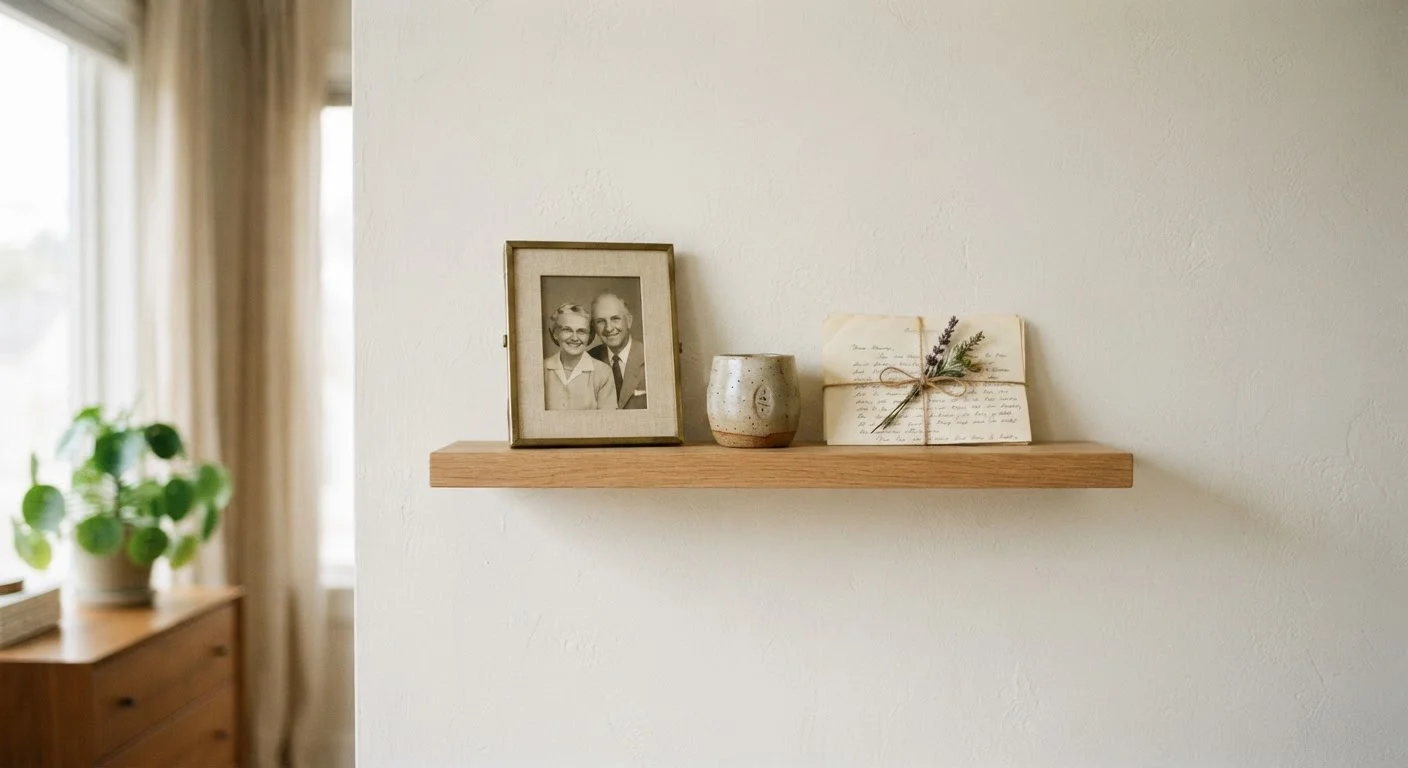
Sentimental items present a particular challenge. Objects tied to memories or relationships don't yield to simple logic, and forcing a quick decision can lead to regret. The guide to sentimental clutter explores practical frameworks for navigating these harder calls without guilt.
Decluttering Isn't Always Free
Hauling away bulky items, renting a dumpster, or paying for junk removal services can add real cost to the decluttering process. Factor these expenses into your planning, especially for garage cleanouts or estate-scale projects. Some municipalities offer periodic bulk pickup or drop-off events that reduce these costs - check local government websites for availability.
It's also worth noting that decluttering without addressing the habits that caused accumulation tends to be temporary. The cycle of organized homes drifting back into chaos is well-documented - and worth understanding before investing heavily in a one-time purge.
Building Systems That Prevent Clutter from Rebuilding
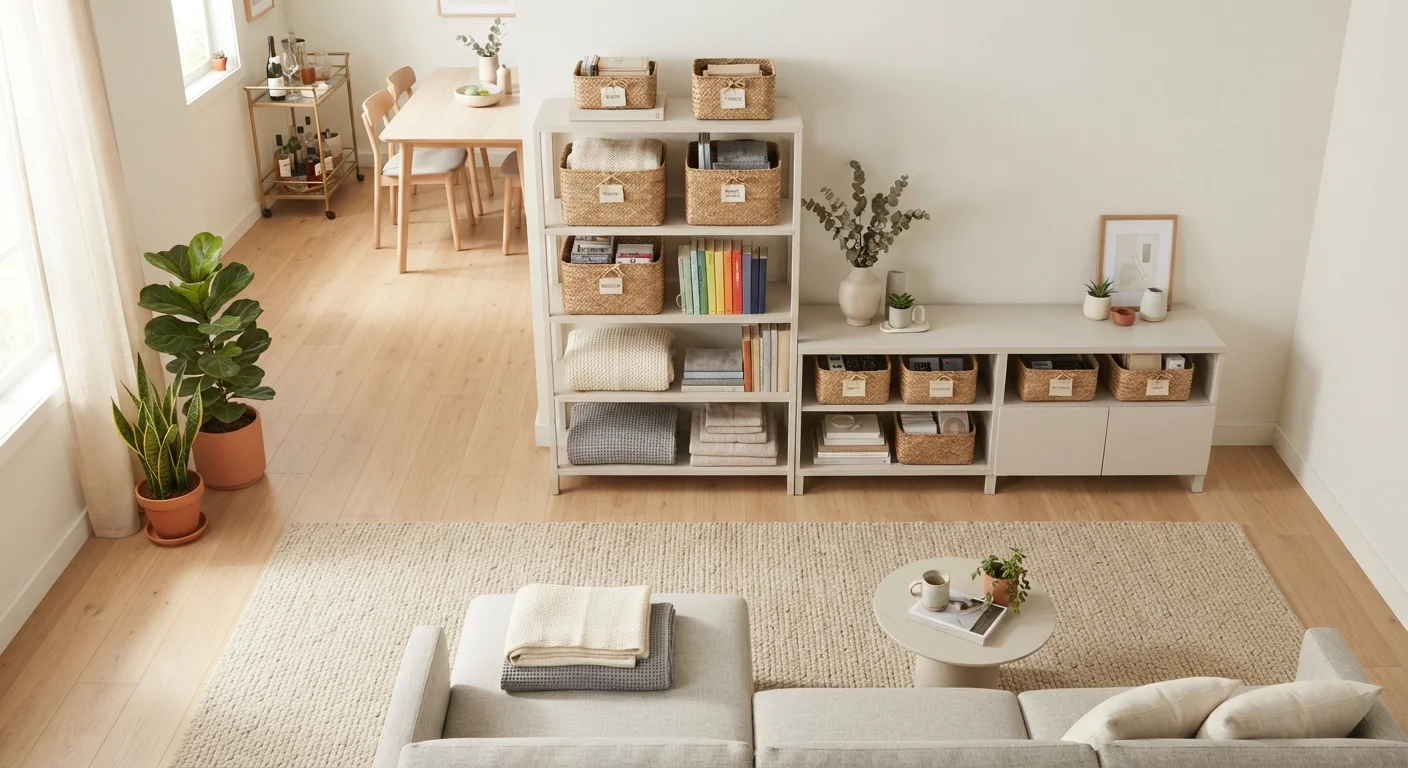
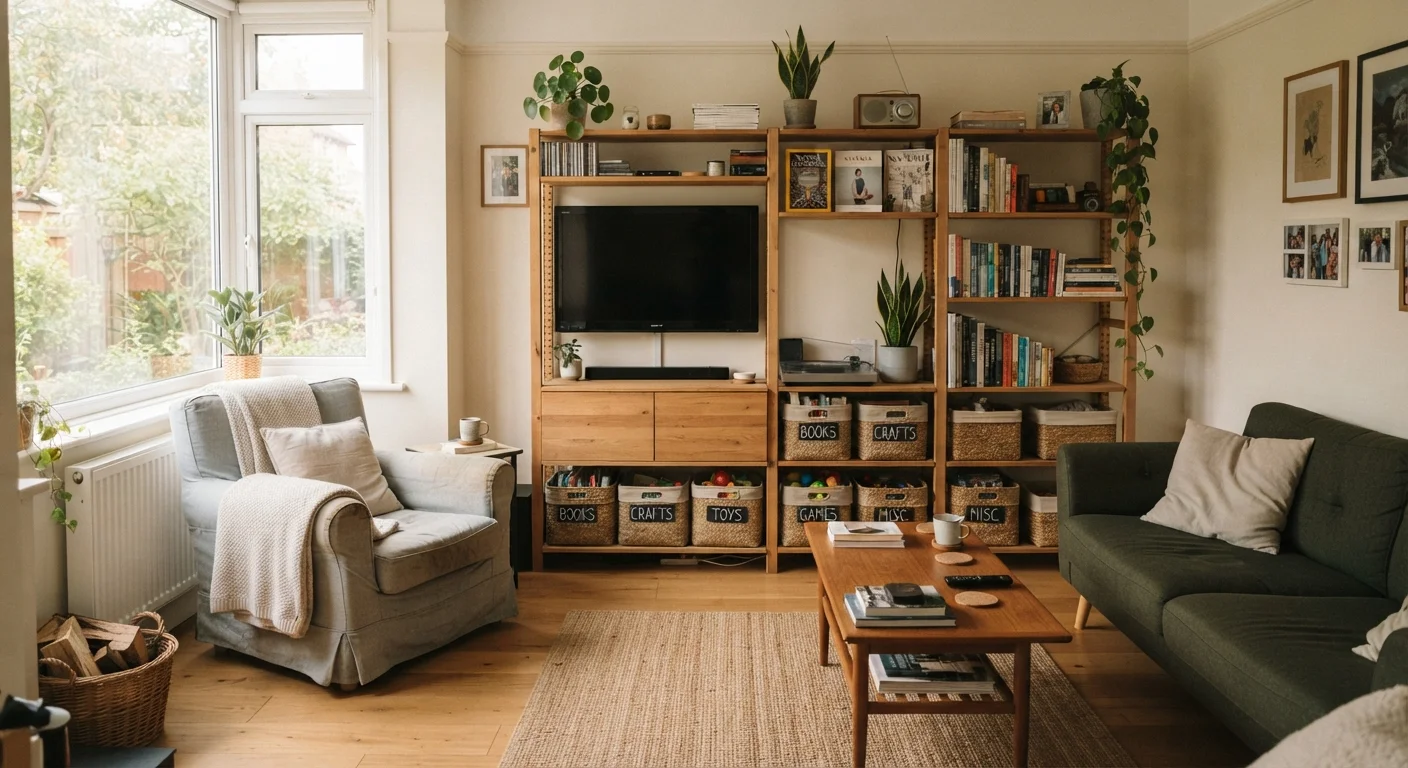
The most durable solution isn't a single decluttering session - it's a home organization system that makes accumulation harder and maintenance easier. Different households respond to different approaches; some benefit from category-based methods, others from container limits or intake protocols.
The overview of organizing approaches breaks down popular frameworks - including KonMari, FIFO, and the Container Method - so you can match a method to your household's actual habits rather than adopting one by reputation alone.
The underlying principle across most effective systems is the same: every item that enters a home should have a defined place, and the total volume of possessions should stay within what that space can absorb without strain. That's a simpler goal than it sounds, and far less costly than the alternative.