
Why Home Organization Feels Overwhelming
The most common reason people never start is that they try to picture the whole project at once. A cluttered kitchen, an overflowing closet, and a chaotic garage become one enormous, shapeless task - and the brain quietly decides not to start at all.
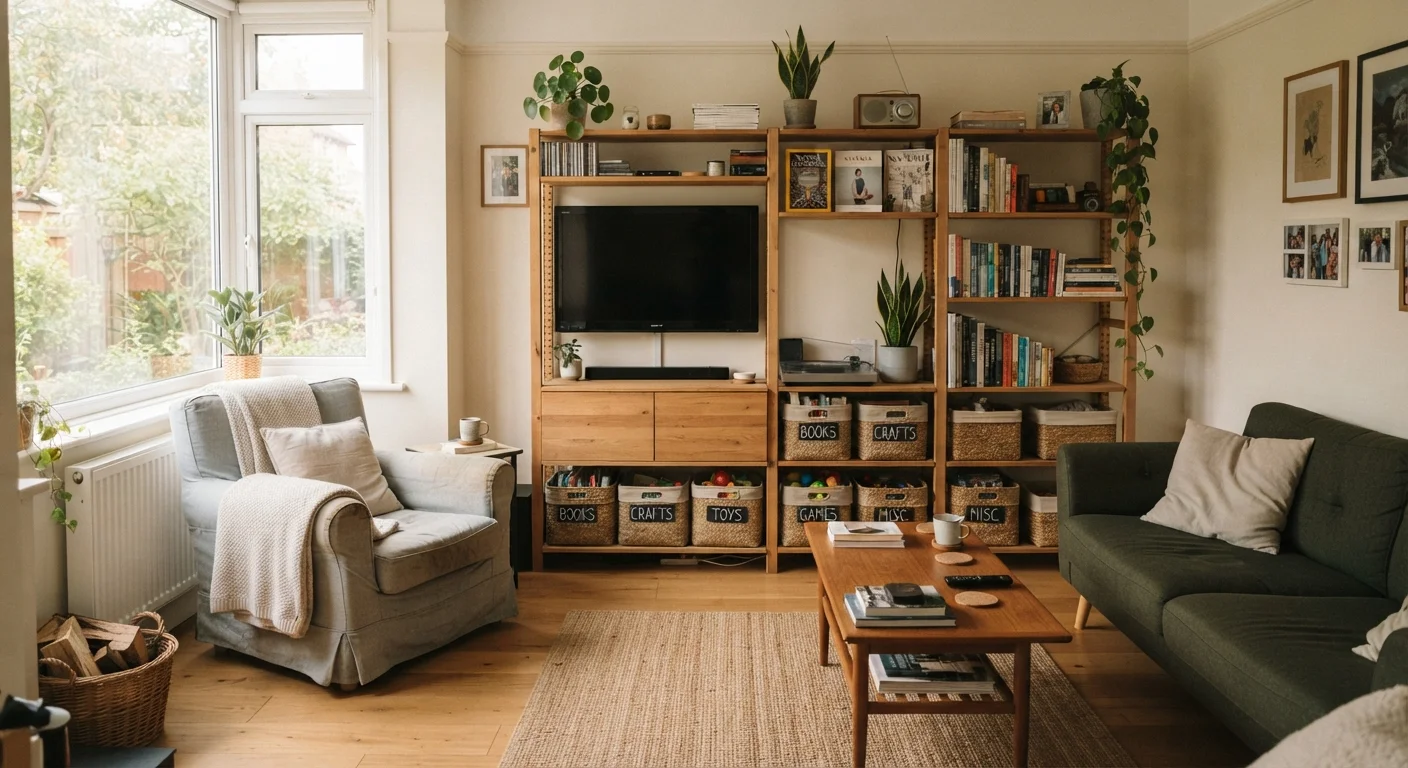
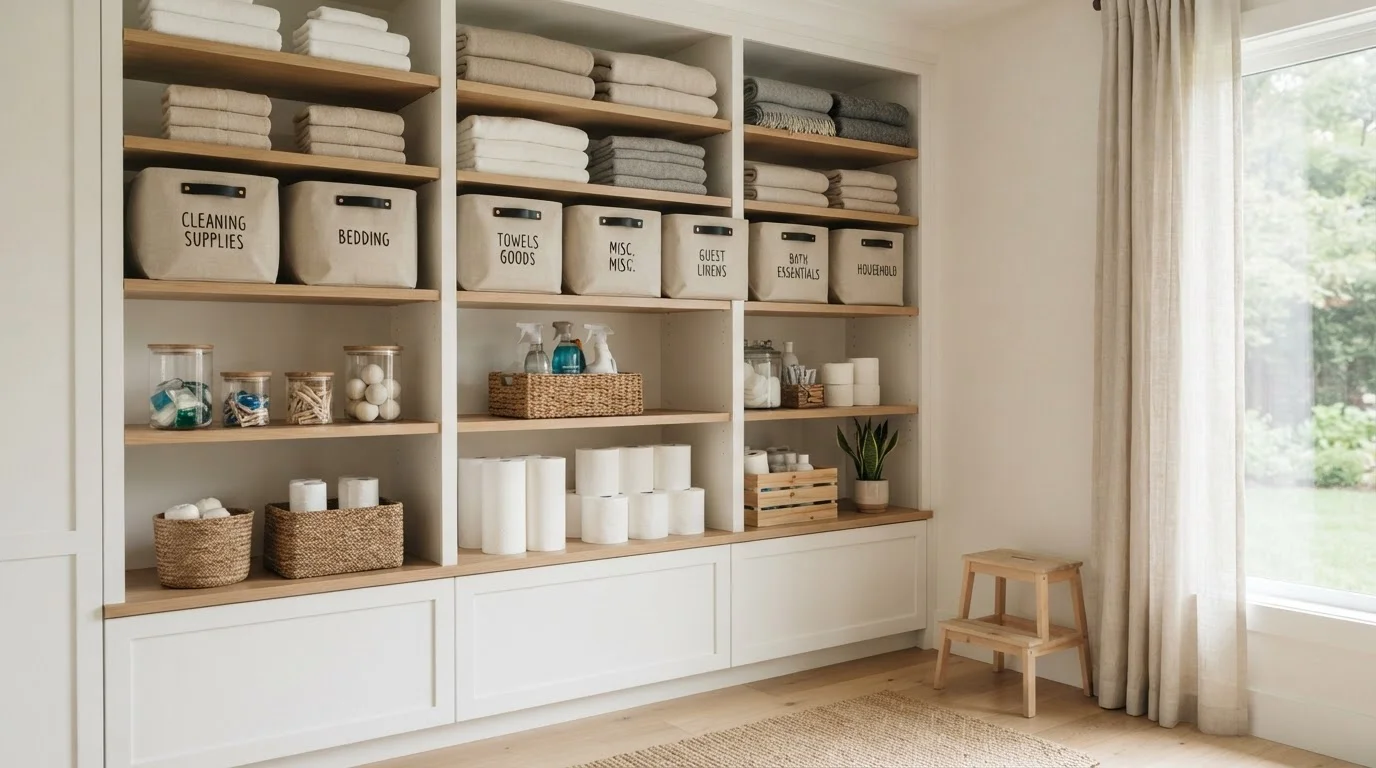
The second barrier is comparison. Highly curated images of organized homes can make the goal feel aesthetic rather than functional - something only achievable with matching bins, label makers, and a home that looks like a showroom. That framing is counterproductive. Real organization is about reducing friction in your daily life, not creating a photo-ready space.
Understanding these two obstacles is genuinely useful because they point toward the solution: start smaller than feels meaningful, and focus on function rather than appearance.
Start With One Drawer, Not the Whole Room
If the idea of organizing an entire room feels paralyzing, give yourself permission to start with literally one drawer or shelf. Finishing a small area in full is more valuable than partially tackling a large one. Completion builds momentum - partial progress rarely does.
Core Concepts Every Beginner Should Know
Before touching a single drawer, it helps to understand a few foundational ideas that experienced organizers rely on consistently.
Decluttering
The process of deciding which items to keep, donate, recycle, or discard before organizing the remainder. It always happens before organizing, not during.
Home organization system
A set of consistent rules and designated locations that determine where items live and how they get returned - so a space stays functional without constant effort.
High-friction zone
An area of your home where disorder regularly slows you down or creates frustration, such as an overcrowded entryway or a chaotic kitchen counter.
Reset habit
A short, regular routine - often 10 minutes or less - where items are returned to their designated spots to prevent small disorder from compounding into a bigger problem.
Container Method
An organizing approach where the size of a storage container sets a firm limit on how much of a given category you keep - when the container is full, something must leave before anything new comes in.
Designated home
The specific, consistent location assigned to a particular item or category of items so anyone in the household knows exactly where it belongs and where to find it.
Decluttering always precedes organizing. You cannot build a functioning system around more stuff than a space is designed to hold. Decide what stays before you figure out where it goes.
Different organizing philosophies suit different households. If you're curious about structured approaches like the KonMari method, the Container Method, or FIFO (first in, first out), our overview of popular organizing approaches is a useful companion to this guide. No single method works for everyone - borrow what fits your life.
How to Choose Your Starting Point
A practical starting point has two qualities: it is small enough to complete in one or two sessions, and it is an area you interact with daily. That combination ensures you feel the benefit immediately.
- High-friction zones - spots that slow you down or frustrate you regularly (the entryway where things pile up, the counter where mail disappears) are often the highest-value starting points.
- Low-stakes areas - a bathroom cabinet or a single kitchen drawer carries little emotional weight and lets you practice the declutter-then-organize sequence without the complications that come with sentimental items.
- Avoid the garage, attic, or storage unit first. These tend to be large, emotionally loaded, and time-intensive. Saving them for when you have momentum is a sound strategy.
If you're dealing with items that carry sentimental weight, our guide on letting go of sentimental clutter offers practical frameworks for those decisions.
Building a Simple System That Sticks
An organization system is only as good as your ability to maintain it on an ordinary day - not just right after you set it up. Three elements make a system durable:
- A designated place for every item you're keeping. Vague categories like "miscellaneous" or "stuff for later" are where systems break down. Every object that earns a place in your home should have a specific, logical home within it.
- A return path that matches your real behavior. If the designated spot is inconvenient, items will consistently land somewhere else. Design for how you actually move through your space, not how you wish you did.
- A regular reset habit. A 10-minute weekly tidy - returning items to their spots before disorder compounds - is more effective than occasional deep reorganization sessions. This is also the most common point where systems fail; our article on why organized homes drift back into chaos explains the patterns in detail.
You Don't Need to Buy Anything Yet
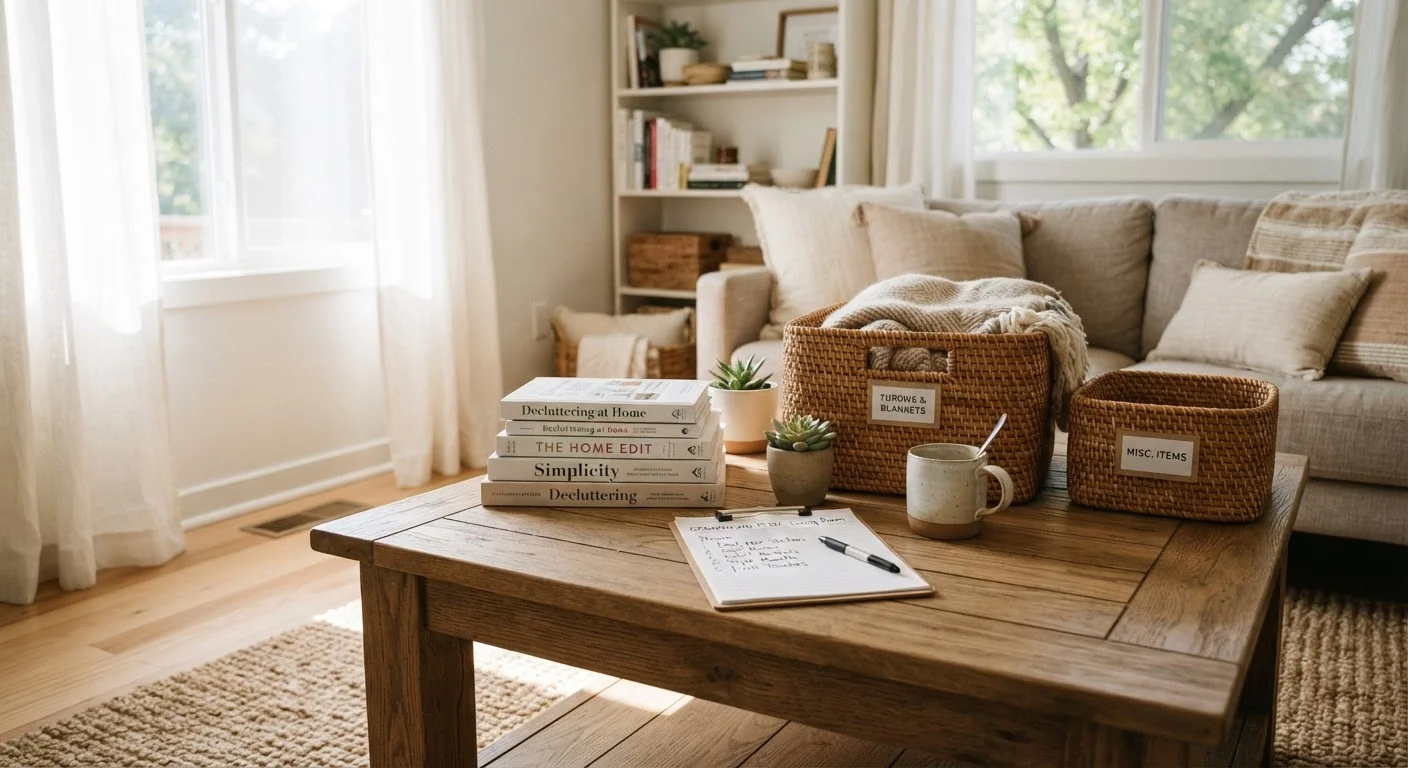
Many beginners purchase storage containers before they understand what they're actually storing. This frequently leads to ill-fitting bins and wasted money. Complete your first declutter pass, measure your space, and assess what you genuinely need before spending anything. Repurposing existing containers - shoeboxes, glass jars, trays - is a perfectly valid interim solution.
Where to Go From Here
Once you've completed a first area and established a basic reset habit, you have the essential template. The next step is expanding room by room using the same sequence: declutter, assign homes, build a return habit.
Our room-by-room home organization walkthrough covers practical strategies for every space - from the kitchen junk drawer to the garage - without requiring significant spending. If your motivation for getting organized connects to broader financial goals, the foundational principles in our budgeting basics hub may also be worth exploring alongside your home work.
The most important thing to carry forward: organization is a skill, not a personality trait. It improves with practice, and every small area you complete makes the next one easier.