
Why Night Driving Is Genuinely More Dangerous
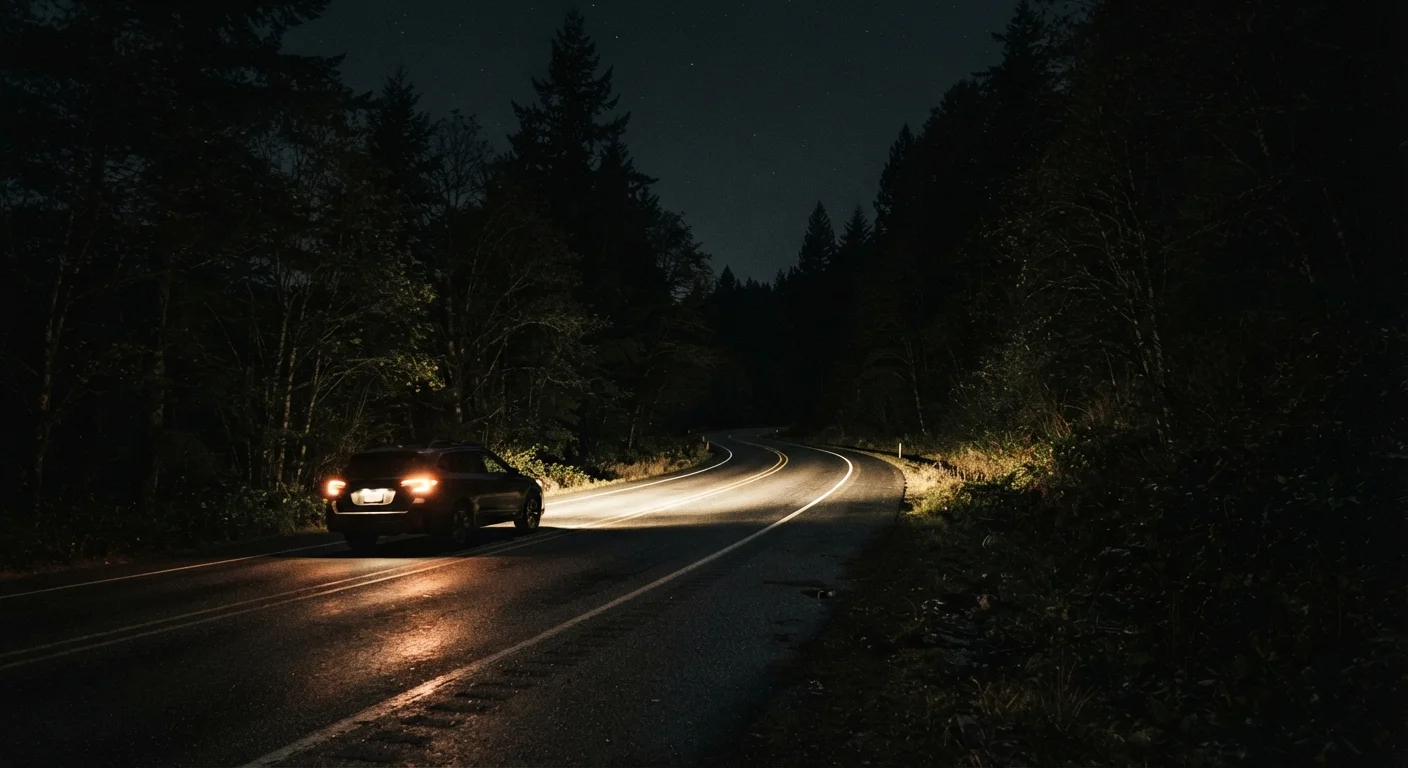
Most drivers know night driving feels harder, but the numbers put real weight behind that instinct. According to the National Safety Council, traffic fatality rates per mile driven are roughly three times higher at night than during daylight hours - despite significantly lower traffic volumes. The reasons are straightforward: reduced visibility, compromised depth perception, narrowed field of view, and the compounding effects of driver fatigue.
Your eyes need time to adapt when moving between lit and unlit environments. That transition - known as dark adaptation - can take several minutes, meaning the few seconds after passing a brightly lit gas station or tunnel can leave you temporarily less prepared for what's ahead. Add glare from oncoming headlights, and the window of clear vision narrows further.
Understanding the specific risks is the starting point for managing them. Night driving isn't simply daytime driving in the dark - it requires deliberate adjustments to speed, spacing, and awareness that become second nature with practice. Pairing these habits with a defensive driving mindset gives you the best foundation.
Best Practices for Safer Night Driving
The following habits address the most common failure points after dark - from what you do before you drive to how you manage other road users while underway.
Use high beams on unlit roads - and drop them promptly for oncoming traffic
High beams roughly double your usable sight distance on dark roads, giving you more time to react to hazards. However, leaving them on when another vehicle approaches creates dangerous glare for that driver and can cause a temporary blind spot for you as well.
Slow down to match your actual sight distance
Driving faster than your headlights can illuminate - sometimes called 'overdriving your headlights' - means you may not have enough distance to stop if a hazard appears at the edge of your light. This is one of the most common contributors to nighttime collisions with pedestrians, animals, and debris.
Increase your following distance beyond the standard two-second rule
Reaction time doesn't change at night, but the time between spotting a hazard and having enough information to act often does. A longer gap gives you a critical extra second to process what you're seeing. Our guide on following distance explains how to judge this accurately.
Manage glare from oncoming headlights by looking right
Looking directly at bright oncoming headlights causes temporary flash blindness and can disorient you for several seconds afterward. Shifting your gaze to the right edge of your lane keeps a useful reference point in view without exposing your eyes to the full intensity of the light.
Watch for signs of fatigue and stop before they become dangerous
Drowsy driving is disproportionately a nighttime problem because it overlaps with the body's natural sleep cycles. Microsleeps - brief, involuntary lapses in consciousness lasting only a few seconds - can cause a vehicle to travel hundreds of feet with no driver input. There is no reliable way to 'push through' significant fatigue while driving.
Keep your windshield and headlight lenses clean
A dirty windshield scatters light from oncoming vehicles, dramatically worsening glare. Clouded or yellowed headlight lenses reduce your beam's effective range. Both issues are easy to address with routine cleaning but are frequently ignored until visibility noticeably degrades.
Quick Actions You Can Take Before Your Next Night Drive
Your vehicle's condition plays a larger role at night than most drivers appreciate. Dirty or fogged headlight lenses can reduce light output by as much as 50%, according to automotive safety researchers - a significant handicap that a few minutes of cleaning can reverse. For a broader look at how everyday habits affect your car's long-term performance, see our piece on habits that quietly shorten a car's lifespan.
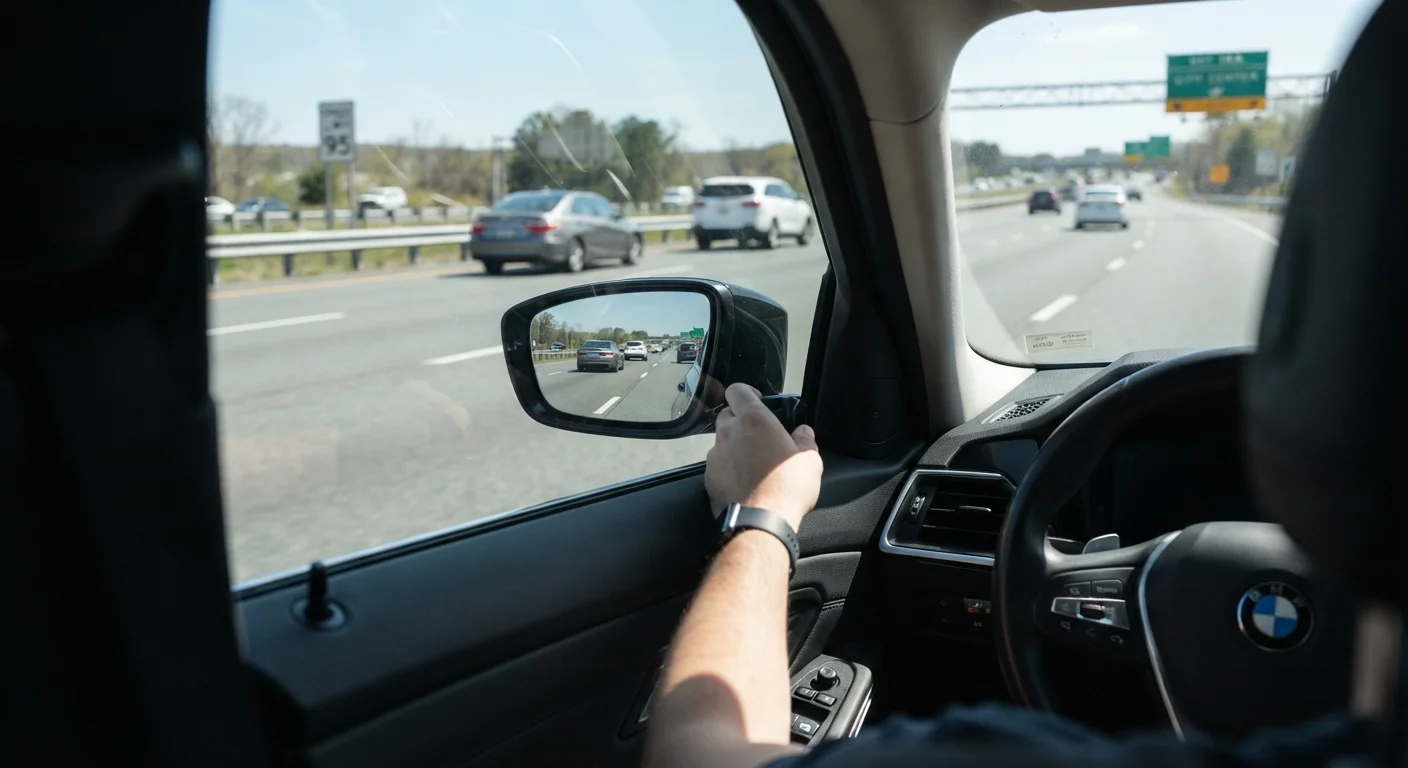
Similarly, correctly aligned mirrors reduce blind spots that are already harder to manage in low light. Our guide on why your mirrors are likely set wrong walks through the correct technique in minutes. And if rain or fog is also a factor, the adjustments needed go beyond lighting - see driving in rain, ice, and fog for technique changes specific to those conditions.