
What Each Approach Actually Means
Defensive driving is a structured mindset: you continuously scan the environment, predict how other road users and conditions might change, and adjust your speed, position, and attention before a threat demands it. The National Safety Council describes the core principle as being prepared to deal safely with the errors of others - not just your own.
Reactive driving, by contrast, is what most people do when their attention lapses or when an unfamiliar situation catches them off guard. A hazard appears; the brain processes it; the body responds. That sequence is unavoidable in some situations, but relying on it as a primary strategy leaves very little margin for error.
Neither label describes a fixed personality type. Every driver shifts between the two depending on fatigue, distraction, familiarity with a route, and conditions. The goal is to spend as much time as possible in the anticipation mode - and to understand exactly why that matters.
| Criterion | Defensive Driving | Reactive Driving |
|---|---|---|
| Timing of response | Before hazard fully develops | After hazard appears |
| Primary mechanism | Anticipation and planning | Reflexes and instinct |
| Scanning range | 10-15 seconds ahead | Immediate vehicle ahead |
| Following distance | 3+ seconds maintained deliberately | Variable, often insufficient |
| Response to poor conditions | Speed and position adjusted proactively | Adjusted only when conditions demand |
| Driver stress level | Generally lower - fewer surprises | Higher - constant last-moment responses |
| Learnability | Teachable habits and frameworks | Partially improvable through experience |
| Collision risk profile | Reduced - more time to act | Elevated - narrower margins |
The Physics of Reaction Time
Reaction time is the bridge between these two approaches, and the numbers are unforgiving. Research consistently places the average driver's perception-reaction time - from seeing a hazard to beginning to brake - at roughly 1.5 seconds. At 60 mph, that equates to approximately 132 feet of travel before the brakes even engage. Add stopping distance on top of that, and the total is well over 200 feet on a dry road.
~1.5 sec
Average driver perception-reaction time
Widely cited across road safety research as the baseline for sober, attentive adult drivers under normal conditions.
132 ft
Distance traveled at 60 mph before braking begins
Calculated from a 1.5-second reaction time at 60 mph - before any braking force is applied.
90%
Of crashes attributed to human factors
The National Highway Traffic Safety Administration (NHTSA) has consistently attributed the large majority of crashes to driver behavior rather than vehicle or road failure.
Defensive driving compresses the effective hazard window by identifying potential problems earlier, which means the driver acts at lower relative speeds or from safer positions. Reactive driving, by definition, eats into that margin entirely.
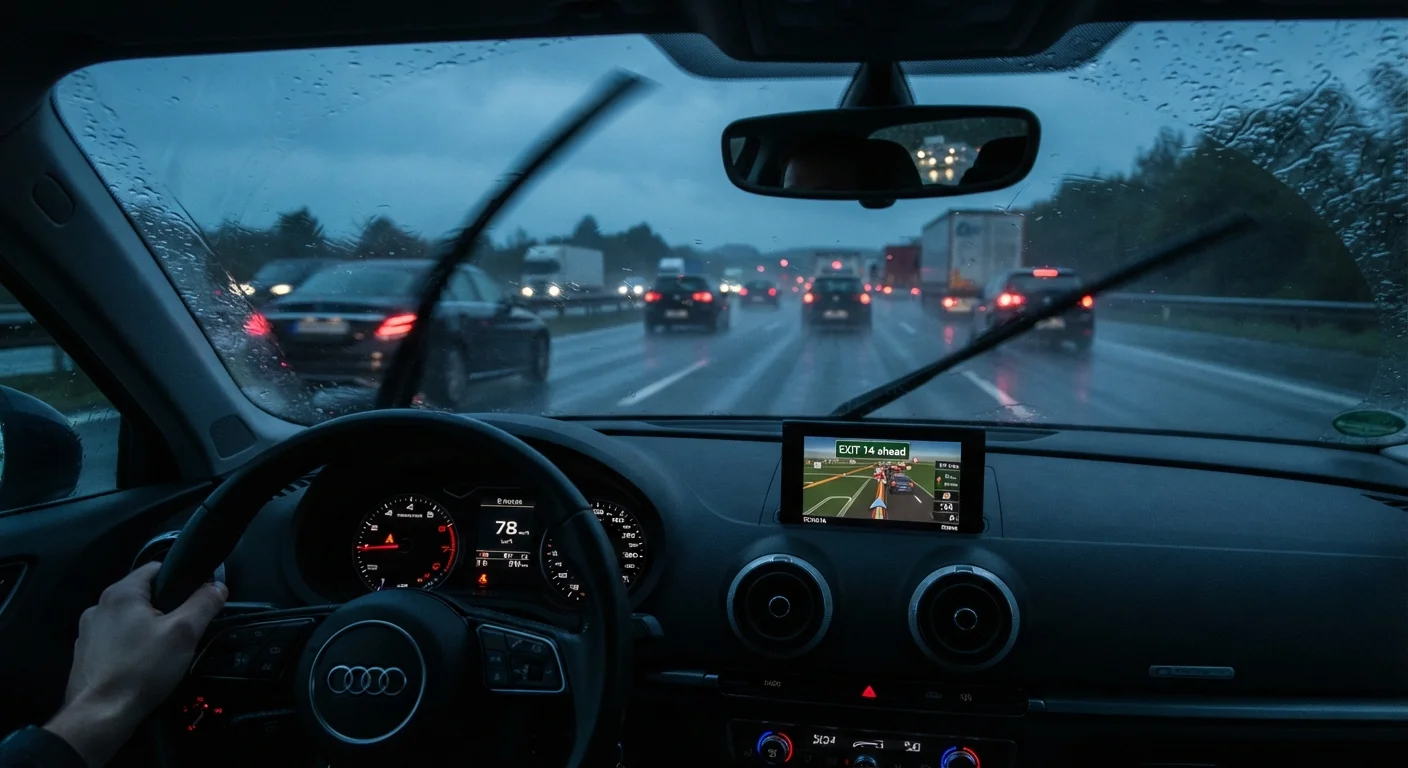
Conditions worsen the equation further. Wet roads, ice, and fog each extend stopping distances substantially - sometimes doubling them. A driver relying on reactions in those conditions is operating with a margin that physics may not allow.
Core Habits That Separate the Two Styles
The practical differences come down to a handful of consistent behaviors:
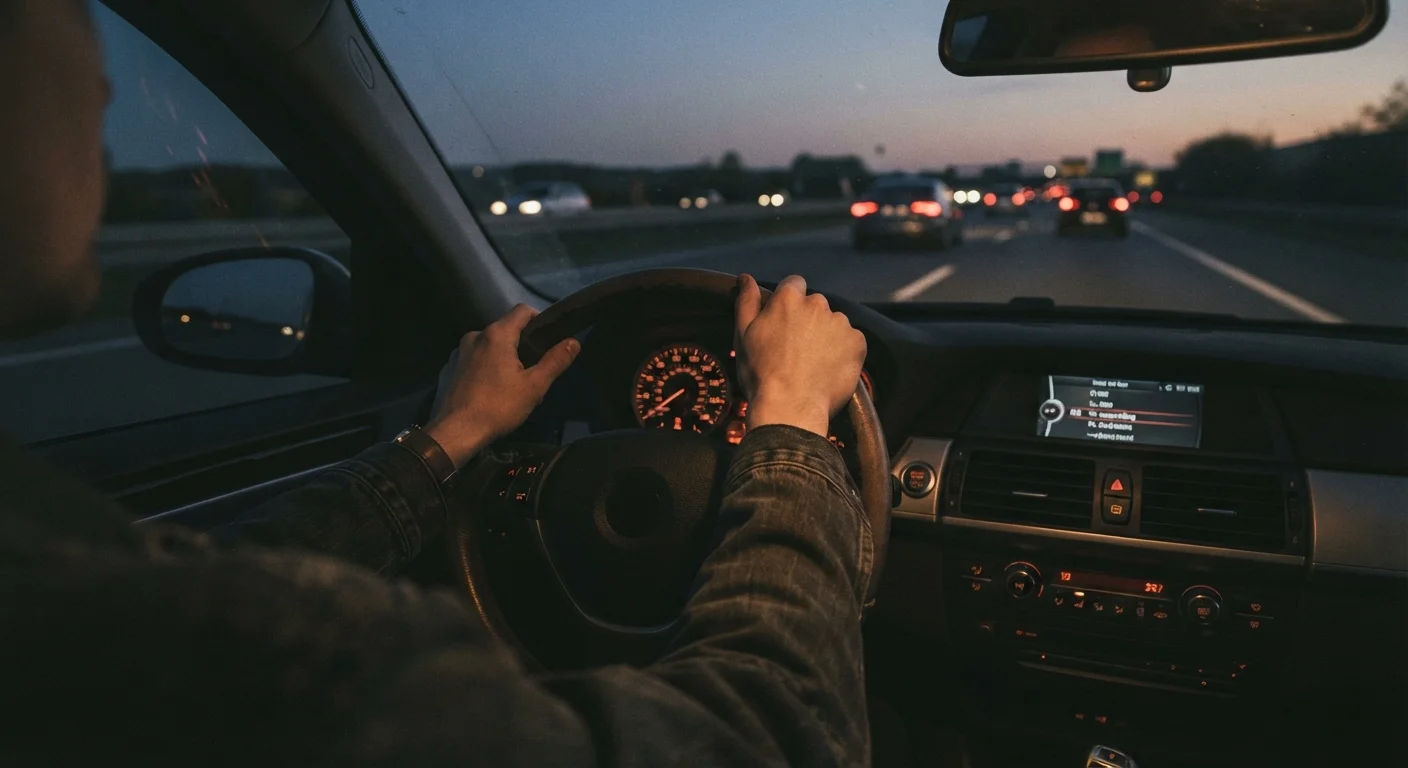
- Scanning distance: Defensive drivers look 10-15 seconds ahead on highways (roughly a quarter-mile at highway speed), tracking the full picture rather than just the vehicle directly in front. Reactive drivers tend to fix attention on the car immediately ahead.
- Following distance: The three-second rule - maintaining at least three seconds of gap to the vehicle ahead - is a foundational defensive principle. In poor conditions, four to six seconds is more appropriate.
- Speed management: Defensive drivers adjust speed proactively at intersections, when merging traffic appears, or when visibility narrows. Reactive drivers maintain speed until the situation forces a change.
- Positioning: Choosing a lane position that maximizes sight lines and escape routes is deliberate, not accidental. It is a classic defensive habit that reactive drivers rarely consider in advance.
Many of the habits that quietly increase collision risk - tailgating, distracted glances at phones, fixating on GPS - are essentially behaviors that push a driver from defensive into reactive mode without them noticing.
When Reactive Responses Are Unavoidable
Reactive driving is not inherently wrong - it is a necessary fallback. A dog running into the road, a blown tire from the vehicle ahead, or sudden black ice are scenarios where even the most attentive driver must respond in real time. The point is not to eliminate reactive responses but to reserve them for genuinely unforeseeable events, not for everyday hazards that better scanning could have flagged earlier.
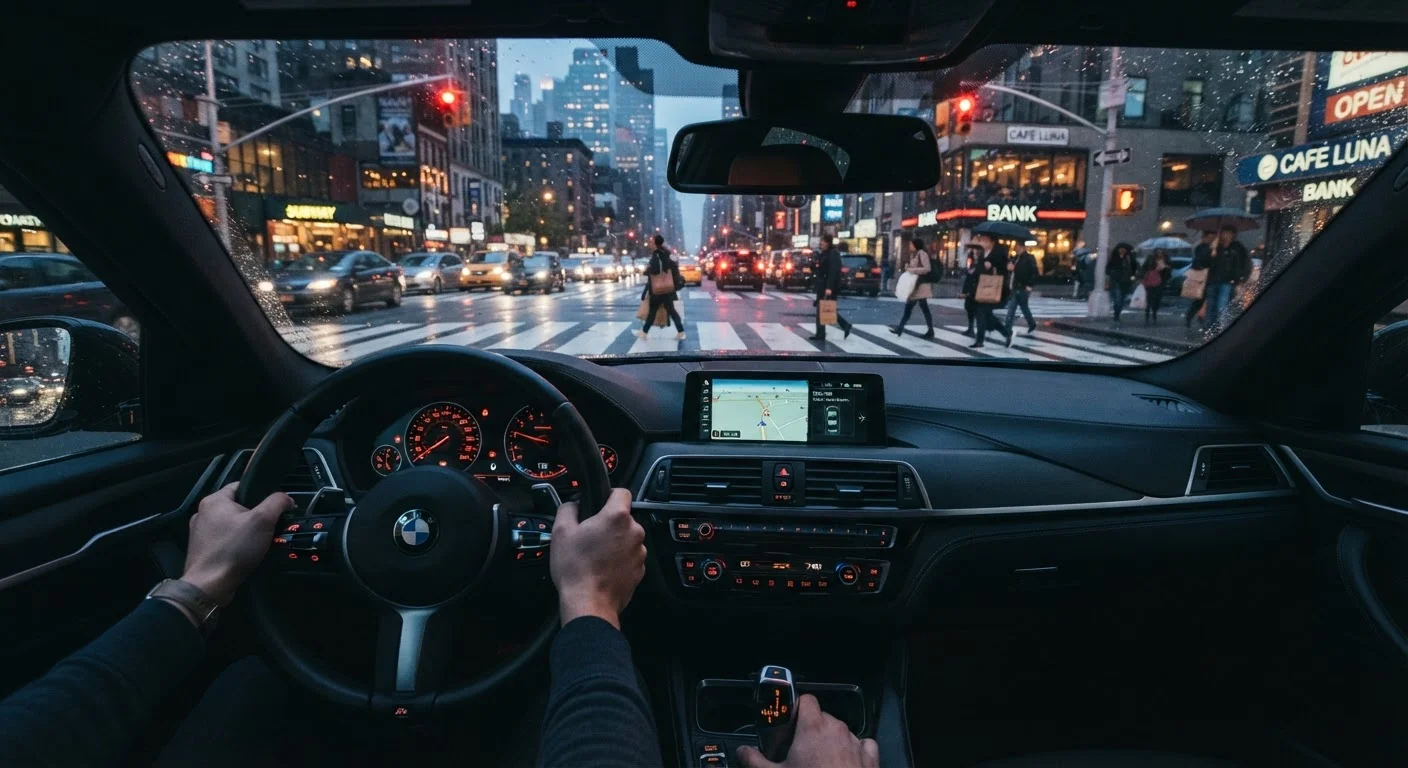
Experienced defensive drivers often describe this as narrowing the category of genuine surprises. Most situations that feel sudden - a car running a red light, a pedestrian stepping off a curb - had visible precursors seconds earlier. Practised scanning catches those precursors; reactive-mode driving does not.
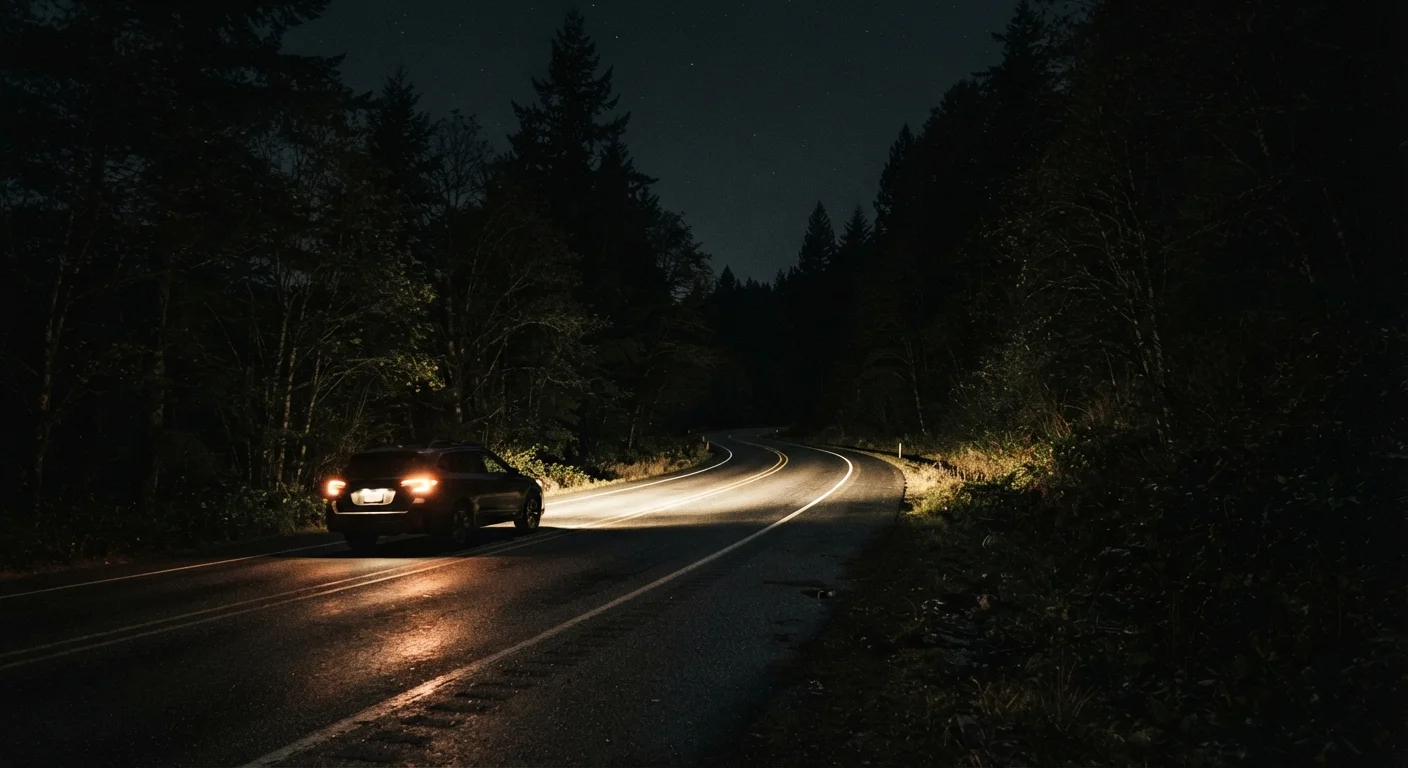
After-dark driving compresses the precursor window significantly, which is precisely why the same defensive habits become even more important when visibility is limited.
This article provides general driver education and is not a substitute for a certified defensive driving course or professional instruction. Always comply with your state's traffic laws and consult qualified instructors for personalized guidance.