
Why Overpaying Is Structural, Not Just Accidental
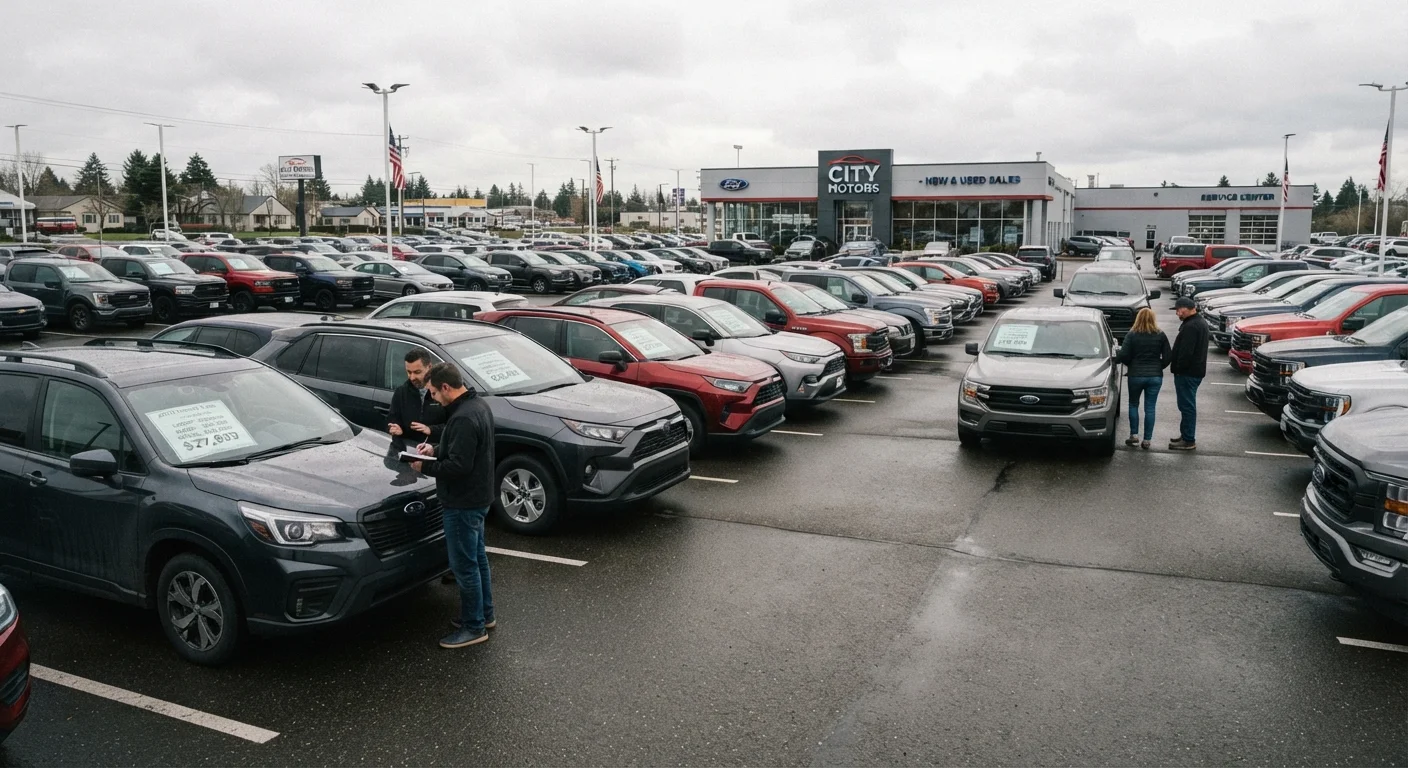
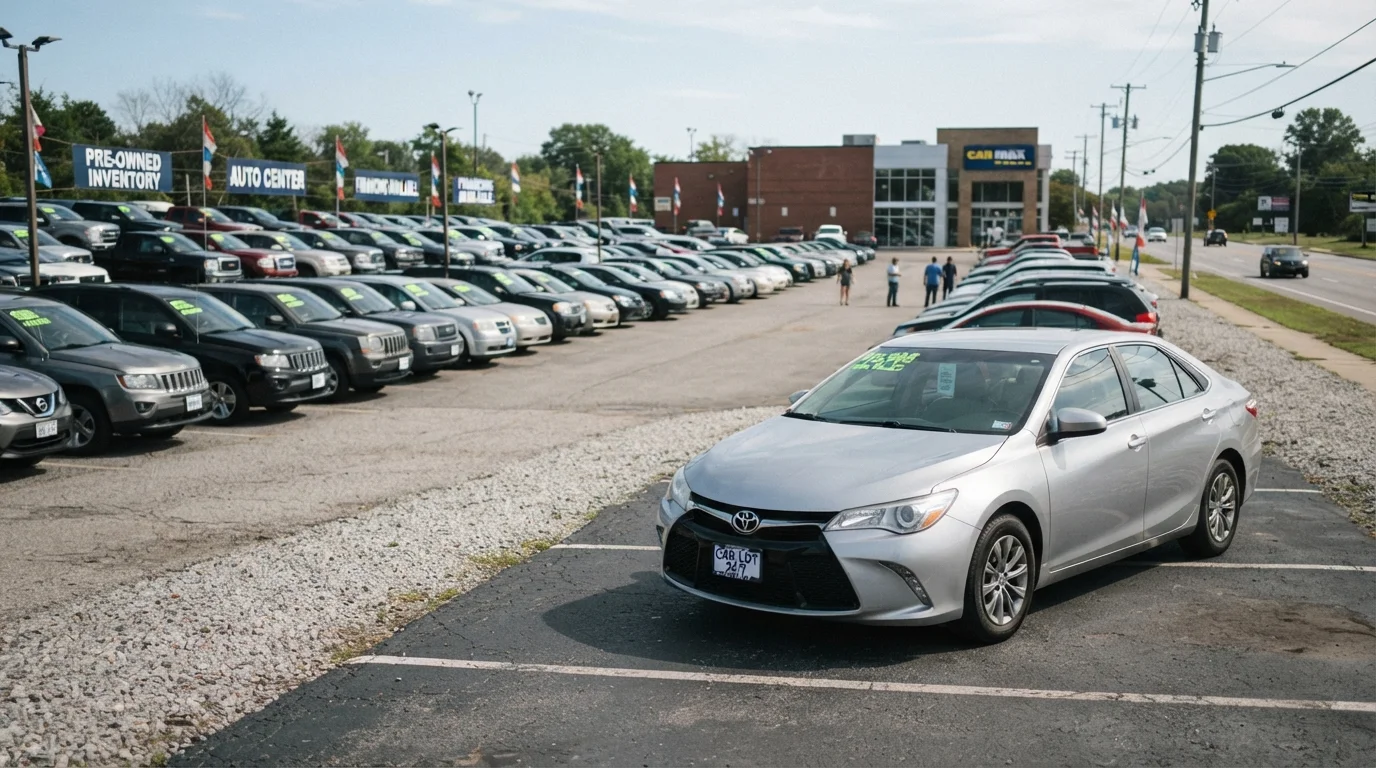
Most buyers don't overpay because they're careless - they overpay because the environment around a vehicle purchase is designed to produce exactly that outcome. Dealership sales floors, private-seller listings, and even online platforms create conditions that favour the seller's position. Understanding these conditions doesn't require cynicism; it requires awareness.
The patterns that lead to overpayment are well-documented in consumer behaviour research. They include cognitive shortcuts (heuristics), emotional responses to scarcity and urgency, and a mismatch between how value is framed and what it actually represents. The good news: each pattern is recognisable in advance. See our vehicle pricing myths explainer for a deeper look at how assumptions about fair value can mislead buyers before they even begin negotiating.
Urgency and Scarcity Are Often Manufactured
Phrases like 'another buyer is coming this afternoon' or 'this price is only good today' are among the most common pressure tactics in vehicle sales. While occasionally genuine, these claims are frequently designed to compress your decision-making timeline and reduce your willingness to walk away. Any seller unwilling to give you reasonable time for due diligence should be treated with extra caution.
Common Mistakes That Drive Buyers to Overpay
The following mistakes appear consistently across both dealer and private-sale transactions. Recognising them in real time - not just in retrospect - is where the real savings come from.
Falling emotionally attached to a specific vehicle before agreeing on a price.
Why it happens: Test drives, personalised features, and the excitement of a potential purchase trigger emotional investment that overrides rational price evaluation.
Accepting the asking price as the anchor for all subsequent negotiation.
Why it happens: Anchoring is a well-established cognitive bias: the first number stated in a negotiation exerts disproportionate influence on all numbers that follow, regardless of whether it reflects market value.
Negotiating around a monthly payment rather than the total vehicle price.
Why it happens: Monthly payment framing makes a large total cost feel manageable. Dealers can extend loan terms or shift costs into add-ons while keeping the monthly figure unchanged.
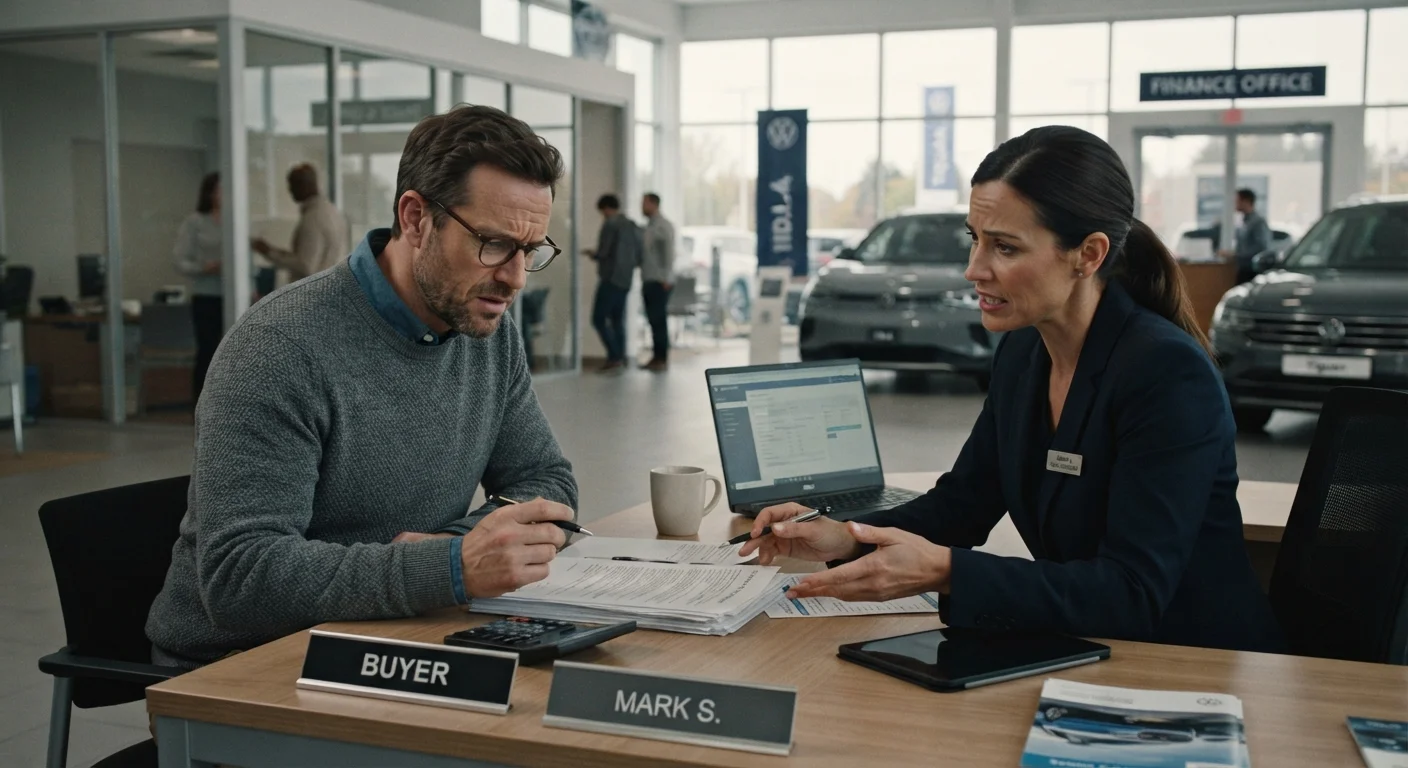
Agreeing to financing, warranties, or add-ons under time pressure at the point of sale.
Why it happens: The final paperwork stage often happens when buyers are fatigued and emotionally committed. Products like extended warranties and paint protection are presented quickly and framed as essential.
Skipping independent vehicle history and condition checks to avoid delaying a deal.
Why it happens: When a vehicle feels right and a seller signals other interested buyers, the fear of losing the deal motivates buyers to compress due diligence.
Treating trade-in value and purchase price as a single bundled negotiation.
Why it happens: Dealers often combine these figures, which creates room to appear generous on one side while recovering margin on the other.
For a comprehensive view of how these mistakes fit into the full purchase process, the used-car buyer's end-to-end guide walks through every stage from research to handover.
Turning Awareness Into Negotiating Discipline
Knowing the traps is step one. Converting that knowledge into behaviour at the negotiating table is the harder task - and it requires preparation that happens before you visit any listing or lot.
~$1,000+
Typical overpayment from skipping market research
Consumer advocacy research consistently finds that buyers who enter negotiations without independent price data pay materially more than those who arrive with transaction-based benchmarks.
3-5%
Common dealer margin on F&I products
Finance and insurance products presented at the point of sale frequently carry significant dealer markup, often representing a disproportionate share of dealer profit on a transaction.
Establish your maximum price from independent market data before any conversation begins. Tools that aggregate real transaction prices - not just asking prices - give you a defensible reference point that's harder to argue with than gut feel. Know the out-the-door cost, not just the sticker, and treat any attempt to reframe the conversation around monthly payments as a signal to refocus on total price.
Walking away is a genuine strategy, not a bluff. Buyers who have identified two or three comparable alternatives before entering any negotiation carry far more leverage than those committed to a single vehicle. If the emotional pull of one particular car feels strong, treat that as a warning sign, not a reason to accelerate. Negotiating approaches that hold under pressure covers the practical mechanics of how to execute once you're in the room.
Know Your Total Cost Before You Sign Anything
The contract is the only number that matters. Verbal commitments, handshake agreements, and 'we'll sort out the details' assurances have no legal weight once you've signed. Review every line of the purchase agreement - including all fees, add-ons, and financing terms - before signing. If anything differs from what was discussed, stop and ask for a written correction before proceeding.