
Why Airports Are Prime Scam Territory
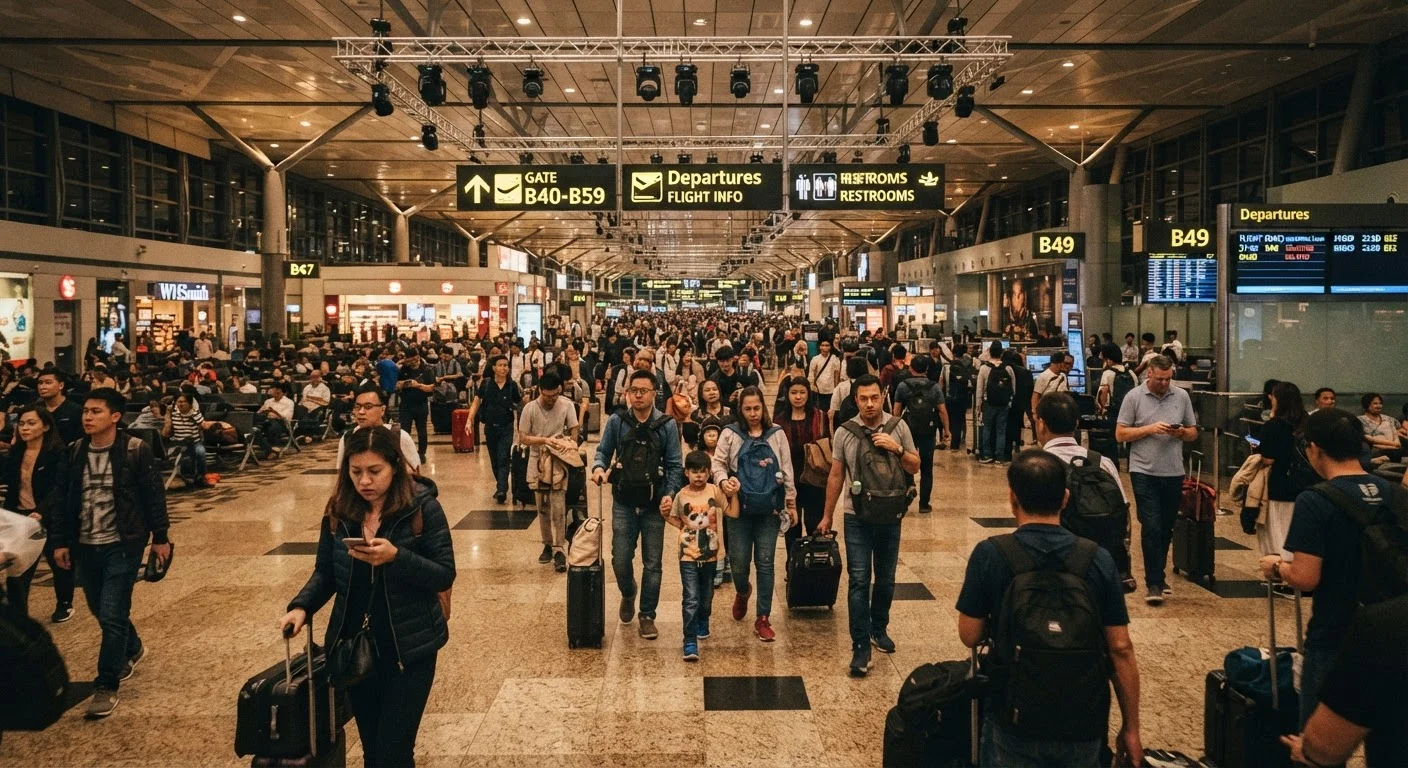
Airports compress several vulnerability factors into one space: unfamiliar surroundings, time pressure, fatigue, and large amounts of cash or valuables on hand. Experienced scammers recognize that a traveler sprinting to a gate or overwhelmed by a foreign language is less likely to scrutinize what's happening around them. This isn't about being careless-it's about being human under stress.
The misconception that scams only target inexperienced or older travelers is itself a risk factor. Research from consumer protection organizations consistently shows that overconfidence is one of the strongest predictors of falling for deception. If you assume it won't happen to you, you stop watching for it. See also: common safety myths that create false confidence.
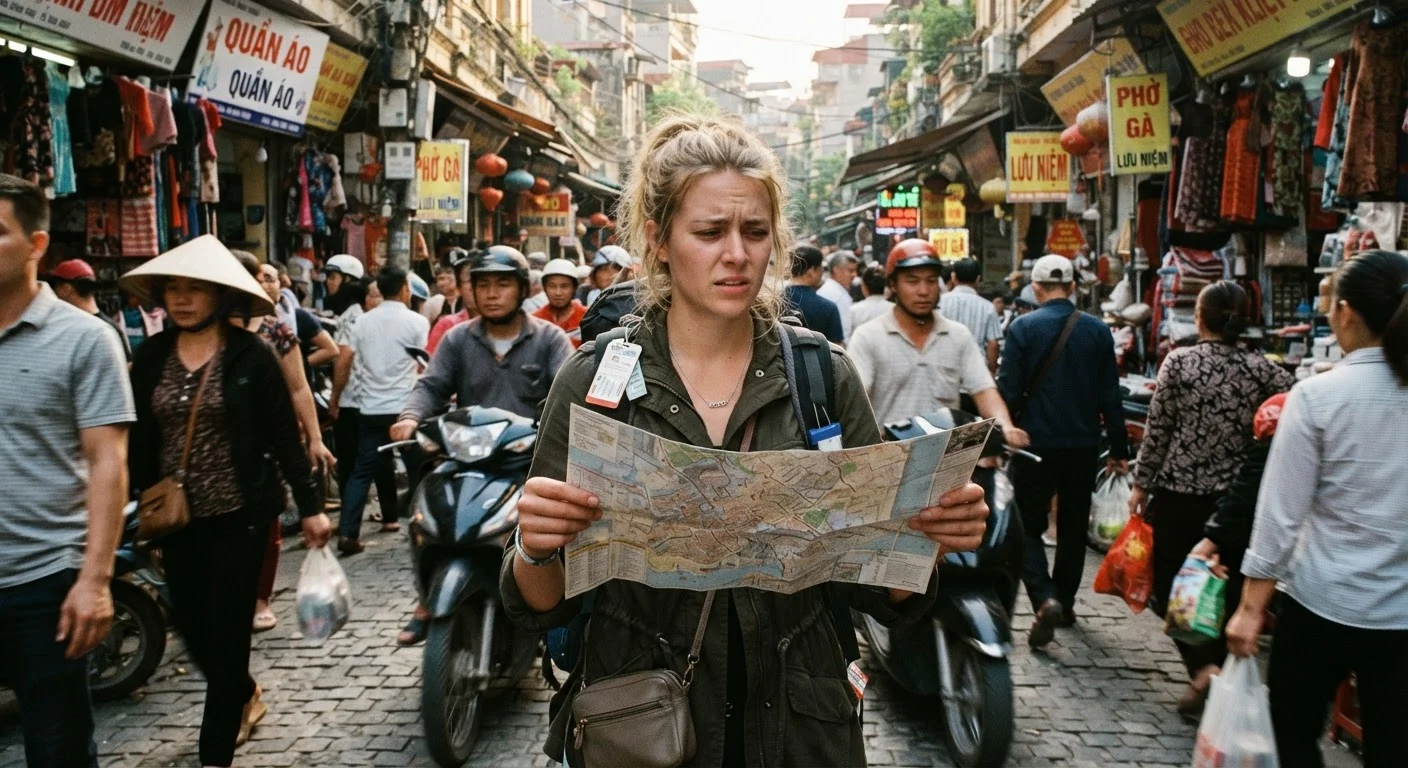
Accepting unsolicited help from strangers who approach you with luggage, directions, or a "special" transport offer.
Why it happens: Travelers feel social pressure to be polite, and the offer often sounds genuinely helpful in a moment of confusion or fatigue.
Using an unofficial taxi or 'private driver' who approaches you inside the terminal.
Why it happens: After a long flight, the convenience of someone walking you directly to a car feels appealing, especially when the official queue looks long.
Not counting currency exchange money before walking away from the counter.
Why it happens: Travelers are embarrassed to count in front of a cashier or assume the amount printed on the receipt is what they received.
Leaving bags unattended or unsupervised while distracted by a conversation or incident nearby.
Why it happens: Coordinated distraction scams are common: one person creates a minor commotion or engages you in conversation while another takes your belongings.
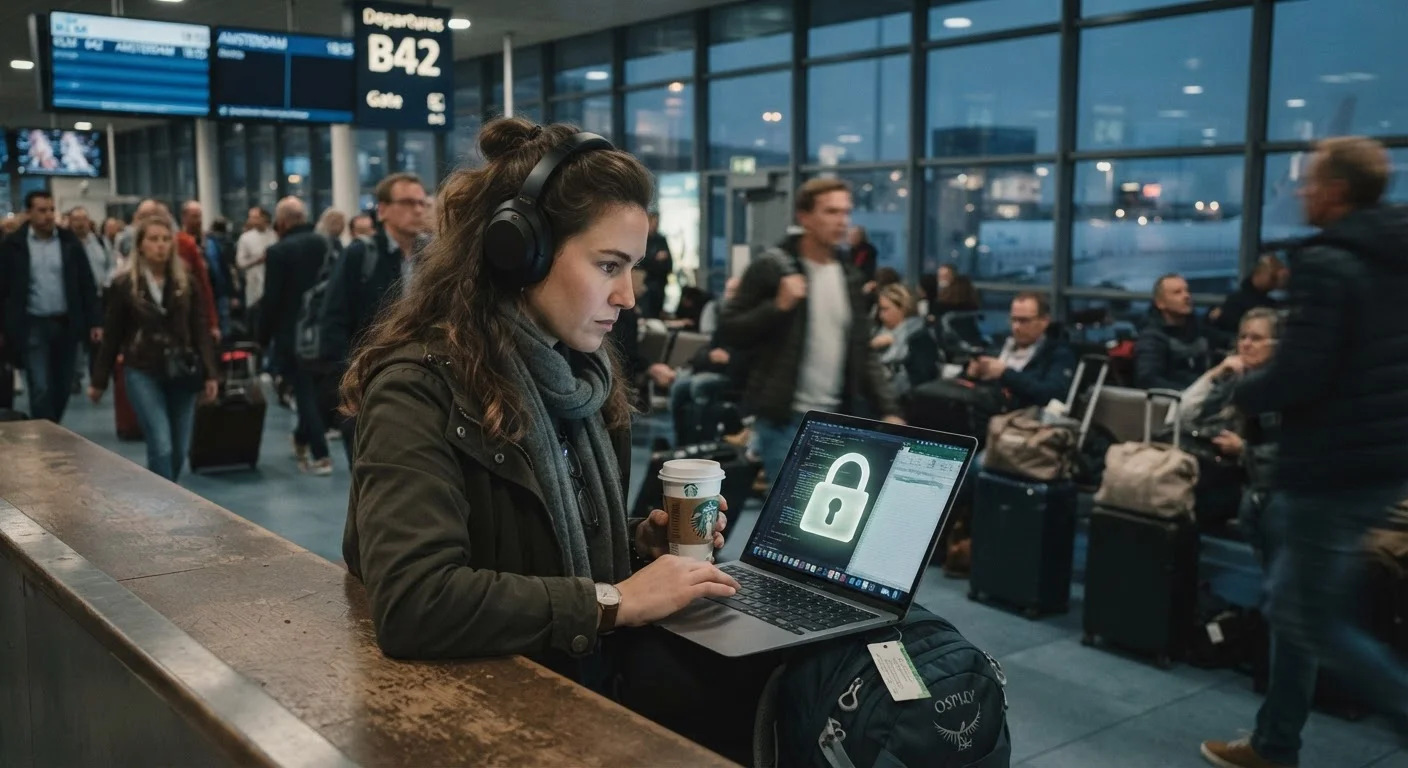
Connecting to unofficial or spoofed Wi-Fi networks in airport lounges and waiting areas.
Why it happens: Travelers assume any network with the airport's name is legitimate, and they need connectivity urgently to check gates or contact family.
Trusting unofficial 'currency helpers' or individuals who offer to assist at ATMs.
Why it happens: First-time international travelers may be uncertain about how a foreign ATM works and accept what appears to be friendly local knowledge.
Practical Habits That Make You a Harder Target
Awareness alone isn't enough-you need habits that work automatically when your attention is stretched thin. Before leaving your departure gate area, note the official taxi or rideshare pickup zone on the airport's website. Screenshot it. When you land, go directly there rather than accepting offers in the terminal.
Distraction Scams Often Work in Teams
If a stranger spills something on you, drops items near your feet, or initiates an urgent conversation, treat it as a potential setup. Coordinated teams rely on your attention being pulled away from your bags. Pause, secure your belongings, and then address the situation. Do not hand your bag to anyone while you clean up or look for help.
Keep your bags physically between your legs or looped around your arm when seated. At currency exchange counters, count your money before stepping away from the counter and before pocketing it-this is when shortchanging most often happens. For digital safety, avoid connecting to any Wi-Fi network that isn't confirmed by airport staff or official signage; protecting your data on the road covers this in detail.
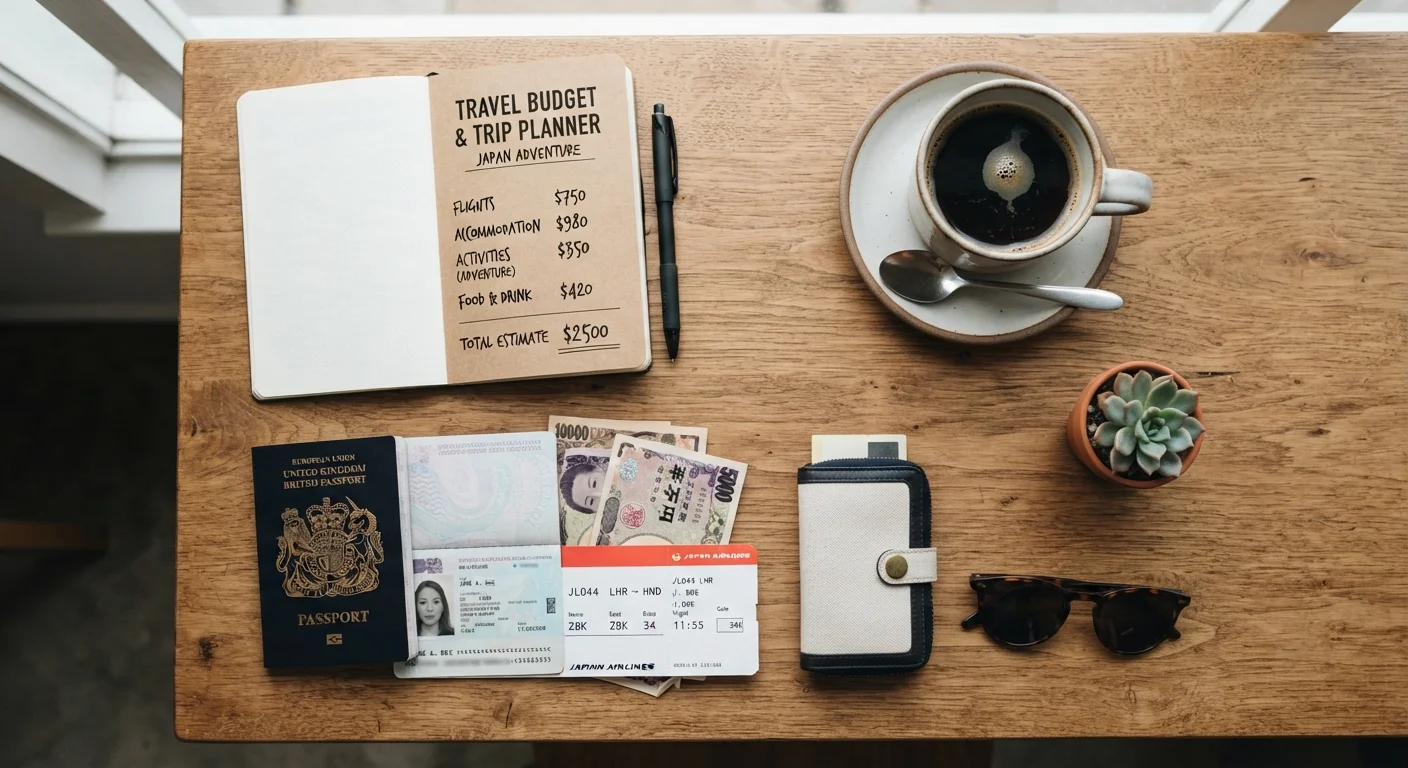
Budget travelers should also note that scam-related losses-stolen cash, overcharged rides, counterfeit currency-are the kind of hidden costs that quietly blow a trip budget. The overlooked costs that derail budget trips are worth planning for in advance.