

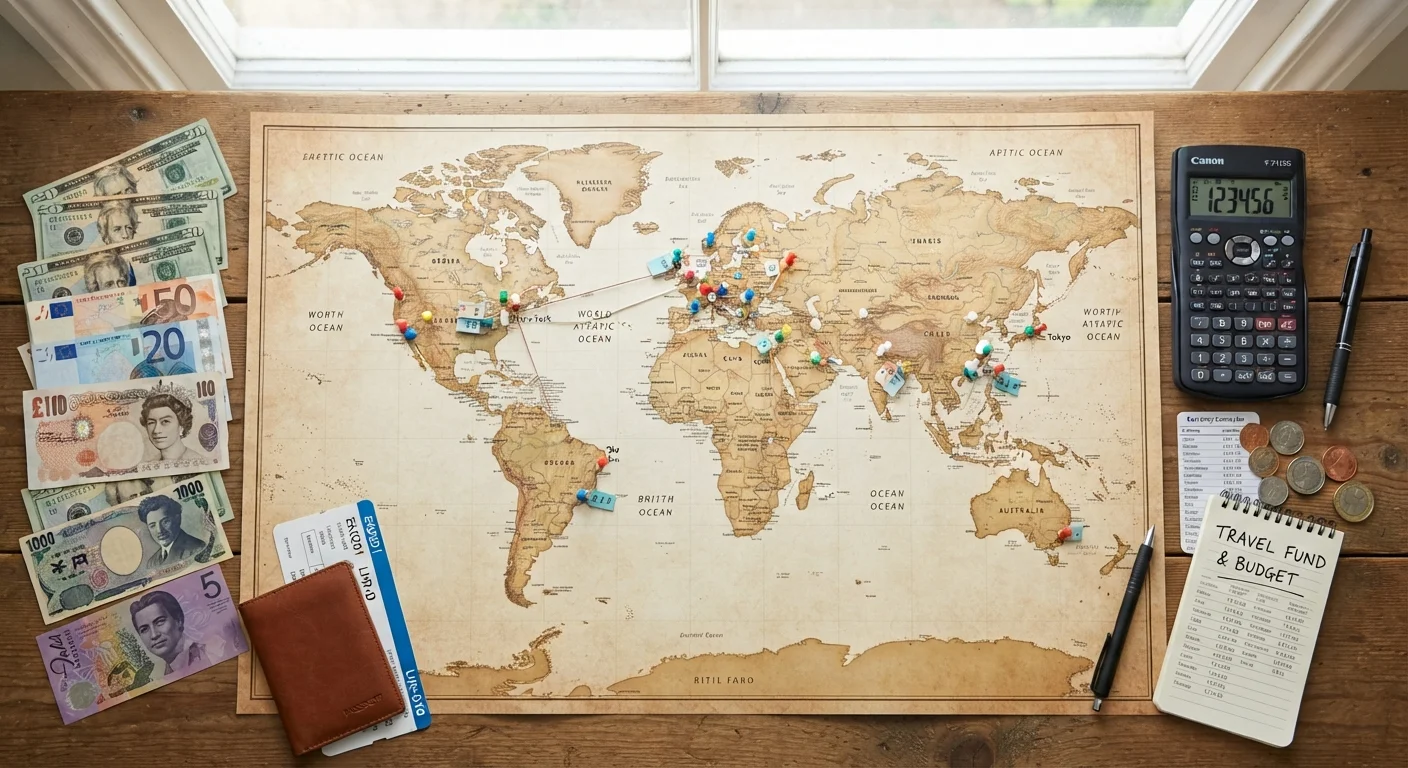
Why Affordability Rankings Go Out of Date Fast
Travel publications love producing ranked lists of the world's cheapest destinations. The problem is that a single currency shift, a spike in tourism demand, or a regional event can render that ranking obsolete within months. When the U.S. dollar strengthens significantly against a destination's currency, that country gets cheaper for American travelers - and when it weakens, the reverse is true. These swings are regular, not rare.
Destination affordability is also shaped by factors beyond exchange rates: inflation local to that country, changes in tourist infrastructure, new direct flight routes (which reduce or increase airfare), and whether a place has been recently featured in viral travel content. A coastal town that was genuinely low-cost two years ago may now have restaurant prices calibrated to a global tourist audience.
For a grounded view of what actually drives total trip cost, see what travelers often forget to factor in - the overlooked expenses that quietly erode even carefully planned budgets.
Myth
Some destinations are just inherently cheap - you can always travel there on a tight budget.
Fact
No destination is unconditionally cheap. Cost depends on exchange rates, season, and how you travel.
A country with a low cost of living still requires you to get there. If flights from your origin are expensive, and you're visiting during peak tourist season, the theoretical savings on local expenses may be wiped out entirely. True affordability is always trip-specific, not destination-specific.
Myth
If a destination was cheap last year, it's still a good value today.
Fact
Destination costs shift continuously due to currency movements, inflation, and tourism trends.
Exchange rates, local inflation, and surging tourism interest can each substantially alter what you pay on the ground. A destination that offered strong value 18 months ago may have seen its popular neighborhoods reprice for international visitors since. Always verify current prices using recent traveler reports and current exchange rate data, not last year's articles.
Myth
Traveling to an expensive country will always cost more than traveling somewhere cheaper.
Fact
Total trip cost depends on flights, accommodation type, and personal habits - not just local price levels.
A traveler flying a short, direct route to a nominally expensive country and staying in budget accommodation may spend less overall than someone taking a long-haul flight to a nominally cheap country and staying in tourist-zone hotels. Flight cost, trip length, and spending discipline are often more decisive than the destination's general price tier.
Myth
Popular travel blogs and 'cheapest countries' lists give you reliable cost guidance.
Fact
Published affordability lists reflect the author's spending patterns and the date of writing - neither may match yours.
Costs in a published guide reflect a specific traveler, a specific style, and a specific moment in time. Currency fluctuations, updated tourism infrastructure, and changed local pricing all erode that accuracy quickly. Use such lists as starting points for research, not final cost estimates. Cross-reference with current exchange rates and recent firsthand accounts before budgeting. Moving past top-10 lists outlines better research methods.
Myth
Cheap flights automatically make a destination more affordable.
Fact
Low airfare matters, but the ground cost - accommodation, food, transport, activities - is what determines daily spend.
A low-cost fare to a destination with high hotel rates, expensive local transport, or a strong local currency can still produce a costly trip. Evaluate flight cost and ground cost together. Understanding how low fares work helps contextualize when cheap flights actually translate to real savings.
How Your Travel Style Reshapes the Numbers
One of the most underappreciated variables in travel cost is the traveler themselves. A person who eats at sit-down restaurants, takes taxis, and stays in private hotel rooms will spend two to three times more in the same destination as someone eating street food, using public transit, and sleeping in a guesthouse. Neither approach is wrong - but applying a 'cheap destination' label without accounting for habits produces a meaningless number.
This is why blanket destination comparisons mislead. Southeast Asia is consistently cited as affordable, yet travelers staying in high-end resorts and booking private tours can easily spend more per day there than a budget-conscious traveler would in Western Europe using rail passes and self-catering accommodation.
Food spending is one of the most controllable line items in any travel budget. Practical strategies for eating affordably without sacrificing experience can shift your daily spend meaningfully, regardless of where you are.
30-50%
Typical accommodation savings in shoulder season
Booking outside peak periods commonly reduces nightly rates by this range, according to general hospitality industry patterns.
5-8%
Cost of poor currency exchange choices
Airport kiosks and dynamic currency conversion can each subtract this percentage from every transaction, per general consumer finance guidance.
Building a Realistic Cost Picture Before You Book
Rather than starting with a 'cheap destinations' list, start with a realistic daily budget based on your actual habits. Identify how you'll get there (flights often represent 30-50% of a short trip's total cost), where you'll sleep, how you'll eat, and what you'll do. Plug those figures into the destination you're considering - not an average derived from backpacker forums.
Timing matters considerably. Visiting a destination in shoulder season rather than peak can reduce accommodation costs by 30-50% while also easing crowds. Understanding shoulder season is one of the most reliable tools cost-conscious travelers have.
Currency exchange is another silent budget variable. Choosing the wrong exchange method can cost 5-8% of every transaction. Knowing which currency exchange traps to avoid before you land protects spending power you've already earned.
For a structured approach to putting all of this together, planning a low-cost trip from scratch walks through the full process before you spend a cent.
Don't Budget Based on Outdated Sources
A blog post or forum thread from 18 months ago may reflect a substantially different exchange rate and local price environment. Before finalizing a travel budget, check the current exchange rate, look for recent traveler accounts (within the last 3-6 months), and verify accommodation costs directly on booking platforms. Stale data is one of the most common reasons travel budgets fail.