
What Shoulder Season Actually Means
Travel pricing isn't random - it follows demand. When lots of people want to go somewhere at the same time, prices rise. When demand falls, prices drop. Shoulder season is the in-between zone: demand has eased from its peak, but the destination hasn't gone fully quiet either.
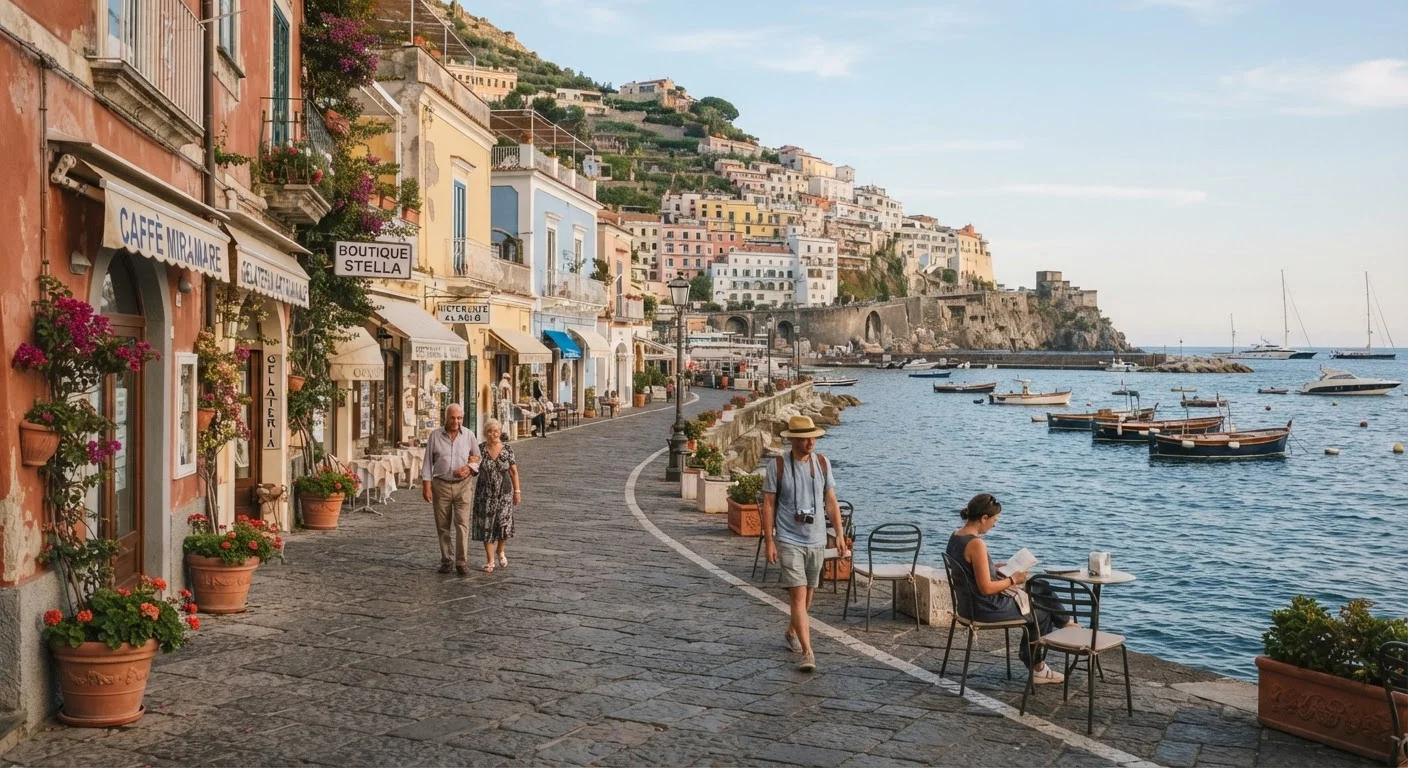
For most destinations, shoulder season occurs twice a year - once in the weeks just before the main tourist rush begins, and again in the weeks immediately after it ends. A coastal European destination, for example, might see shoulder season in May and again in September, bracketing the crowded July-August peak.
Crucially, shoulder season isn't a universal calendar date. A beach destination in Thailand has completely different peak and shoulder windows than a ski resort in Colorado or a city like New Orleans during Mardi Gras. Every destination has its own rhythm, shaped by climate, school breaks, and the types of travelers it typically attracts.
Shoulder Season Dates Vary by Destination
There's no standard definition of when shoulder season starts and ends - it differs by destination, market, and even property type. A boutique hotel in a tourist town may follow slightly different pricing cycles than a major chain in the same city. Always verify by checking actual prices across your target travel window rather than relying solely on general guidance.
Why Shoulder Season Can Work in Your Favor
The financial case for shoulder season is straightforward: lower demand means suppliers - airlines, hotels, tour operators - compete harder for your booking. That competition shows up as lower prices, better availability, and sometimes upgraded value at the same price point.
20-40%
Typical hotel price reduction vs. peak season
Industry pricing analyses consistently show accommodation rates drop by this range during shoulder periods at major international destinations, though variation by destination and property type is significant.
2x
Longer average wait times at peak vs. shoulder
Visitor experience research at major European attractions has found queue times can roughly double or more during peak summer months compared to shoulder periods in spring or fall.
Beyond cost, shoulder season often delivers a qualitatively better experience. Museums don't require timed entry booked weeks in advance. Restaurants have open tables. The photos you take don't feature a crowd of strangers in the foreground. If you've ever stood in a two-hour line at a major attraction during peak season, the appeal of showing up on a quiet Tuesday in October becomes obvious.
Weather during shoulder season is frequently underestimated. Early fall in Mediterranean Europe, late spring in Japan, or the shoulder months at many Caribbean destinations can offer comfortable temperatures and lower humidity - sometimes genuinely nicer conditions than the heat-saturated peak period. That said, this isn't universal, and weather variability does increase, so checking historical climate data for your specific destination and month matters.
For more on building a trip around these timing considerations, see when to book flights, hotels, and activities.
The Trade-Offs Worth Knowing
Shoulder season isn't a free lunch. Depending on the destination, you may encounter some genuine limitations.
- Reduced operating hours: Some seasonal businesses - beach bars, boat tours, mountain lifts - scale back operations or close entirely in shoulder period. Verify in advance that the activities central to your trip are running.
- Weather variability: Shoulder season often sits in transitional weather periods. Rain, wind, or unseasonal cold is more plausible than during peak. Pack accordingly and build some flexibility into your plans.
- Fewer flight options: Airlines sometimes cut routes or reduce frequency in shoulder and low seasons, which can mean fewer direct flights or less convenient schedules.
- Local holidays can spike prices: A national holiday or major local event during what's technically shoulder season can temporarily push prices back toward peak levels. Check the local event calendar for your specific travel dates.
None of these trade-offs are dealbreakers - they're just variables to factor in. A well-researched shoulder season trip typically delivers far more than a poorly timed peak season one, even with the occasional unpredictability.
It also helps to understand the full picture of what a trip costs before committing to dates. Our guide to the real cost of a budget trip covers the overlooked expenses that can erode savings regardless of when you travel.
Check Local Calendars Before You Book
Even within shoulder season, a national holiday, local festival, or major sporting event can temporarily push accommodation prices back toward peak levels. A quick search of the destination's event calendar for your specific travel dates takes five minutes and can prevent a pricing surprise.
How to Put Shoulder Season to Work
Using shoulder season effectively comes down to a few practical steps:
- Research your destination's specific calendar. Identify when the peak season actually runs - not just what feels conventional. Look at hotel pricing patterns across the year, not just general travel advice.
- Check what's operating. Confirm that the key attractions, restaurants, and experiences you want are available during your shoulder window, not just in peak.
- Be flexible within the window. Within shoulder season itself, weekdays are usually quieter and cheaper than weekends. Avoid overlapping with school breaks or major local events unless that's part of the appeal.
- Book strategically. You have more flexibility than in peak season, but don't assume everything will be available last-minute. For popular accommodations or guided experiences, booking a few weeks out is still sensible.
For travelers focused on flights specifically, the same demand logic applies - timing your search and booking window thoughtfully can amplify the savings that shoulder season already provides. See our practical framework for finding low fares for more on that.
Shoulder season rewards travelers who do a little upfront research. The payoff - lower costs, lighter crowds, and a more relaxed experience - consistently makes that preparation worthwhile.