
What Sets These Three Apart
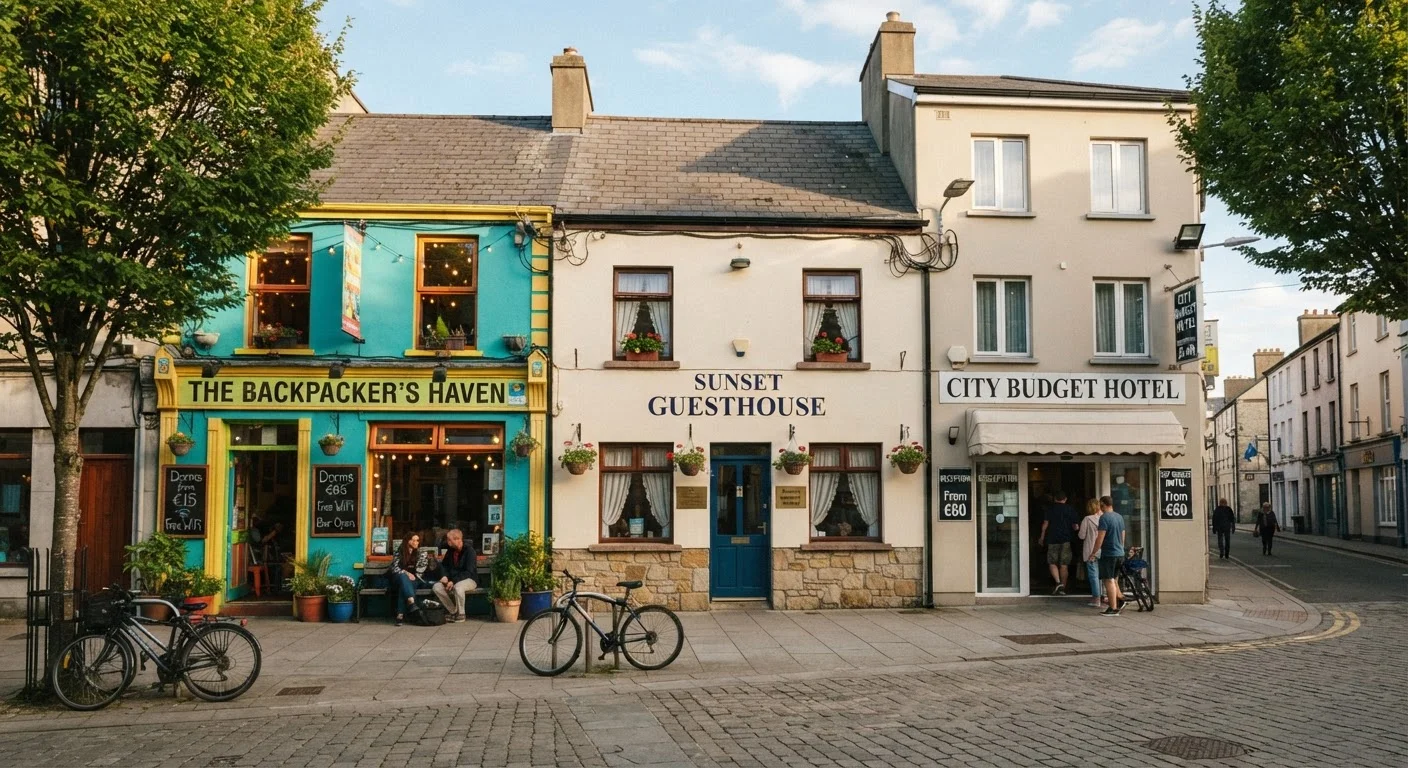
When most travelers search for affordable accommodation, they encounter hostels, guesthouses, and budget hotels listed side by side - often at overlapping price points. The labels can be misleading. A guesthouse in Southeast Asia may cost less than a hostel dorm in Western Europe. Understanding what each category actually delivers - structurally, socially, and in terms of service - matters more than the price tag alone.
Before you book, it helps to think through what you're actually paying for and what you're giving up. If you're still mapping out what accommodation fits into your overall travel spend, our guide on overlooked budget travel costs covers the line items travelers most often underestimate.
| Hostels | Guesthouses | Budget Hotels | |
|---|---|---|---|
| Typical price range | Lowest (dorm beds) | Low to mid | Mid (above hostels) |
| Privacy | Minimal (shared dorms) | Moderate (private rooms) | High (private room + bath) |
| Bathroom setup | Usually shared | Mixed - shared or private | Almost always private |
| Social atmosphere | High - built-in community | Personal but quieter | Low - transactional |
| Consistency of standards | Variable by property | Highly variable | More predictable |
| Breakfast included | Rarely | Often | Sometimes - check listing |
| Best suited for | Solo travelers, backpackers | Couples, cultural explorers | Business travelers, families |
| Local character | Moderate | High | Low |
Hostels: Low Cost, Shared Trade-Offs
Hostels trade privacy for price. Dorm beds - typically shared among 4 to 12 people - represent the floor of accommodation costs in most markets. Private rooms in hostels exist but often approach budget hotel rates, making the value case narrower.
What hostels do well: communal spaces, social energy, and built-in networks of other travelers. Many operate bars, organize walking tours, or run notice boards for rideshares. For solo travelers or long-term backpackers, the social infrastructure has real value that doesn't show up on a booking platform.
What they don't advertise: noise, variable cleanliness, and the unpredictability of bunkmates. Lockers are standard but often require your own padlock. Towels and linens are sometimes an add-on cost. Bathrooms are almost always shared. Sleep quality in a busy dorm on a Friday night is genuinely different from a quiet Tuesday.
Read Reviews Dated Within Six Months
For all three accommodation types, recent reviews matter more than overall scores. Ownership changes, renovation projects, and seasonal staffing all affect day-to-day quality in ways that aggregate ratings don't capture quickly. Look specifically for mentions of cleanliness, noise levels, and Wi-Fi reliability - the details most likely to affect your stay.
Hostels work best for flexible itineraries where you can move on if a property disappoints. If your trip relies on consistent sleep and a fixed schedule, factor that into your decision.
Guesthouses: Local Character, Variable Standards
Guesthouses - sometimes called pensions, B&Bs, or family-run inns depending on the region - are typically owner-operated properties with fewer than 20 rooms. That small scale is both their strength and their limitation.
The upside is personalization. Owners often provide local restaurant recommendations, help with onward transport, or include a home-cooked breakfast that would cost more at a café. In many destinations, guesthouses occupy interesting buildings - courtyard homes, colonial townhouses, traditional farmhouses - that chain hotels can't replicate.
The downside is inconsistency. There's no brand standard enforcing room quality, Wi-Fi reliability, or check-in hours. A guesthouse rated well two years ago may have changed ownership or declined in upkeep. Reading recent reviews and cross-referencing multiple platforms is more critical here than with larger properties. Cancellation policies also vary widely - something worth reviewing before you commit, especially if your plans are fluid. Our piece on flexible vs. fixed booking approaches walks through that trade-off in detail.
Budget Hotels: Predictable, Private, Mid-Range
Budget hotels occupy the middle ground: more standardized than guesthouses, more private than hostels. Major chains operate in this segment, as do independent properties that compete on price by trimming amenities rather than space or cleanliness.
You get a private room, a private bathroom (almost always), and a reception desk with defined hours. Breakfast may or may not be included - check before assuming. Wi-Fi is standard. Air conditioning is common in warmer markets but not universal. What you typically don't get: a restaurant on-site, room service, a fitness center, or a concierge.
Budget hotels suit travelers who want a reliable base without surprises. Business travelers on lean expense accounts, couples who want privacy, and families who need predictable bedding arrangements all fit this profile. The trade-off versus a guesthouse is character - budget hotel rooms can feel generic. The trade-off versus a hostel is cost - you'll pay meaningfully more per night for that private space.
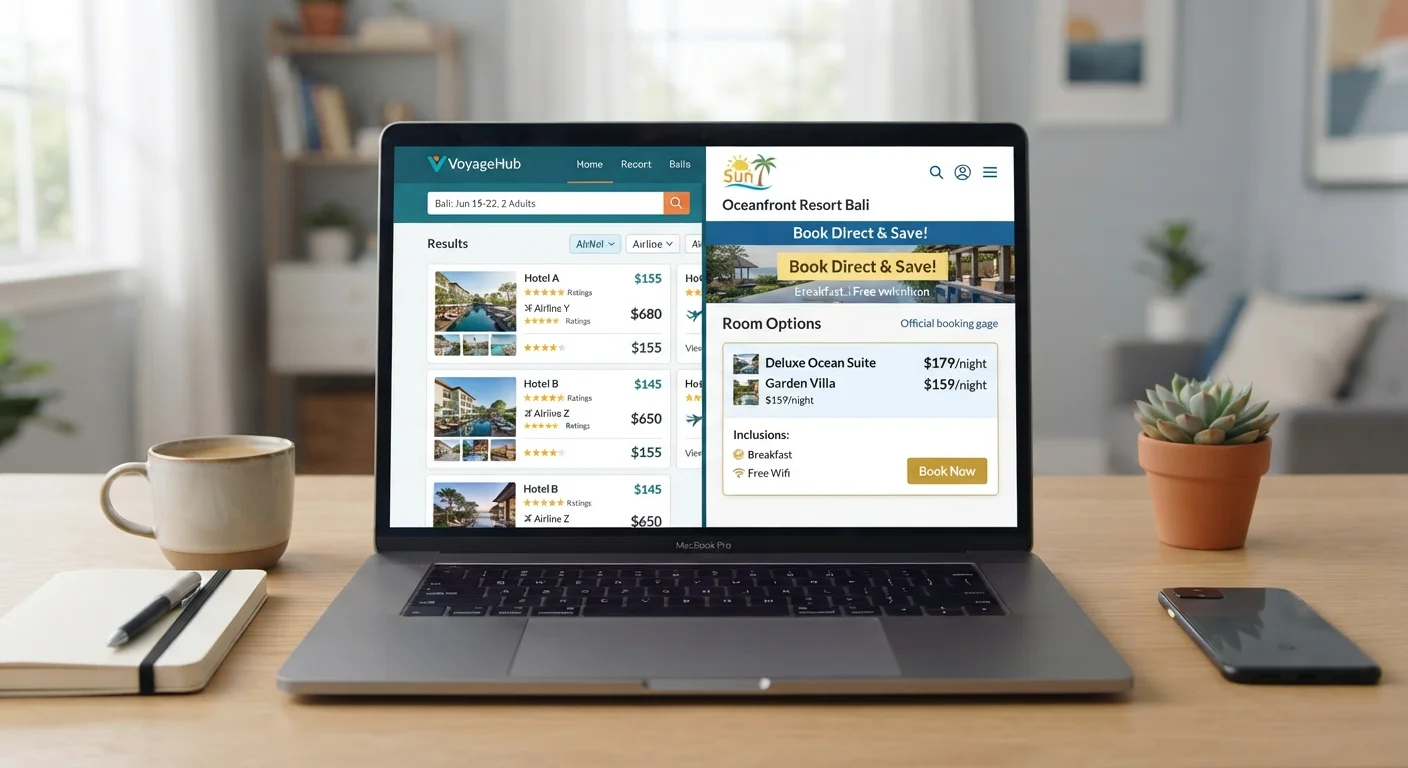
How you book also affects the final cost. Booking direct versus using an aggregator can change the cancellation terms, included extras, and the price you actually pay - worth comparing before confirming any reservation.
Making the Call for Your Trip
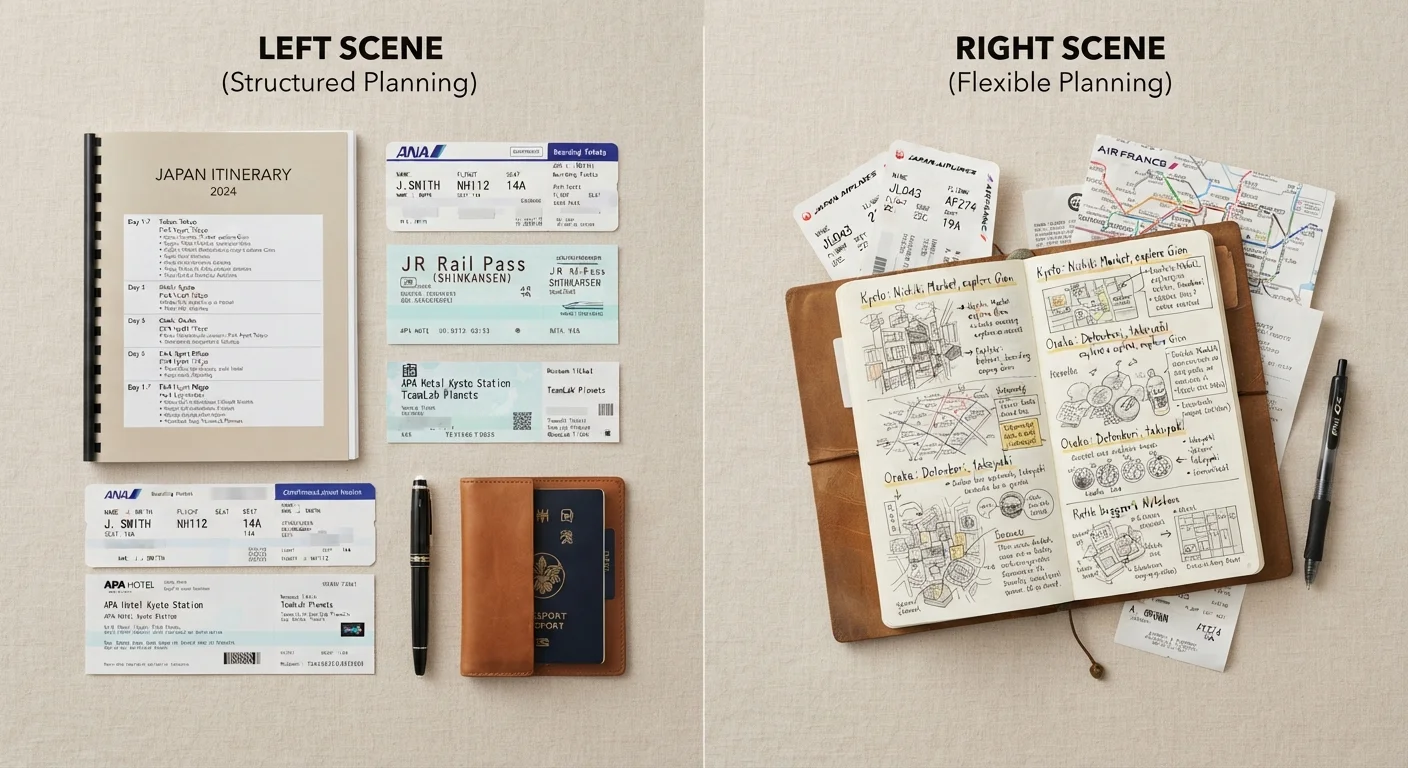
The right accommodation type isn't fixed across an entire trip. Many experienced travelers mix formats: hostels in high-cost cities where they'll spend little time in the room, guesthouses in destinations where local knowledge adds value, budget hotels when they need reliable sleep before an early flight.
Destination matters too. In some regions, guesthouses are the dominant affordable option; in others, hostels are rare or budget hotels are competitively priced enough to make dorms unnecessary. Understanding a destination's actual cost structure - not just its reputation as cheap or expensive - is part of smart planning. Our article on why destination affordability is more complex than it looks is useful context here.
When evaluating any option, look at the all-in cost: nightly rate plus any mandatory fees, expected add-ons (breakfast, lockers, towels), and how location affects what you'll spend on local transport. Accommodation is one category in a larger travel budget - the full picture of budget travel costs rarely stops at the room rate.