
How the Grain-Free Trend Took Hold
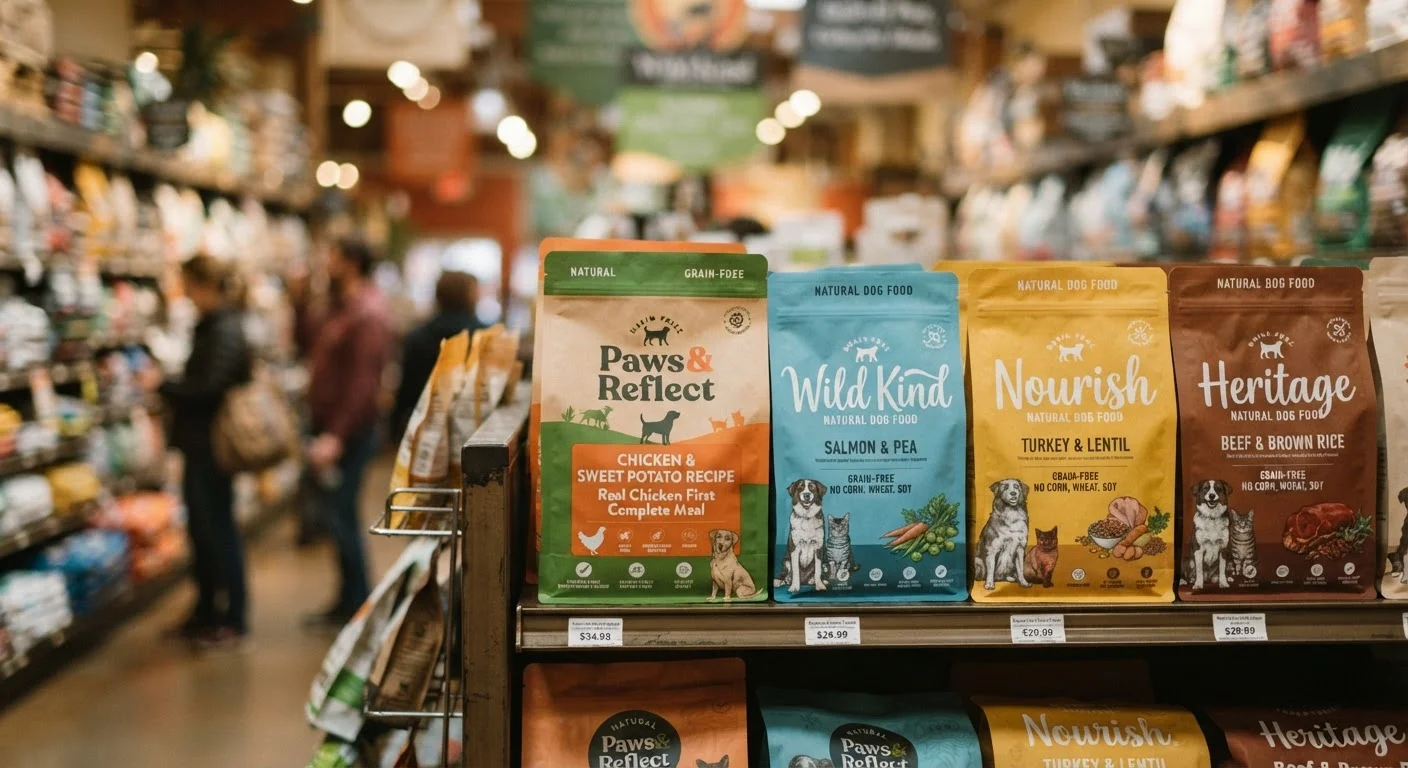
Grain-free pet foods surged in popularity through the 2010s, fueled by a parallel human wellness trend that positioned grains - particularly wheat and corn - as inflammatory or nutritionally inferior. Pet food marketing seized on this sentiment, framing grain-free formulas as more "natural" or closer to a wild ancestor's diet. The logic appealed to well-meaning owners.
The problem: that logic doesn't hold up well under scientific scrutiny. Dogs have evolved alongside humans for thousands of years and have developed genetic adaptations for starch digestion that wolves lack. Cats, while obligate carnivores with limited carbohydrate metabolism, are not harmed by modest grain inclusion in complete, balanced commercial diets. The marketing mythology around grain-free pet food runs deep and is worth examining critically before changing your pet's diet.
The DCM Investigation: What the Science Currently Shows
In 2018, the U.S. Food and Drug Administration (FDA) opened an investigation into a potential association between grain-free diets and dilated cardiomyopathy (DCM) - a serious heart condition - in dogs. The diets flagged were predominantly high in legumes (peas, lentils, chickpeas) and potatoes, which had replaced grains as the primary carbohydrate source.
The proposed mechanism involves taurine, an amino acid critical to cardiac function. Certain ingredients common in grain-free formulas may interfere with taurine synthesis or bioavailability in dogs. Importantly, the FDA investigation has not established a definitive causal link, and research is ongoing. However, veterinary cardiologists and nutritionists have broadly recommended caution, particularly for large and giant breeds already predisposed to DCM.
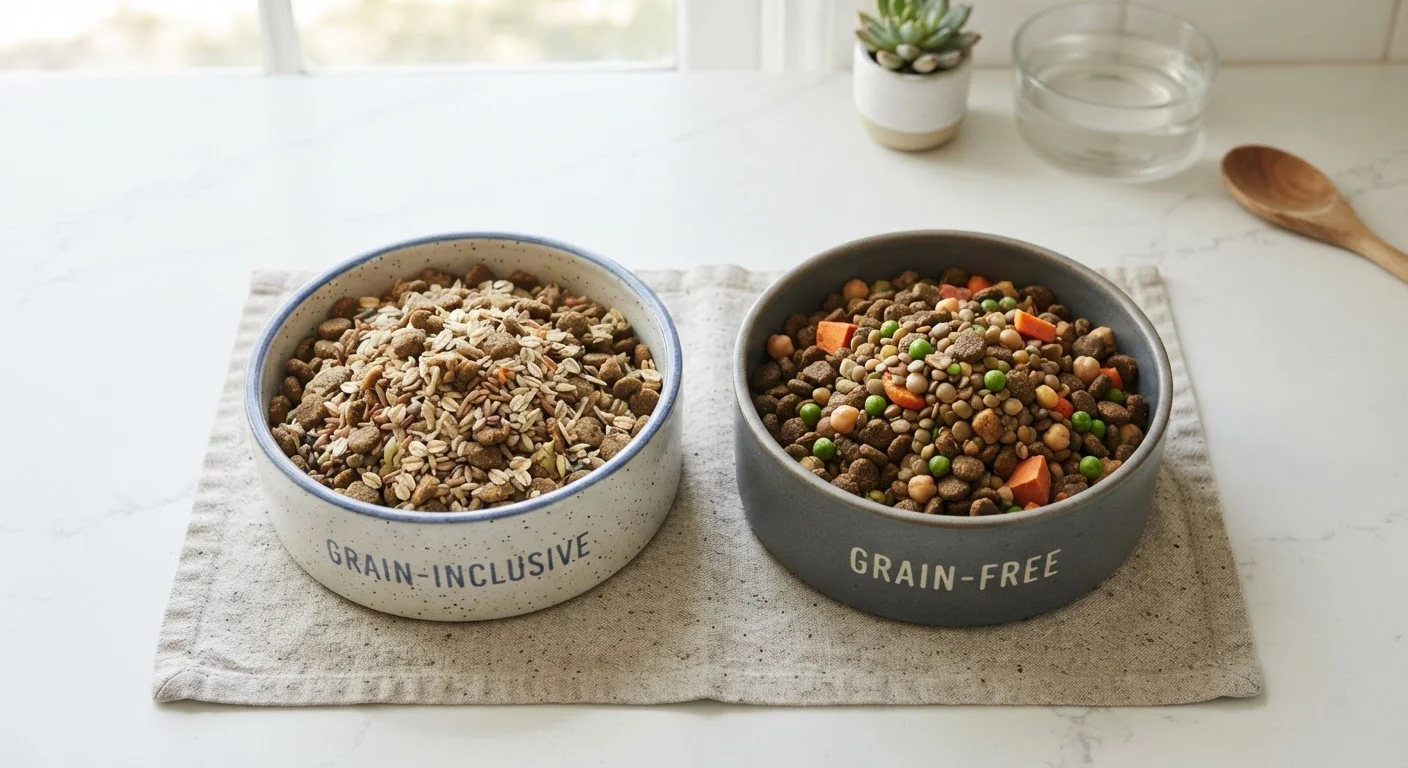
| Criterion | Grain-Free Diets | Grain-Inclusive Diets |
|---|---|---|
| Primary carbohydrate source | Legumes, potatoes, tapioca | Rice, oats, barley, corn, wheat |
| Long-term safety data | Limited; under active investigation | Extensive; decades of feeding trials |
| Cardiac risk (DCM) concern | Under FDA investigation since 2018 | No flagged association to date |
| Grain allergy necessity | Marketed broadly; rarely medically required | Appropriate for most pets without diagnosed allergy |
| Taurine availability | Potentially reduced by high legume content | Generally well-supported by ingredient mix |
| AAFCO compliance availability | Available, but verify feeding trial basis | Widely available with feeding trial substantiation |
This does not mean grain-free diets cause heart disease in all dogs - correlation is not causation, and many variables remain under study. But it is a legitimate, evidence-informed reason to approach grain-free formulas with care rather than enthusiasm.
Understanding What Grains Actually Contribute
Grains in pet food - including rice, oats, barley, and corn - are not nutritional fillers in the pejorative sense often implied by marketing. They contribute digestible carbohydrates for energy, dietary fiber for gut health, and in some cases meaningful amounts of protein and essential fatty acids. Brown rice, for example, is highly digestible and well-tolerated by the vast majority of dogs.
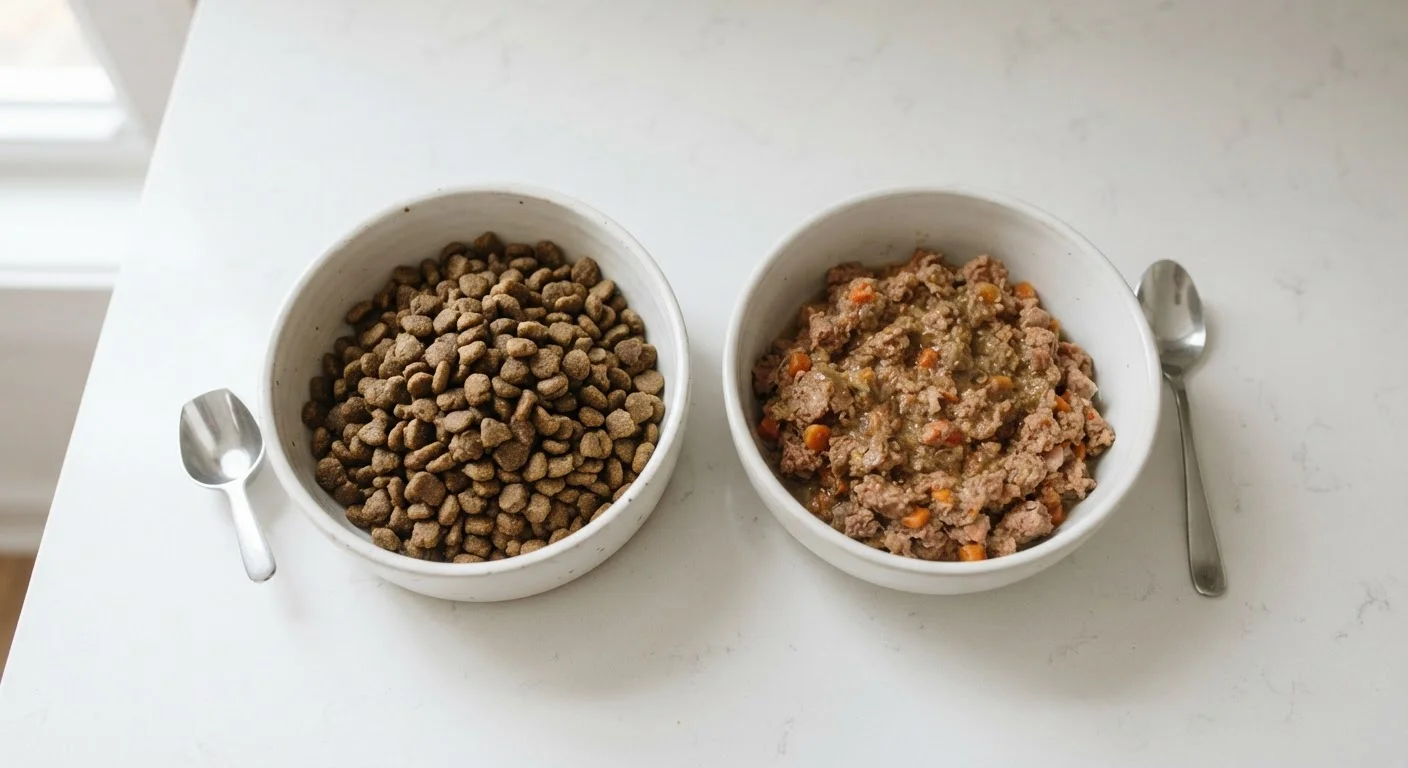
True grain allergies in pets are uncommon. Veterinary dermatologists consistently report that the most common dietary allergens for dogs are animal proteins - beef, dairy, chicken, and lamb - not grains. If your pet has suspected food sensitivities, an elimination diet trial supervised by your vet is the appropriate diagnostic path, not a preemptive switch to grain-free. For a broader look at how diet format choices interact with nutritional completeness, see our comparison of dry kibble versus wet food.
What 'Grain-Free' Does Not Mean
A grain-free label does not mean low-carbohydrate. Many grain-free formulas replace grains with starchy legumes or root vegetables and carry a comparable or even higher total carbohydrate load than grain-inclusive alternatives. Owners seeking a low-carb diet for metabolic reasons should check the guaranteed analysis and consult a veterinary nutritionist, not simply reach for a grain-free product.
Making a Well-Informed Choice for Your Pet
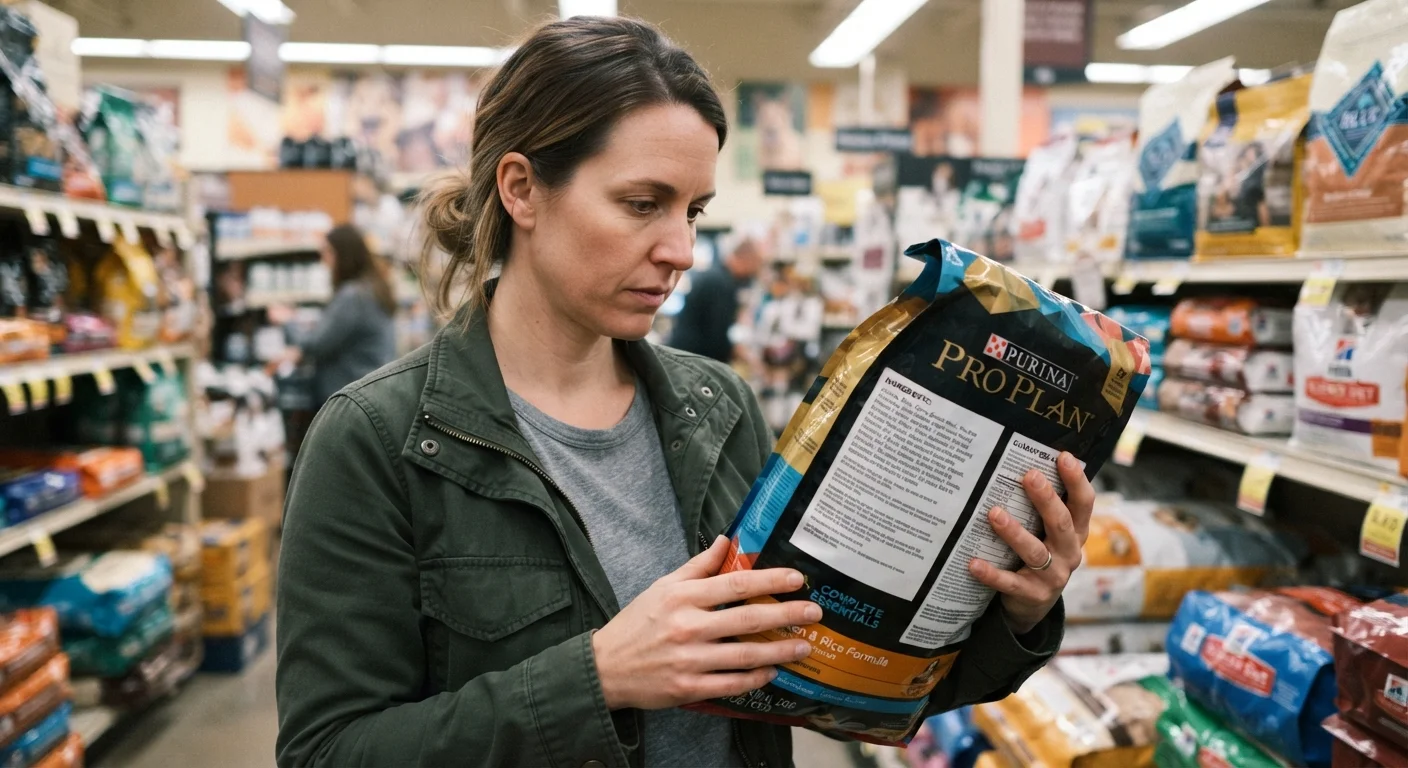
Neither diet category is inherently right or wrong for every pet. What matters is nutritional completeness, formulation quality, and appropriateness for your individual animal's health status, age, and breed. Look for diets that carry an AAFCO (Association of American Feed Control Officials) nutritional adequacy statement, preferably one substantiated by feeding trials rather than just nutrient analysis.
Before switching your pet's food - particularly to a grain-free formula - discuss the decision with your veterinarian. If you're evaluating a new diet from scratch, our practical checklist for evaluating new pet foods walks through the key questions to ask. For context on the broader spectrum of dietary approaches, the Pet Health & Wellness hub covers nutrition alongside other pillars of preventive care.
This article is for general informational and educational purposes only. It does not constitute veterinary or medical advice. Always consult a licensed veterinarian before making significant changes to your pet's diet, especially if your pet has existing health conditions.