

What Most People Already Know - and What They Miss
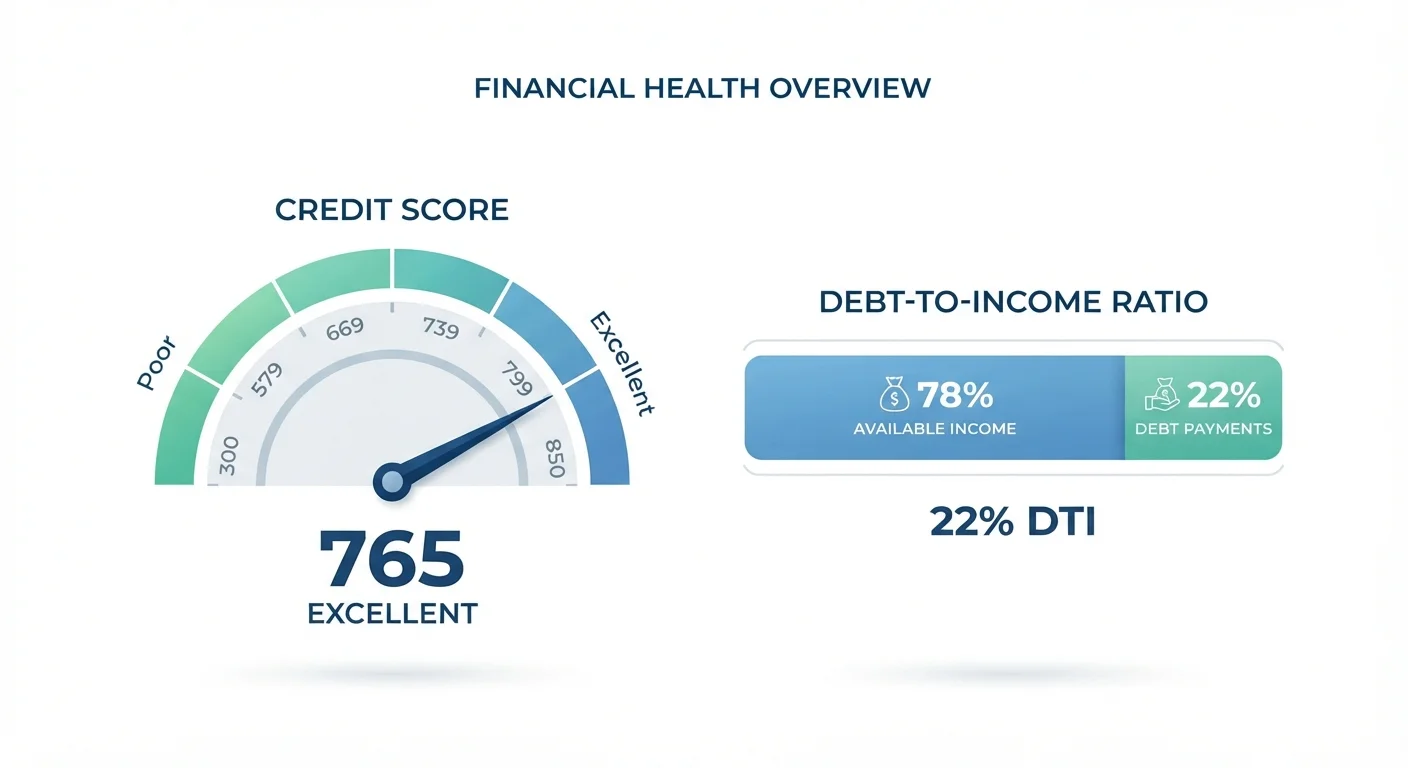
Most adults are aware of the two biggest credit score drivers: whether you pay on time, and how much of your available credit you're using. Together, payment history and credit utilization account for roughly two-thirds of a typical FICO score. But the remaining third - and the nuances buried inside those top two categories - is where many people lose points without understanding why.
Scoring models are more granular than a simple pass/fail system. Factors like the age of your accounts, the types of credit you hold, and even when your balances are reported can all shift your score in ways that feel arbitrary if you don't know the mechanics. Understanding exactly what your credit score measures is a useful starting point before diving into these less-discussed variables.
The list below covers six factors that consistently fly under the radar - and that, once understood, give you a more complete picture of your credit profile.
Scoring Models Vary by Lender
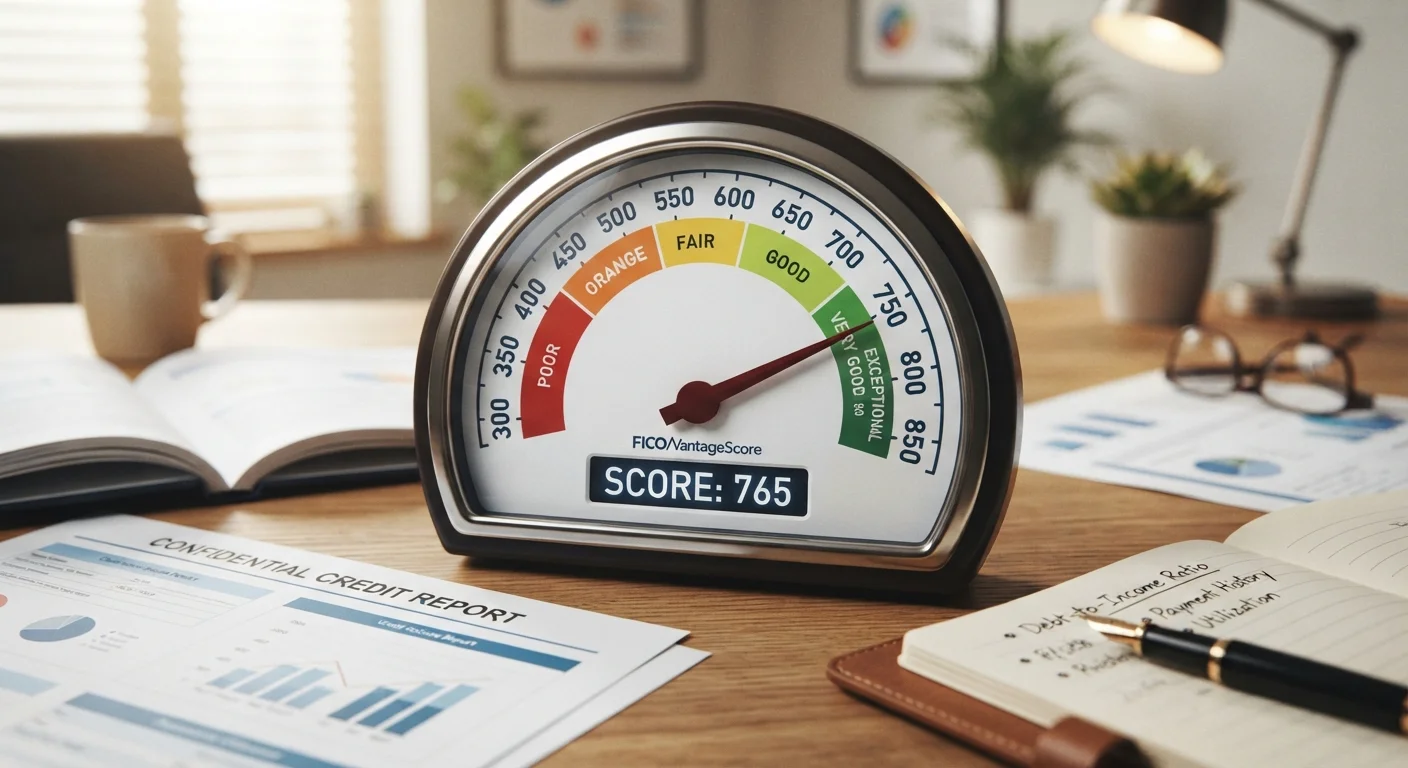
FICO and VantageScore are the two most widely used credit scoring frameworks, and each has multiple versions. Lenders may use different models depending on the type of credit being extended - a mortgage lender may pull a different score than a credit card issuer. The factors described in this article reflect general principles applicable across major models, but the precise weighting can vary. When in doubt, consult a licensed financial professional about how your specific credit profile may be evaluated.
Six Factors Worth Knowing About
The Age of Your Oldest Account
Credit age - specifically the age of your oldest open account - contributes to the length of credit history category, which makes up roughly 15% of a FICO score. Closing an old account you no longer use might seem like smart housekeeping, but it can shorten your average account age and lower your score. The effect may not show immediately, but it can surface over months as the closed account eventually disappears from your report.
Keeping older, low-fee accounts open - even if they sit largely unused - is generally preferable to closing them, provided they carry no annual cost that outweighs the benefit.
Closing an old account can shorten your credit history and quietly drag your score down.
Your Credit Mix
Lenders and scoring models tend to view borrowers more favorably when they can responsibly manage different types of credit. This category - called credit mix - typically accounts for around 10% of a FICO score. It rewards having a combination of revolving credit (such as credit cards) and installment loans (such as auto loans or student loans).
This doesn't mean you should open accounts you don't need. But if you only have one type of credit product, understand that the absence of variety may limit how high your score can climb, all else being equal.
A diverse mix of credit types signals responsible borrowing to scoring models.
Hard Inquiries From Applications
Each time you apply for new credit - a card, a loan, a line of credit - the lender typically performs a hard inquiry on your report. Each hard inquiry can shave a small number of points off your score, and multiple inquiries in a short period can compound that effect. Hard inquiries generally remain on your report for two years, though their scoring impact diminishes after about twelve months.
Rate-shopping for a mortgage or auto loan is treated differently: most scoring models bundle multiple inquiries of the same type made within a short window (typically 14-45 days) into a single inquiry for scoring purposes. Credit card applications do not receive this same grace.
Multiple credit card applications in a short period can stack up to a meaningful score drop.
Authorized User Accounts
Being added as an authorized user on someone else's credit card account means that account's history - its age, payment record, and utilization - can appear on your credit report. This can work in your favor if the primary cardholder maintains a clean record, or against you if they carry high balances or miss payments.
Many people don't realize this relationship flows both ways: it can build credit for someone with a thin file, but it can also introduce risk if the primary account deteriorates. Review your report periodically to see which authorized user accounts are appearing and how they're influencing your overall profile. Our guide on reading your credit report walks through how to identify these entries.
An authorized user account can help or hurt your score depending on the primary holder's behavior.
The Timing of When Balances Are Reported
Credit card issuers typically report your balance to the credit bureaus once per billing cycle - usually around your statement closing date, not your payment due date. This means even if you pay your balance in full each month, a high balance could still be reported if it was captured before your payment posted.
If you're actively managing your credit utilization ratio - which has a significant influence on your score - paying down your balance before the statement closes, rather than just before the due date, can help lower the figure that actually gets reported. For a deeper look at how utilization ratios work, see how credit utilization quietly drives your score.
Your reported balance is a snapshot in time - timing your payments can change what the bureaus see.
Public Records and Civil Judgments
Beyond late payments and defaults, certain public records can appear on your credit report and damage your score significantly. These include things like bankruptcies and, in some cases, civil judgments - though the presence and treatment of these items has evolved as the major bureaus have updated their reporting standards over time.
A bankruptcy can remain on a credit report for seven to ten years depending on the chapter filed. While these items are not always within immediate control once filed, understanding their presence helps you set realistic recovery timelines. Many people overlook checking for errors in this section - mistakes do occur and can be disputed. See our walkthrough on reading your credit report without getting lost for guidance on spotting inaccuracies.
Public records like bankruptcy can linger on your report for up to a decade and carry heavy scoring weight.
Check Your Report Regularly for Surprises
Many of the factors on this list - authorized user accounts, hard inquiries, public records - are easy to overlook simply because people don't check their reports often enough. Consumers are entitled to free reports from each of the three major bureaus through AnnualCreditReport.com. Reviewing your report at least once per year can help you catch errors and understand what's actually being scored.
Putting It All Together
Credit scores reward informed, consistent behavior over time - not quick fixes. Understanding these lesser-known factors doesn't mean you need to micromanage every detail of your financial life, but it does mean you can make smarter decisions when they matter: before applying for a loan, before closing an old account, or before agreeing to become an authorized user.
For context on the beliefs that lead people astray, exploring common credit myths can help separate fact from fiction. And if you're looking to build sustainable habits around your credit profile, consistent practices that strengthen credit over time offers practical, durable guidance.
This article is for general informational and educational purposes only and does not constitute personalized financial or credit advice. Consult a qualified financial professional for guidance specific to your situation.