

Why Habits Matter More Than One-Time Fixes
A strong credit profile isn't built through a single action - it's the cumulative result of decisions made consistently over months and years. Credit scoring models, including the widely used FICO and VantageScore frameworks, are designed to evaluate your patterns of behavior, not just a snapshot. That design has an important implication: sustainable improvement comes from durable habits, not quick interventions.
Many people search for shortcuts - paying off a single card, disputing one item - and while those steps can help, they work best as part of a broader routine. The good news is that the habits most associated with a healthy credit profile are also straightforward to understand, even if they take discipline to maintain.
If you've encountered persistent misconceptions about what does and doesn't affect your score, it's worth reviewing credit myths that keep people in the dark before building your approach around faulty assumptions.
Pay every bill on or before its due date, every month without exception.
Payment history typically accounts for roughly 35% of a FICO score - the largest single factor. Even one missed payment can remain on your credit report for up to seven years, and its negative effect is felt most acutely in the months immediately following the missed payment.
Keep your credit utilization ratio below 30% - and ideally below 10% - on each card and in total.
Utilization measures how much of your available revolving credit you're using. High utilization signals financial stress to scoring models, even if you pay in full each month. Because utilization is recalculated each cycle, reducing balances can improve your score relatively quickly.
Avoid applying for multiple new credit accounts in a short window.
Each hard inquiry - generated when a lender reviews your file for a new application - can temporarily lower your score by a small amount. Multiple inquiries within a short period can signal financial strain. Clustering applications makes the effect more pronounced.
Maintain a diverse mix of credit types over time.
Scoring models consider whether you've responsibly managed different types of credit - such as revolving accounts (credit cards) and installment loans (auto, student, mortgage). A well-managed mix can modestly support your score, though it's a secondary factor compared to payment history.
Review your credit reports at least once a year for errors or unauthorized accounts.
Inaccuracies on credit reports - including accounts that don't belong to you, incorrectly reported late payments, or outdated balances - can depress your score without your knowledge. Errors are more common than many people assume, and they don't correct themselves.
The Core Practices That Drive Long-Term Credit Health
The following habits are grounded in how major credit scoring models actually weight behavior. Prioritize these consistently, and your profile tends to reflect that over time.
For a deeper look at factors that extend beyond these fundamentals, see lesser-known factors that affect your credit score - several of which surprise even financially engaged adults.
Protecting What You've Built
Maintaining a credit profile isn't only about adding positive history - it's also about avoiding actions that silently undo it. Two common mistakes stand out.
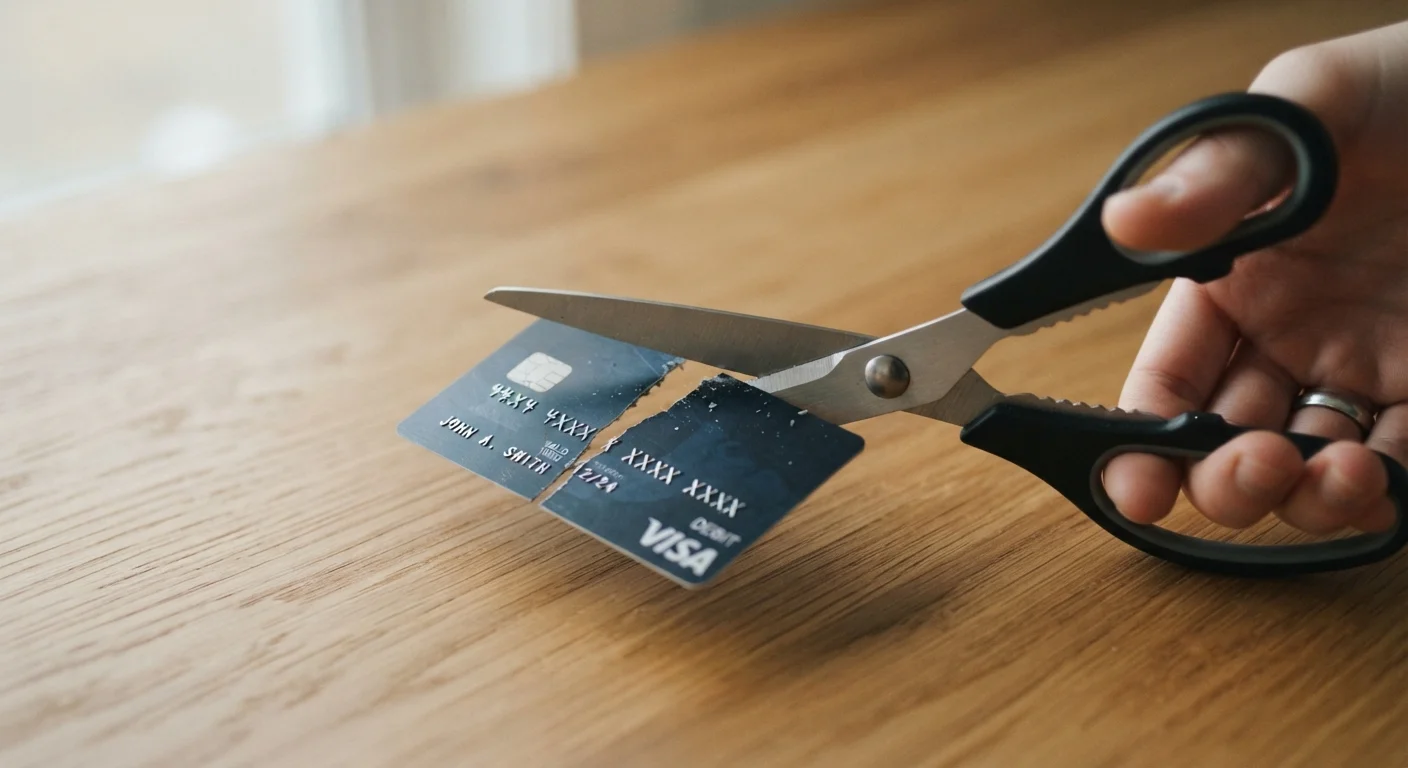
First, closing old accounts to simplify your wallet can reduce your total available credit and shorten your average account age - both of which can pull your score lower. Closing old credit cards can backfire in ways that aren't immediately obvious. If an old card has no annual fee, keeping it open and using it occasionally for a small purchase is generally the better approach.
Second, neglecting to check your credit reports regularly leaves room for errors or fraudulent accounts to go undetected. Under federal law, you're entitled to a free report from each of the three major bureaus periodically - use that access. Disputing inaccuracies promptly prevents small errors from compounding over time.
~35%
Share of FICO score tied to payment history
According to FICO's published scoring model breakdown, payment history is the single largest component of a standard FICO score.
1 in 5
Consumers with a credit report error
A Federal Trade Commission study found that approximately one in five consumers had a verified error on at least one of their three major credit bureau reports.
It's also worth recognizing that credit habits and savings habits reinforce each other. When you have a savings and emergency fund in place, you're less likely to rely on high-balance revolving credit during an unexpected expense - which directly protects your utilization ratio.
This article provides general financial education and is not personalized financial, credit, or legal advice. For guidance specific to your circumstances, consult a qualified financial professional.