

Why Credit Myths Persist - and Why They're Costly
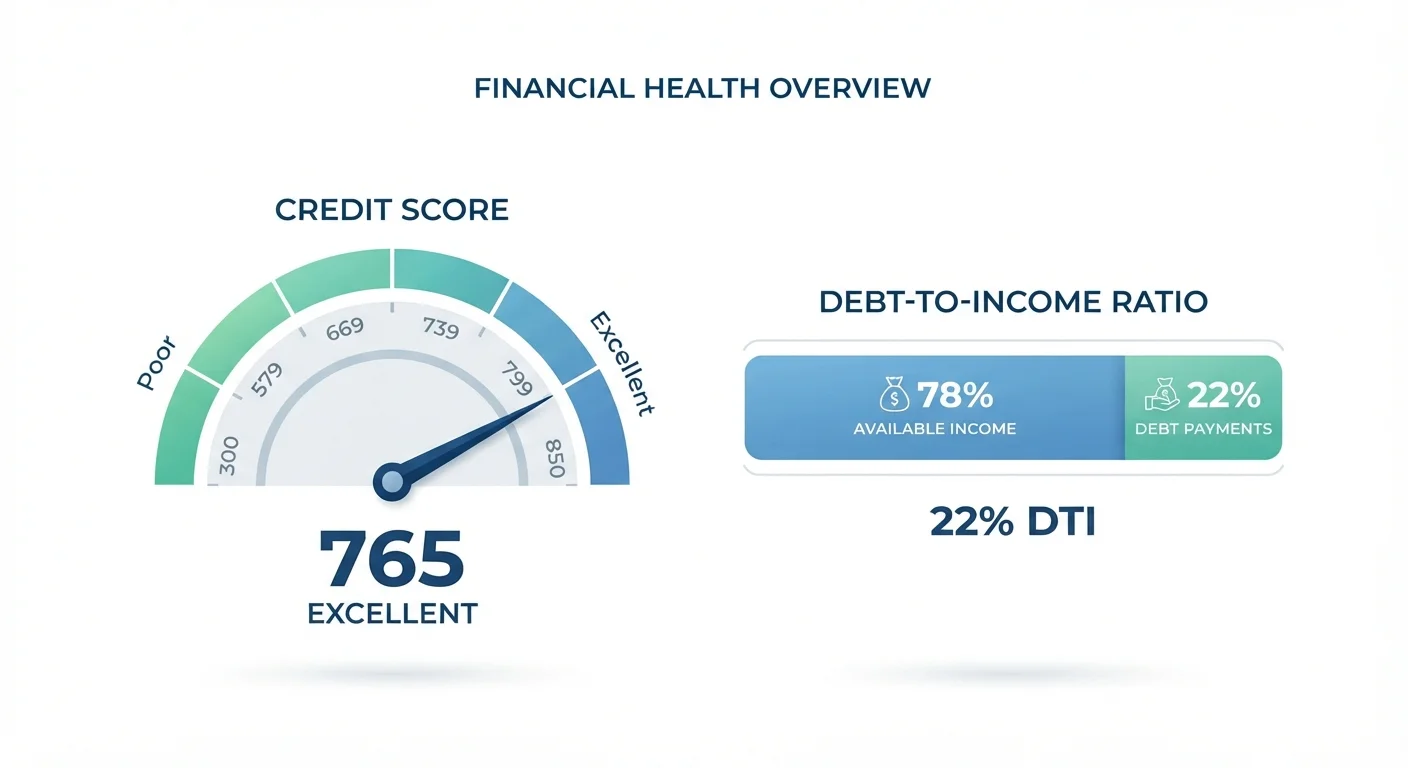
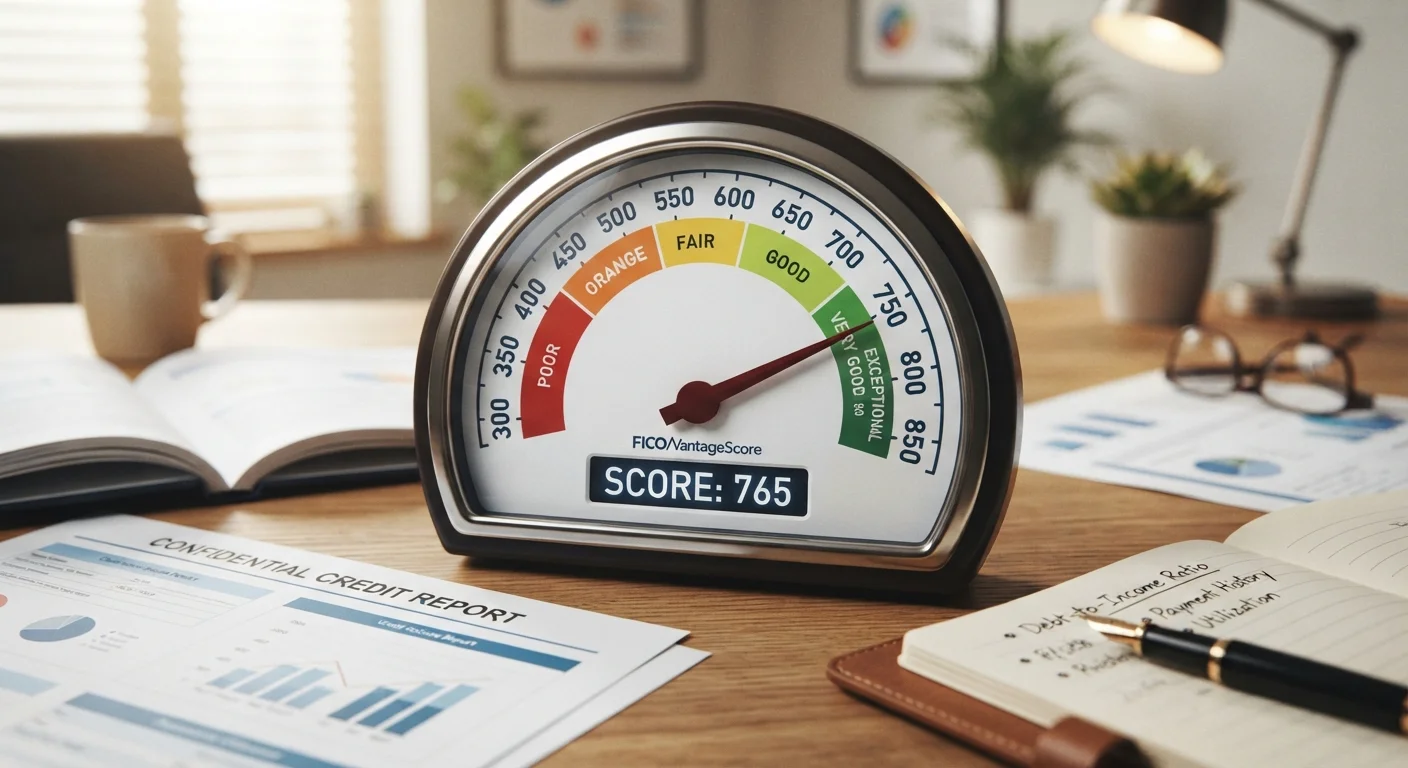
Credit scoring is a system most people interact with constantly but rarely study directly. That knowledge gap creates fertile ground for myths - some passed down as conventional wisdom, others misunderstood from half-correct advice. The consequences are real: people avoid checking their own scores, pay unnecessary interest, or close accounts that were quietly helping them. This article addresses the most widely repeated misconceptions, corrects them with how scoring models actually work, and explains why the distinction matters for your financial decisions.
Myth
Checking your own credit score will lower it.
Fact
Checking your own score is a soft inquiry and has zero impact on your credit.
There are two types of credit inquiries: soft and hard. Soft inquiries - including checking your own score through a bank app, credit monitoring service, or AnnualCreditReport.com - are invisible to lenders and never affect your score. Hard inquiries, triggered when a lender reviews your file to make a credit decision, can cause a small, temporary dip. The two are fundamentally different, and conflating them leads people to avoid monitoring their own credit - the opposite of sound financial behavior. Regular self-checks are actually encouraged, as they help you catch errors early. See how to read your credit report for a practical walkthrough.
Myth
You need to carry a balance to build credit.
Fact
Paying your balance in full each month is just as effective - and saves you interest.
This is one of the most financially costly myths in circulation. Credit scoring models reward on-time payments and low utilization ratios - neither of which requires you to carry a revolving balance month to month. Carrying a balance only generates interest charges that benefit your lender, not your score. What does matter is that your card shows activity and that your reported balance remains a small percentage of your credit limit. Credit utilization - the ratio of balances to limits - is a major scoring factor, and lower is generally better.
Myth
Your income directly affects your credit score.
Fact
Credit scores are calculated entirely from credit behavior - income plays no direct role.
FICO and VantageScore models consider payment history, amounts owed, length of credit history, credit mix, and new credit. Income, employment status, and net worth are not included in these calculations. A high earner with missed payments can have a poor score; a moderate earner with consistent, on-time payments can have an excellent one. Income may appear on credit applications and factor into a lender's broader decision, but it is not a component of the score itself. Understanding what your credit score actually measures clears up this widespread confusion.
Myth
Closing an old, unused credit card is always a smart move.
Fact
Closing an old card can reduce your available credit and shorten your credit history, both of which may hurt your score.
When you close a credit card, two things can happen simultaneously: your total available credit decreases (raising your utilization ratio) and your average account age may drop if the closed card is among your oldest. Both effects can negatively influence your score. Keeping an old card open - even with minimal usage - preserves that credit history and available limit. If annual fees are a concern, consider requesting a product change to a no-fee version rather than outright closure. Closing old cards can backfire in ways many people don't anticipate.
Myth
Paying off a collection account removes it from your credit report.
Fact
A paid collection typically remains on your report for up to seven years from the original delinquency date.
Settling or paying off a collection account is still worthwhile - it stops further collection activity and may improve how lenders view your file - but the account entry itself generally stays on your report until the seven-year reporting window expires. The status changes from "unpaid" to "paid," which is a meaningful improvement, but it does not disappear. Some creditors offer a "pay-for-delete" arrangement, though this is not a guaranteed or standard practice. Always get any such agreement in writing before making payment, and verify your report reflects the agreed-upon change afterward.
Myth
You only have one credit score.
Fact
You have multiple credit scores across different models and bureaus, and they can vary meaningfully.
Equifax, Experian, and TransUnion each maintain separate files on you, and each bureau's data may differ. Beyond that, multiple scoring models exist - FICO alone has dozens of versions tailored for different lending contexts (mortgage, auto, credit card). A score you see through a consumer app is often a VantageScore or a base FICO model, which may differ from the industry-specific score a lender actually pulls. This is why your score can appear different depending on where you check it. Lesser-known factors affecting your score can also explain unexpected discrepancies between versions.
Putting Accurate Credit Knowledge to Work
Correcting these myths isn't just an academic exercise - it changes behavior. When you know soft inquiries are harmless, you monitor your credit consistently. When you understand that carrying a balance costs money without boosting your score, you stop subsidizing lenders unnecessarily. And when you recognize that closing an old card may hurt more than help, you think twice before acting on impulse.
35%
Share of FICO score from payment history
According to FICO's published scoring breakdown, payment history is the single largest factor in a standard FICO score calculation.
30%
Share of FICO score from amounts owed
Amounts owed - including credit utilization - is the second-largest factor, underscoring why carrying high balances relative to your limits matters significantly.
7 years
How long most negative items stay on your report
Under the Fair Credit Reporting Act, most negative entries - including late payments and collections - can remain on a credit report for up to seven years.
Building a stronger credit profile is an ongoing process rather than a single fix. Habits that support a healthier credit profile over time are grounded in understanding how the system actually works - not how people assume it does. If you're evaluating strategies like balance transfers to manage existing debt, it's worth understanding when balance transfers make sense before acting.
This article provides general financial education and is not personalized financial or credit advice. For guidance specific to your situation, consult a qualified financial professional.