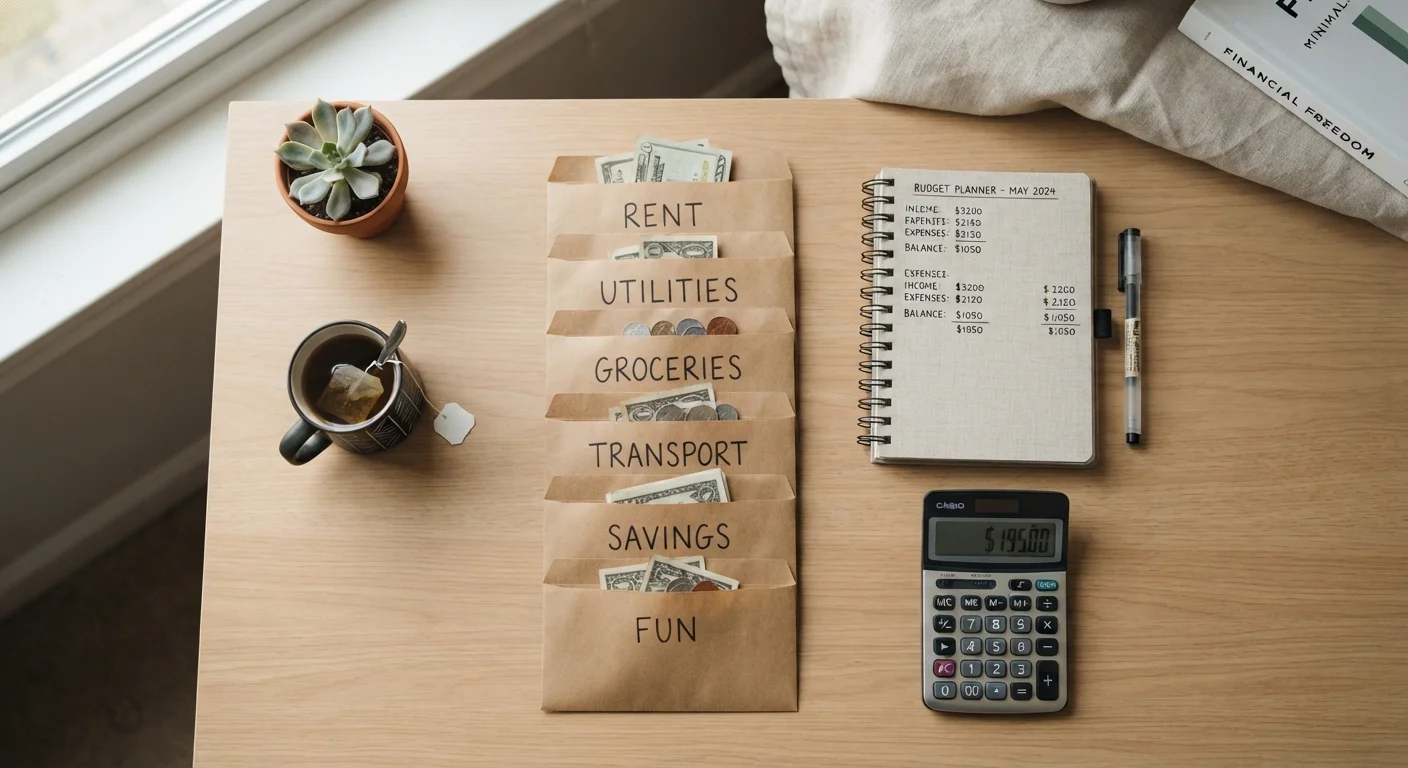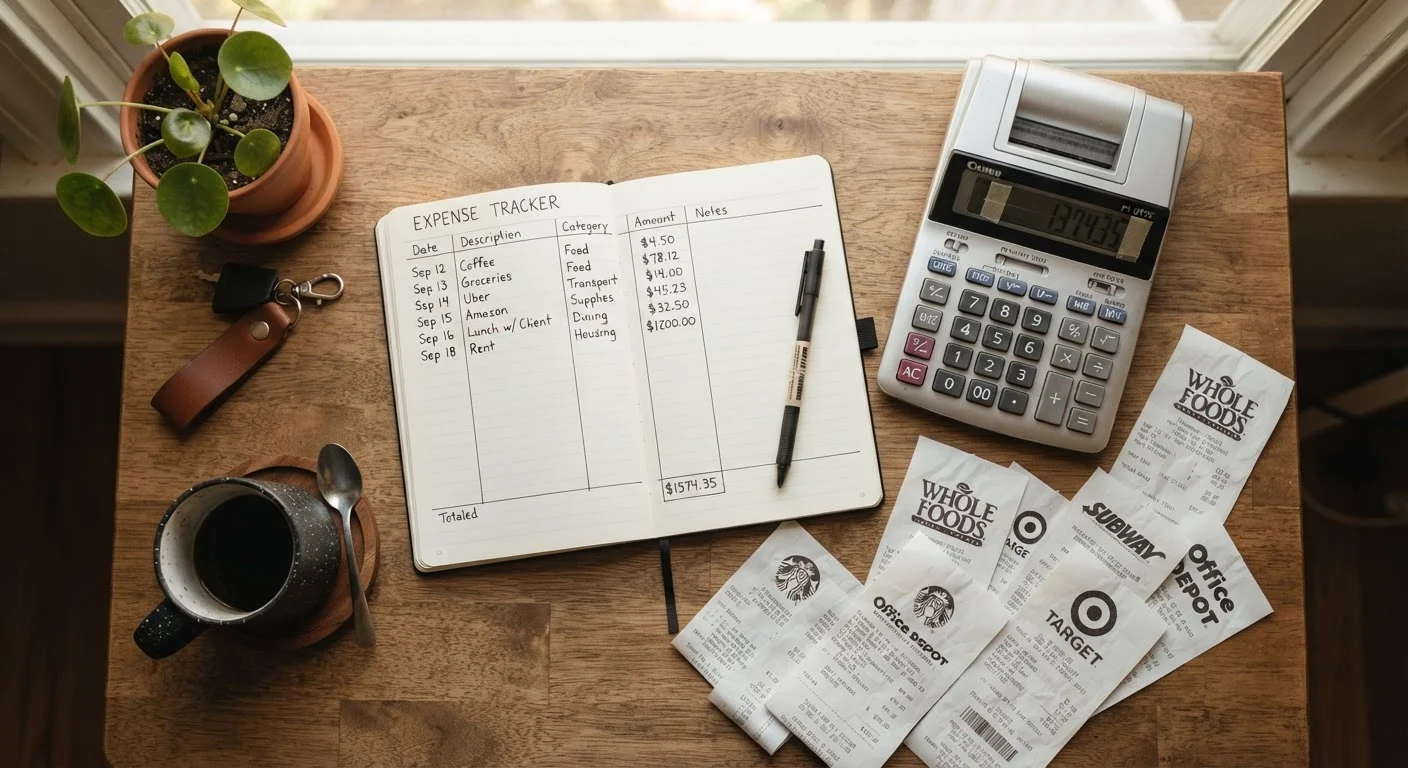


Why Spending Categories Matter
A budget without categories is little more than a wish. Categories turn a vague intention - "spend less" - into a structured system where every dollar has a designated home. They also make patterns visible: you can't address overspending in dining out if it's lumped together with groceries under a single "food" line.
The goal of categorizing isn't to create bureaucracy. It's to give you an honest, room-by-room picture of where money actually flows each month. If you're starting from scratch, this step-by-step budget walkthrough offers a useful companion framework. For a broader philosophical question about how tightly to define those categories, see the case for and against strict budget categories.
Core Household Spending Categories
Most household budgets organize naturally into six broad areas. Below is what each typically includes - and some less obvious line items that often get missed.
Housing
Mortgage or rent, property taxes, homeowners or renters insurance, HOA fees, and routine maintenance. Pest control, lawn care, and minor repairs belong here too. Capital improvements (a new roof, bathroom renovation) are a separate, irregular category worth tracking apart from ongoing maintenance.
Food
Split this into groceries (supermarket runs, farmers' markets, warehouse club food purchases) and dining out (restaurants, cafes, takeout, delivery apps). Keeping them separate is valuable because the two respond differently to behavioral change. Coffee subscriptions and work lunches fall under dining out, not groceries.
Transportation
Car payment or lease, auto insurance, fuel, parking, tolls, and routine maintenance (oil changes, tires). Add rideshare or public transit costs if applicable. Registration fees and annual inspections are easy to forget - divide annual costs by 12 and include them as a monthly line item.
Utilities & Communications
Electricity, gas, water, trash, internet, and cell phone. Streaming services and software subscriptions technically fall here or under Entertainment - consistency matters more than perfection. Pick a home and keep it.
Healthcare
Health insurance premiums (if paid out of pocket), prescription costs, dental and vision, copays, and out-of-pocket medical expenses. Contributions to an HSA or FSA are worth tracking separately as a savings-adjacent line. This is general budgeting information; consult a licensed financial or healthcare professional about coverage decisions specific to your situation.
Personal & Miscellaneous
Clothing, haircuts, gym memberships, personal care products, and household supplies (cleaning products, paper goods). This category tends to grow without oversight - a spending audit often reveals surprising totals here.
Sinking fund
A savings method where you set aside a fixed amount each month toward a known future expense, such as an annual insurance premium or holiday spending. It prevents large, predictable costs from disrupting your monthly cash flow.
Fixed expense
A cost that stays the same amount each billing cycle, such as a mortgage payment or car loan. Fixed expenses are the easiest to plan for because they don't fluctuate.
Variable expense
A cost that changes from month to month, such as groceries, fuel, or dining out. These require closer monitoring and are typically the first target when reducing spending.
Discretionary spending
Money spent on non-essential wants - entertainment, dining out, hobbies, and similar categories. This is distinct from needs-based spending and is usually the most flexible part of a budget.
HSA / FSA
Health Savings Account (HSA) and Flexible Spending Account (FSA) are tax-advantaged accounts used to pay qualified medical expenses. Eligibility and contribution rules differ between the two.
Savings, Debt, and Irregular Expenses
Three areas frequently missing from first-draft budgets deserve explicit categories of their own.
Savings & Emergency Fund
Treat savings as a non-negotiable expense, not whatever is left over at month's end. Separate line items for an emergency fund, retirement contributions, and any targeted savings goals (vacation, home repair fund) prevent these from competing for the same pool of money. The Saving & Emergency Funds hub covers how to structure and build these reserves.
Debt Repayment
Minimum payments on credit cards, student loans, and personal loans belong in the budget as fixed line items. Any accelerated repayment above the minimum is best tracked separately so you can see what you're dedicating to debt reduction versus basic obligation.
Irregular & Seasonal Expenses
Annual subscriptions, holiday gifts, car registration, school supplies, and insurance renewals are predictable but infrequent. The standard approach is a sinking fund: total the annual amount, divide by 12, and set aside that amount monthly so no single bill destabilizes the budget.
Once your categories are mapped, choosing how to track them is its own decision. Paper, spreadsheets, and apps each have trade-offs worth considering before you commit to a system. And at month's end, an end-of-month review helps you compare planned versus actual spending and adjust for the month ahead.
This article is for general informational and educational purposes only and does not constitute personalized financial advice. Consult a qualified financial professional for guidance tailored to your individual circumstances.