

Why Nutrition Labels Exist - and What They're Designed to Do
The Nutrition Facts panel is a federally regulated disclosure required on most packaged foods in the United States, overseen by the FDA. Its purpose is to give consumers a standardised, comparable snapshot of a food's nutritional content - not to tell you what to eat, but to give you the information to decide for yourself.
Labels were significantly updated in 2020 to reflect contemporary nutrition science: added sugars now have their own line, serving sizes were revised to better reflect actual consumption patterns, and certain vitamins were swapped out for nutrients of greater public health concern. Understanding the structure of the label - rather than scanning it anxiously for a single 'good' or 'bad' number - is the goal here.
Labels Are General - Not Personal Prescriptions
The % Daily Values on a nutrition label are based on a 2,000-calorie reference diet set by the FDA. Your actual needs may differ significantly depending on your age, health status, activity level, and other factors. Use labels as a comparison tool, not a personal health plan. For guidance tailored to your situation, consult a registered dietitian or your healthcare provider.
If comparing labels between two products interests you, the same analytical mindset applies to other kinds of data-dense documents. Our guide to reading a credit report uses a similar structured approach for financial documents.
What to Look for Beyond the Label
A nutrition label gives you a useful snapshot, but it doesn't exist in isolation. A single food item doesn't make or break a diet - overall patterns across meals and days matter far more than any individual product's numbers.
Use the 5% / 20% Rule as a Quick Guide
The FDA suggests that 5% Daily Value or less per serving is considered low for a nutrient, while 20% or more is considered high. This shortcut works well for a fast aisle-side comparison - no calculator needed.
Once you're comfortable reading labels, it can be worth considering how different foods fit together across a day. Approaches like the plate model or mindful eating offer practical frameworks that don't require tracking every gram. The article The Plate Model vs. Calorie Counting walks through two common strategies side by side.
Front-of-Pack Claims Can Mislead
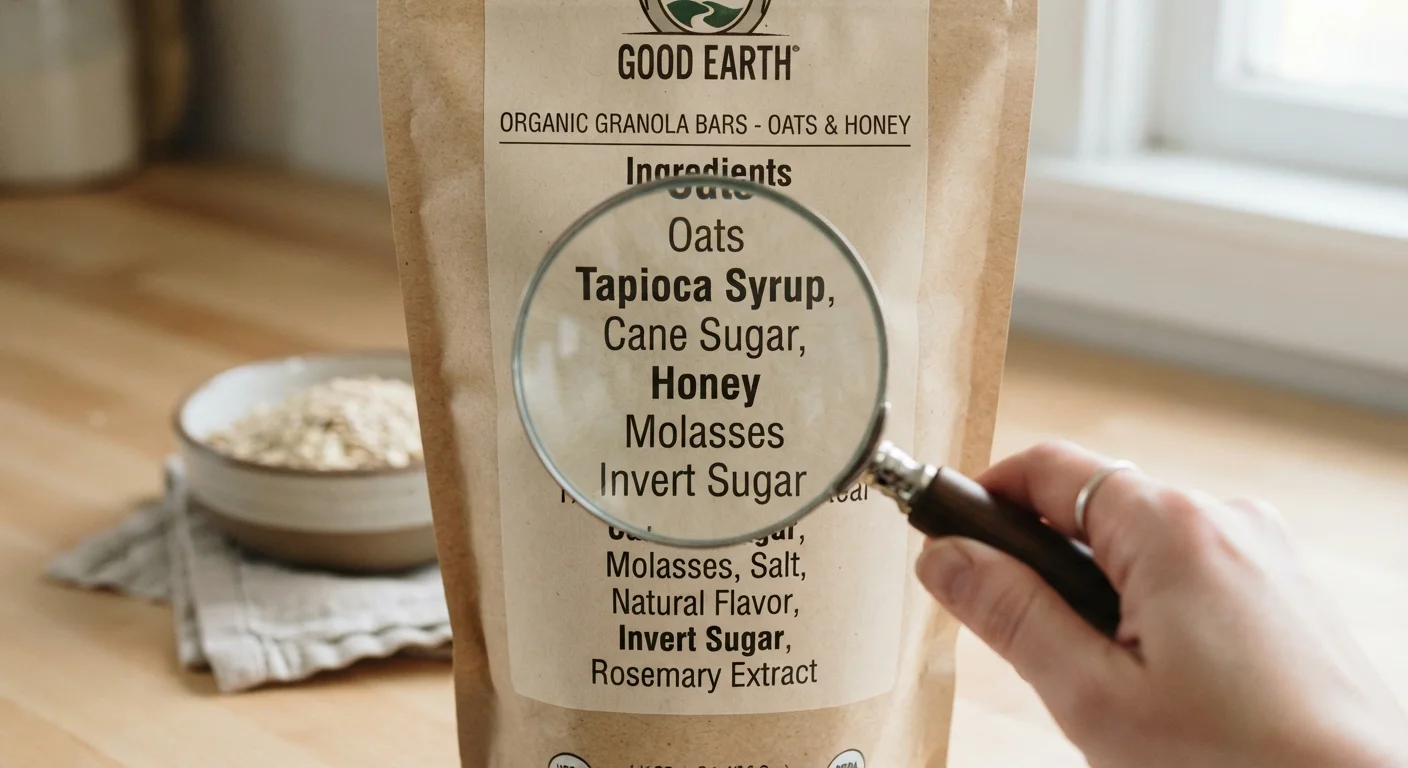
Words like "natural," "light," or "multigrain" on the front of a package are marketing terms, not regulated nutritional standards. Always flip to the Nutrition Facts panel and ingredient list before drawing conclusions about a food's healthfulness.
For a closer look at specific vitamins and minerals referenced on labels - including what roles they play in the body - Micronutrients at a Glance offers a concise reference.
This article is for general informational and educational purposes only and is not a substitute for advice from a qualified healthcare provider or registered dietitian. Individual nutritional needs vary. Always consult a professional for guidance specific to your health circumstances.