
Why Body Language Literacy Matters
Dogs communicate almost entirely through physical signals - posture, facial expression, tail position, and subtle muscle tension. Misreading these signals is one of the most common sources of friction between dogs and the people around them, and it can lead to avoidable bites, fear escalation, or chronic stress in otherwise healthy animals.
Canine body language is not a single gesture but a cluster of signals read together. A wagging tail does not always mean a happy dog. Exposed teeth are not always aggression. Context, the whole body, and the sequence of signals matter. This reference guide walks through the most important signal categories so you can interpret what you're seeing accurately and respond appropriately.
For owners working on strengthening their relationship with their dog, body language fluency pairs directly with the consistent daily routines described in our guide to habits that build owner-pet trust.
Calming signals
A range of behaviors - such as yawning, lip-licking, and looking away - that dogs use to reduce tension in themselves or others. Documented extensively in behavioral ethology research, these signals are the dog's attempt to communicate non-threat or discomfort.
Whale eye
A term describing the visible whites (sclera) at the corners or rim of a dog's eyes. It typically signals anxiety or discomfort and is a reliable stress indicator when seen alongside other tense body signals.
Appeasement gesture
A behavior intended to signal deference and reduce the likelihood of conflict. Examples include the submissive grin, lowering the body, and offering the belly. These are social communication tools, not signs of damage or dysfunction.
Hackles
The hair along a dog's back and neck that can involuntarily raise (piloerection) in response to arousal - whether from excitement, fear, or threat. Raised hackles alone do not indicate aggression; context is required for interpretation.
Play bow
A posture in which the dog drops its front end to the ground while keeping the rear raised. It is one of the clearest and most universally understood friendly signals in canine communication, signaling an invitation to play.
Signal-by-Signal Reference
Use this section as a lookup reference. Each signal cluster is described with its most common interpretations and suggested responses.
| Primary communication mode | Body language (posture, movement, facial expression) |
| Signals should be read | As clusters, not in isolation (Applied animal behavior consensus) |
| Wagging tail always means friendly | False - speed, height, and body context matter |
| Growling should be suppressed | No - it is a warning; suppressing it increases bite risk (Veterinary behavioral guidance) |
| Play bow interpretation | Unambiguous invitation to play |
| Whale eye indicates | Anxiety or discomfort in the current situation |
Tail Position and Movement
- High, stiff wag (small arc): Arousal or assertiveness - not necessarily friendly. Approach with caution in an unfamiliar dog.
- Low, fast wag with hip wiggle: Submission and eagerness to greet - typically a friendly signal.
- Tail tucked under abdomen: Fear, anxiety, or active appeasement. Give the dog space and avoid pressure.
- Tail held horizontal, slow sweep: Calm alertness - the dog is focused and assessing.
Ear Position
- Forward and erect: Attention and interest; can accompany both friendly curiosity and alertness to a threat.
- Pinned flat against skull: Fear, submission, or extreme stress.
- Relaxed or slightly back: Content and comfortable state.
Eyes and Gaze
- Soft, almond-shaped eyes with blinking: Calm and relaxed. A slow blink can signal comfort.
- Hard stare with unblinking eyes: A warning - the dog is asserting itself and may escalate if challenged.
- Whale eye (whites visible at corners): Anxiety or stress; the dog is uncomfortable with the current situation.
- Averted gaze: Deference or an attempt to de-escalate tension.
Mouth and Facial Muscles
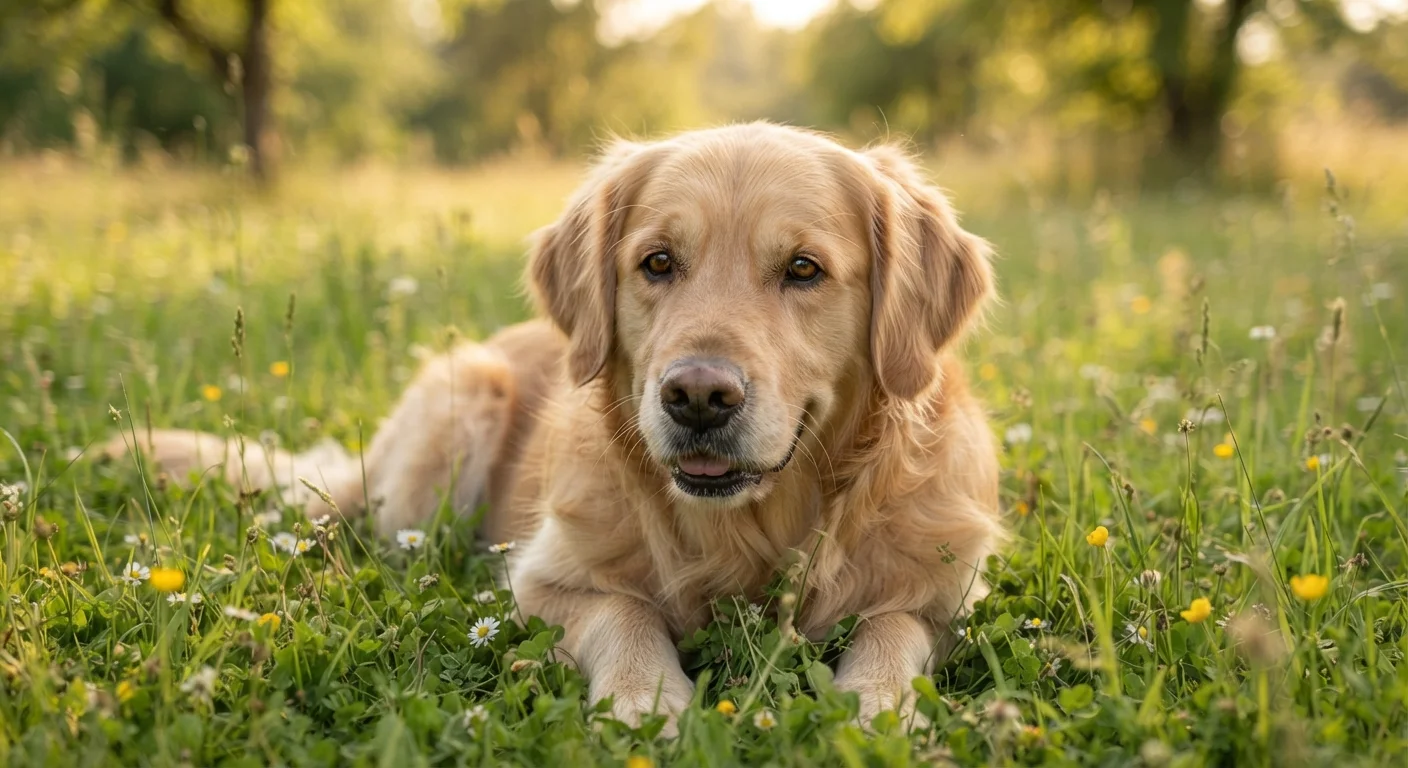
- Relaxed open mouth, lolling tongue: Comfortable and at ease.
- Lips pulled back to expose front teeth (submissive grin): Appeasement gesture - different from aggression; usually accompanied by low tail and squinting eyes.
- Lips curled, teeth exposed with tense facial muscles: A serious warning signal. Increase distance immediately.
- Repeated lip licking or yawning in a non-tired context: Stress-signaling behavior (often called calming signals in behavioral literature).
Overall Posture
- Weight forward, hackles raised, stiff body: High arousal; potential offensive threat posture.
- Weight shifted back, crouched body, head low: Fear or defensive posture - a frightened dog can still bite.
- Play bow (front end lowered, rear elevated): Unambiguous invitation to play; one of the clearest friendly signals in the canine repertoire.
- Rolling onto back and exposing belly: Context-dependent - can be active submission/appeasement or a relaxed request for interaction. Read the rest of the body: tense limbs and tucked tail signal discomfort, not invitation.
If you observe persistent stress signals - repeated yawning, excessive licking, constant tail-tucking, or inability to settle - these may warrant a behavioral consultation. Some of these signs also overlap with physical discomfort; our article on physical changes that warrant a vet visit can help you distinguish between behavioral and medical causes.
Responding Effectively to What You See
Reading signals accurately is only half the skill - knowing how to respond prevents situations from escalating.
- When a dog shows stress or fear signals: Remove pressure. Step back, turn slightly sideways, avoid direct eye contact, and let the dog choose whether to approach.
- When a dog shows warning signals: Do not punish the warning. A dog that is corrected for growling learns to skip the warning - this increases bite risk. Instead, increase distance and identify what triggered the signal.
- When a dog offers appeasement signals: Respond calmly and without crowding. Appeasement signals indicate the dog is trying to avoid conflict; pressing forward rewards neither the dog nor the relationship.
- When a dog invites play: Engage if the context is appropriate. Short, positive interactions reinforce trust and communication.
Dogs displaying fear-based body language in specific contexts - such as when left alone - may be experiencing separation anxiety. See our guide to recognizing and addressing separation anxiety for a detailed behavioral framework.
This article is for general educational purposes only and does not constitute veterinary or professional behavioral advice. For persistent behavioral concerns, consult a certified applied animal behaviorist or a veterinary behaviorist.