
Why Savings Matter Before Anything Else
Most personal finance advice eventually circles back to one foundational idea: having money set aside changes how every other financial decision feels. Without a cushion, a $400 car repair or an unexpected medical bill becomes a crisis. With one, it becomes an inconvenience.
Research from the Federal Reserve has consistently found that a significant share of U.S. adults would struggle to cover a moderate unexpected expense without borrowing or selling something. That vulnerability isn't just stressful - it forces people into expensive short-term solutions like high-interest credit cards or payday loans that can deepen financial hardship over time.
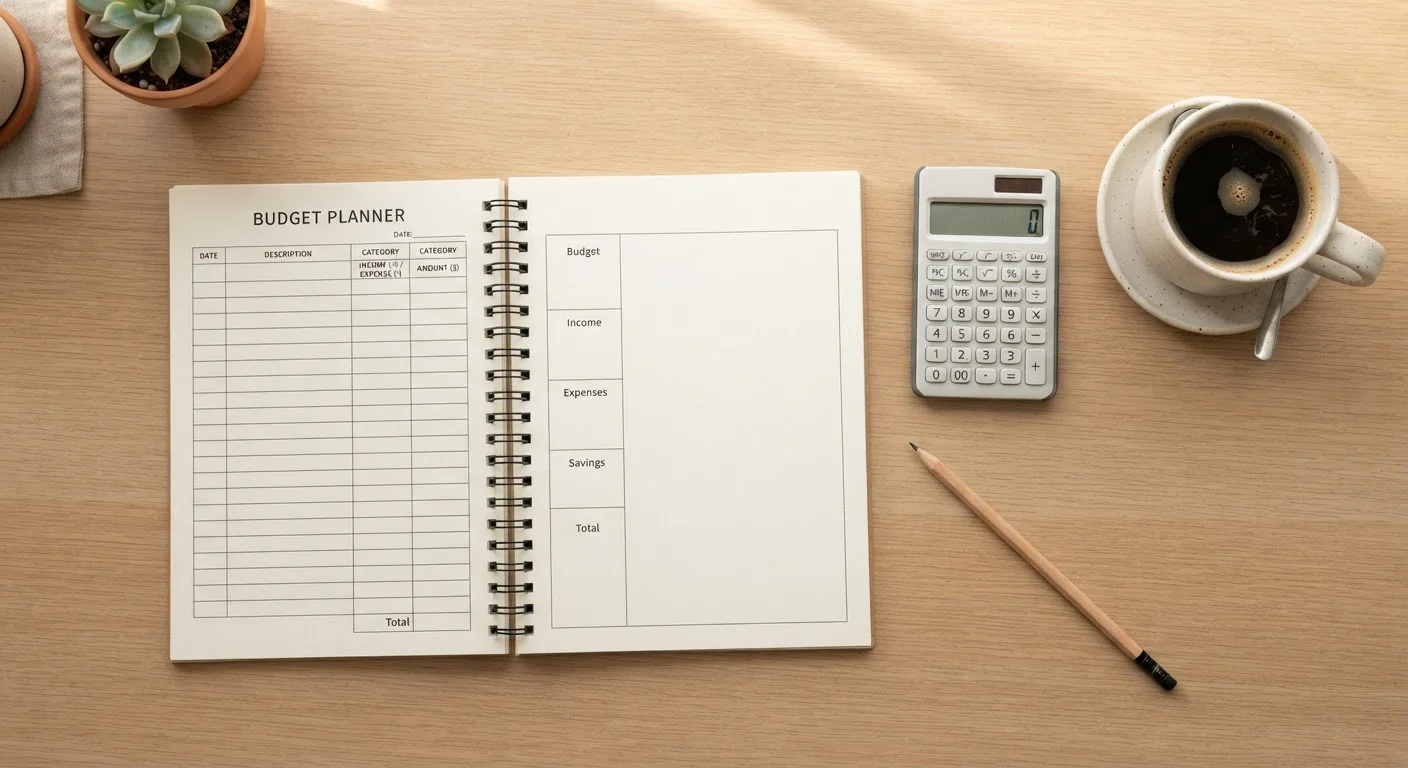
Building savings is not about hoarding money or denying yourself a life. It's about creating options - the ability to handle the unexpected, make deliberate choices, and avoid decisions driven purely by financial desperation. If you're also working through a budget, the Budgeting Basics hub is a natural companion to this guide.
How Much Should You Save? Setting a Realistic Target
The most commonly cited emergency fund benchmark is three to six months of essential living expenses - meaning what it would actually cost you to survive: rent or mortgage, utilities, groceries, transportation, and minimum debt payments. Not your full monthly spend, just the non-negotiables.
That number looks different for everyone. A single adult renting a modest apartment in a mid-sized city might target $8,000-$12,000. A household with dependents, a mortgage, and variable income might aim for the higher end or beyond six months.
37%
Adults unable to cover a $400 emergency with cash
According to the Federal Reserve's Report on the Economic Well-Being of U.S. Households, a substantial share of adults cannot cover moderate unexpected expenses without borrowing.
3-6 months
Recommended emergency fund coverage
Financial planning organizations broadly recommend holding three to six months of essential living expenses in accessible savings.
$500
Practical first emergency fund milestone
A starter buffer of $500 is sufficient to cover many common financial surprises and is achievable on most budgets within weeks to a few months.
If six months feels overwhelming right now, that's normal. The goal isn't to hit that number immediately - it's to have a clear target so every dollar you save has a purpose. Start with a smaller milestone and build from there.
This article provides general financial information and education. It is not personalized financial advice. Consider speaking with a licensed financial professional about your specific circumstances.
Building Your First $500 Emergency Buffer
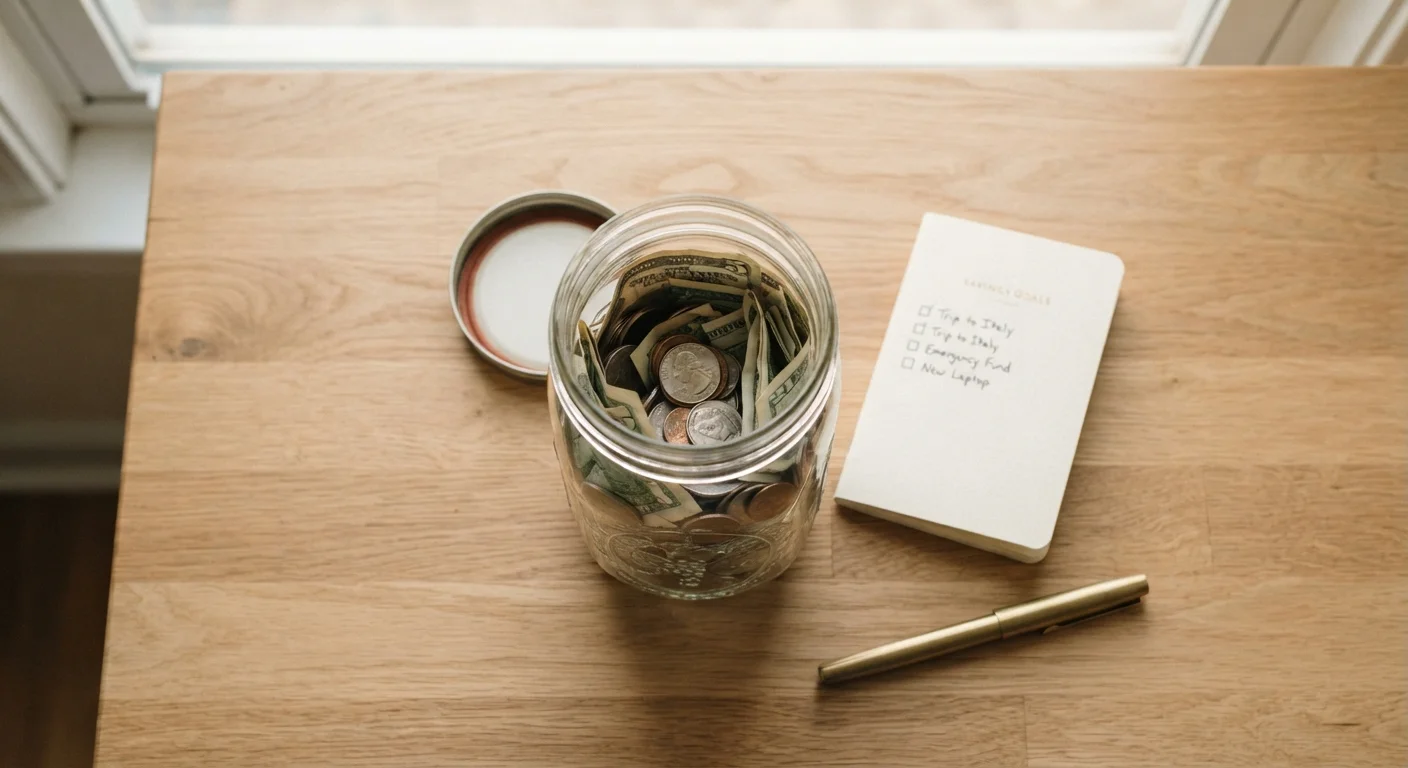
The hardest part of saving is starting. A $500 starter emergency fund is a proven first milestone - small enough to reach in weeks or a few months on a tight budget, but large enough to handle many common financial surprises.
To get there, identify one specific source of funds: a temporary spending cut, a one-time side gig, a tax refund, or redirecting a recurring subscription you've stopped using. The goal is a single, focused push rather than a vague intention to "save more."
Open a savings account specifically labeled for your emergency fund - at a different institution from your checking account if possible. The extra step to transfer money back adds friction that helps protect the balance.
Behavioral finance research shows that physical and psychological separation between spending and saving accounts meaningfully reduces unintended withdrawals.
When you get a raise or pay off a recurring bill, redirect that newly freed cash directly to savings before it disappears into lifestyle inflation.
Saving 'found money' before adjusting your spending baseline is one of the highest-leverage habits for building wealth without feeling deprived.
Once you hit $500, resist the urge to immediately redirect those funds elsewhere. Park them in a dedicated account - even a basic savings account - and treat that balance as off-limits except for genuine emergencies. That boundary is what makes it a fund rather than a float.
Scaling Up: From Starter Fund to 3-6 Months of Expenses
Once your starter buffer is in place, the next phase is methodical growth toward your full emergency fund target. This is where consistency matters more than speed.
A practical approach: calculate your monthly essential expenses, multiply by three to get your minimum target, then set a fixed monthly contribution to close the gap. Even $50-$100 a month builds meaningful savings over time - $100 per month reaches $1,200 in a year, $3,600 in three years.
If your income varies - freelance work, hourly wages, commission-based roles - consider a percentage-based approach rather than a fixed dollar amount. Saving 5-10% of each paycheck, regardless of size, keeps progress moving without overcommitting during lean months. For more on building a plan that absorbs income shocks, see how to build a budget that survives a financial setback.
Where to Keep Your Emergency Fund
Your emergency fund has two key requirements: it must be liquid (accessible within one to two business days) and separate from your daily checking account to reduce the temptation to spend it.
High-yield savings accounts at online banks typically offer better interest rates than traditional brick-and-mortar savings accounts, though rates vary and change over time. The interest you earn matters less at this stage than the discipline of keeping the money intact - but there's no reason to leave it in a near-zero-rate account if better options are available.
Separate Your Fund From Daily Spending
Consider opening your emergency fund at a different bank from your primary checking account. The slight inconvenience of transferring money between institutions creates a useful pause before tapping the fund impulsively. Many online savings accounts can be set up in under 10 minutes and have no minimum balance requirements.
Avoid keeping your emergency fund in investment accounts, certificates of deposit (CDs) with significant penalties for early withdrawal, or any vehicle where access takes more than a few days or carries a financial cost. In a real emergency, speed and certainty of access matter most.
Saving and Debt at the Same Time
A common question for people starting from scratch: should you pay off debt first, or build savings? The honest answer is that it often makes sense to do both simultaneously, at least to a point.
The logic: if you focus entirely on debt repayment without any savings buffer, the next unexpected expense will likely go straight onto a credit card - undoing your progress. A small emergency fund acts as insurance against that cycle.
A widely used framework suggests building a starter emergency fund first, then aggressively paying down high-interest debt, then returning to grow your full emergency fund. The exact balance depends on your interest rates, income stability, and risk tolerance. For a deeper look at those trade-offs, explore the saving vs. debt payoff decision. And if you're navigating debt for the first time, this debt basics guide covers the fundamentals clearly.
Habits That Make Saving Stick
Financial behavior research consistently points to one saving habit above others: automation. When a fixed transfer moves from checking to savings on payday, the decision is made once and requires no ongoing willpower. Many people find they adapt their spending to whatever remains after saving, rather than trying to save what's left.
Beyond automation, a few practices reinforce the habit:
- Name your savings account. Calling it "Emergency Fund" rather than "Savings" creates a psychological barrier against casual spending.
- Review progress monthly. A 60-second check-in keeps the goal visible and motivating without becoming a chore.
- Treat windfalls deliberately. Tax refunds, bonuses, and gifts are opportunities to accelerate - even directing half toward savings while spending the other half preserves momentum without austerity.
- Rebuild after use. If you draw on your emergency fund, treat replenishment as the next financial priority.
Saving steadily while covering daily needs is entirely achievable when the system works for you - not against you.