

What Makes a Skill 'Transferable'?
A skill becomes transferable when it can be applied usefully in a context different from where it was first learned. This portability is the key distinction. A nurse who develops clear patient communication skills doesn't leave those abilities behind if she moves into healthcare administration or medical writing - she carries them forward.
Transferable skills span a wide spectrum. On one end sit interpersonal and cognitive abilities: active listening, logical reasoning, conflict resolution, adaptability. On the other end are competencies that started as job-specific but proved versatile across industries - financial modeling, project scheduling, or data visualization, for example.
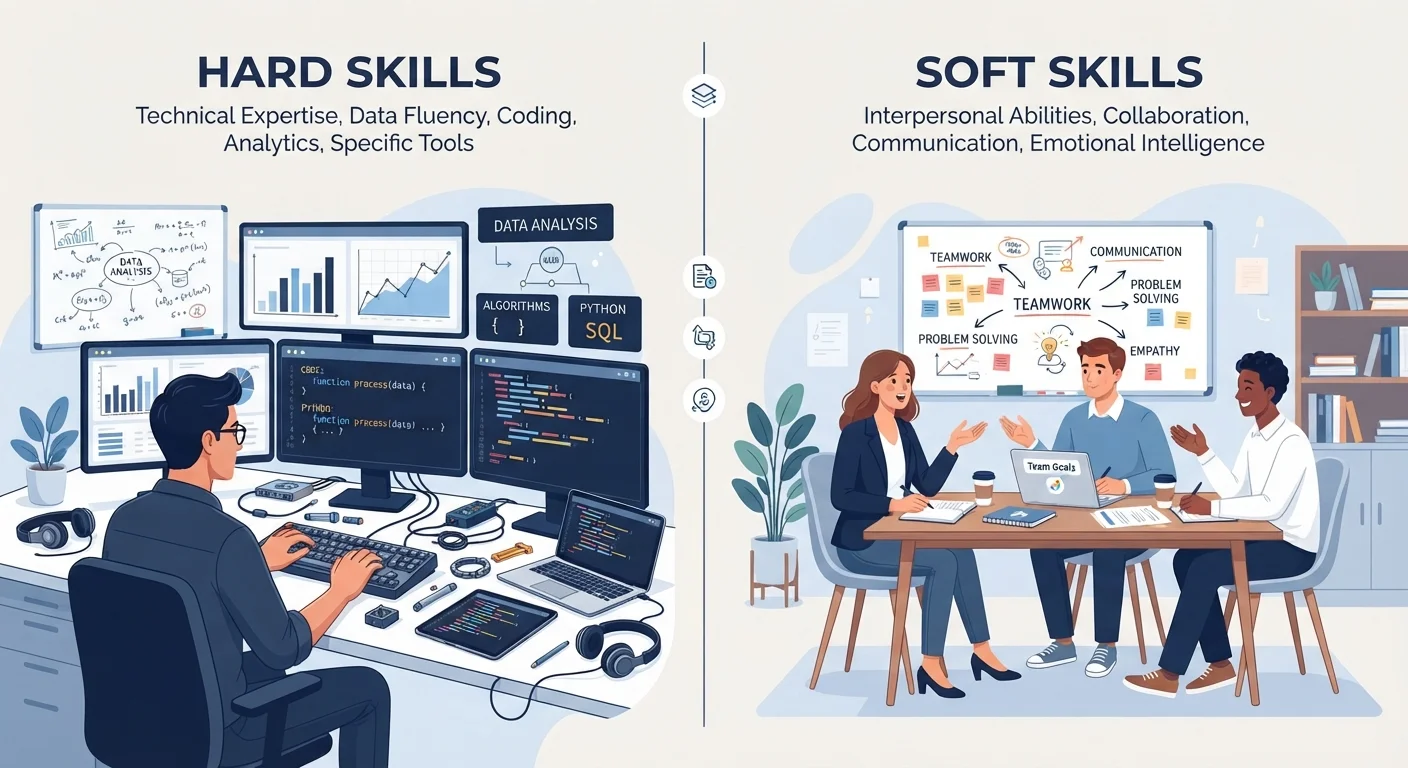
The contrast with purely technical or role-specific skills is worth understanding. Knowing how to operate a particular piece of manufacturing equipment is valuable, but that knowledge doesn't transfer far outside that equipment's use case. Understanding how to troubleshoot complex systems methodically - the underlying thinking process - transfers broadly. For a deeper look at how these categories compare, see our breakdown of hard skills vs. soft skills.
Transferable Skills Aren't Always 'Soft' Skills
It's a common misconception that transferable skills are exclusively interpersonal or behavioral. Skills like financial analysis, data interpretation, process documentation, and project scheduling can be highly transferable across industries - even though they're technical in nature. The defining feature is portability across contexts, not the type of skill.
Why Employers Actively Seek Transferable Skills
Hiring managers have two practical concerns: whether a candidate can do the work, and whether they'll adapt as the work evolves. Technical requirements change - software gets replaced, processes get automated, regulations shift. Transferable skills, by contrast, remain stable assets over time.
This is especially visible in career-change hiring. When a candidate moves from teaching into corporate training or from journalism into content strategy, recruiters weigh transferable skills heavily because direct industry experience is limited. The ability to organize complex information, communicate to an audience, and meet deadlines are skills that translate directly even when the industry label changes.
77%
Employers who say soft skills matter as much as technical ones
According to a LinkedIn Workforce Learning Report, the vast majority of talent professionals consider soft skills - a substantial subset of transferable skills - equally or more important than hard skills when evaluating candidates.
1 in 3
Workers who change occupations at some point in their career
Research from the U.S. Bureau of Labor Statistics and workforce economists suggests occupational transitions are common across working lifetimes, making portable, transferable skills a long-term career asset.
Transferable skills also signal learning potential. A candidate who has already applied strong analytical thinking in one field gives an employer evidence that they can apply it in a new one. This matters in fast-moving sectors where the specific knowledge required today may not be what's needed in three years.
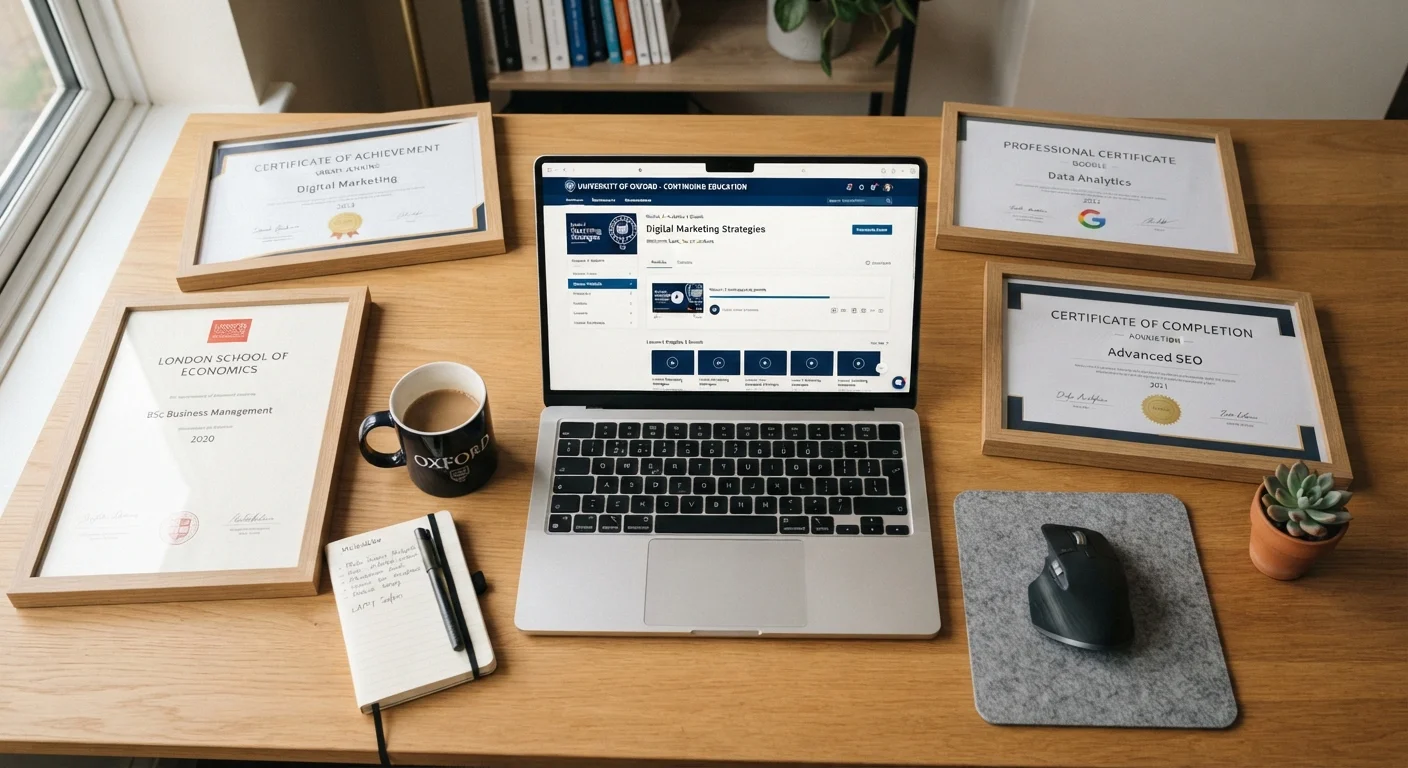
For professionals considering how credentials can complement their skills profile, understanding what different credentials signal to employers is a useful next step.
How to Identify and Grow Your Transferable Skills
Most people underestimate how many transferable skills they already have, often because those skills were developed informally. A parent who coordinated a school fundraiser has practiced event planning, budget management, and volunteer coordination. A customer service representative who de-escalated difficult situations daily has practiced conflict resolution and emotional regulation.
To build a clearer picture of your own portfolio, work through these steps:
- Audit your experience broadly. List every role - paid, unpaid, academic, community-based - and note what you actually did, not just your job title.
- Look for repeated patterns. Skills you used consistently across different settings are your strongest transferable assets.
- Seek external input. Feedback from colleagues, supervisors, or mentors often surfaces strengths you've normalized and stopped noticing.
- Identify gaps strategically. Compare your current skill set against roles you're targeting and prioritize building the competencies that appear across multiple job descriptions.
Turn Everyday Tasks Into Skill Evidence
When auditing your experience, don't discount informal or unpaid roles. Organizing a community event, managing a family budget, or mentoring a colleague all build and demonstrate transferable skills. The key is articulating these experiences in concrete, results-focused language when presenting them to employers.
Deliberate development matters too. Volunteer leadership, stretch assignments at work, structured online learning, and cross-functional projects are all proven pathways for expanding transferable skills. For a curated view of which skills carry the most cross-industry weight, see high-value skills that translate across multiple industries.
Making Transferable Skills Visible to Employers
Having transferable skills and communicating them effectively are two separate challenges. Employers can't assess what they can't see, so the framing on a résumé, cover letter, and in interviews matters significantly.
The most effective approach pairs each skill with a specific, results-oriented example. Rather than listing 'strong leadership skills,' describe a situation: what you led, the challenge involved, and the measurable outcome. This structure - sometimes called the situation-action-result format - gives hiring managers concrete evidence rather than unsubstantiated claims.
It's also worth aligning the language you use with the terminology in the job posting. If a role emphasizes 'stakeholder communication,' use that phrase when describing your relevant experience rather than a generic synonym. This alignment signals familiarity with the field and helps your application surface in applicant tracking systems.
If you're also building formal credentials to support your skills, certifications that carry genuine weight in the labor market offers a practical reference for where credentials add credibility.