
What Do These Terms Actually Mean?
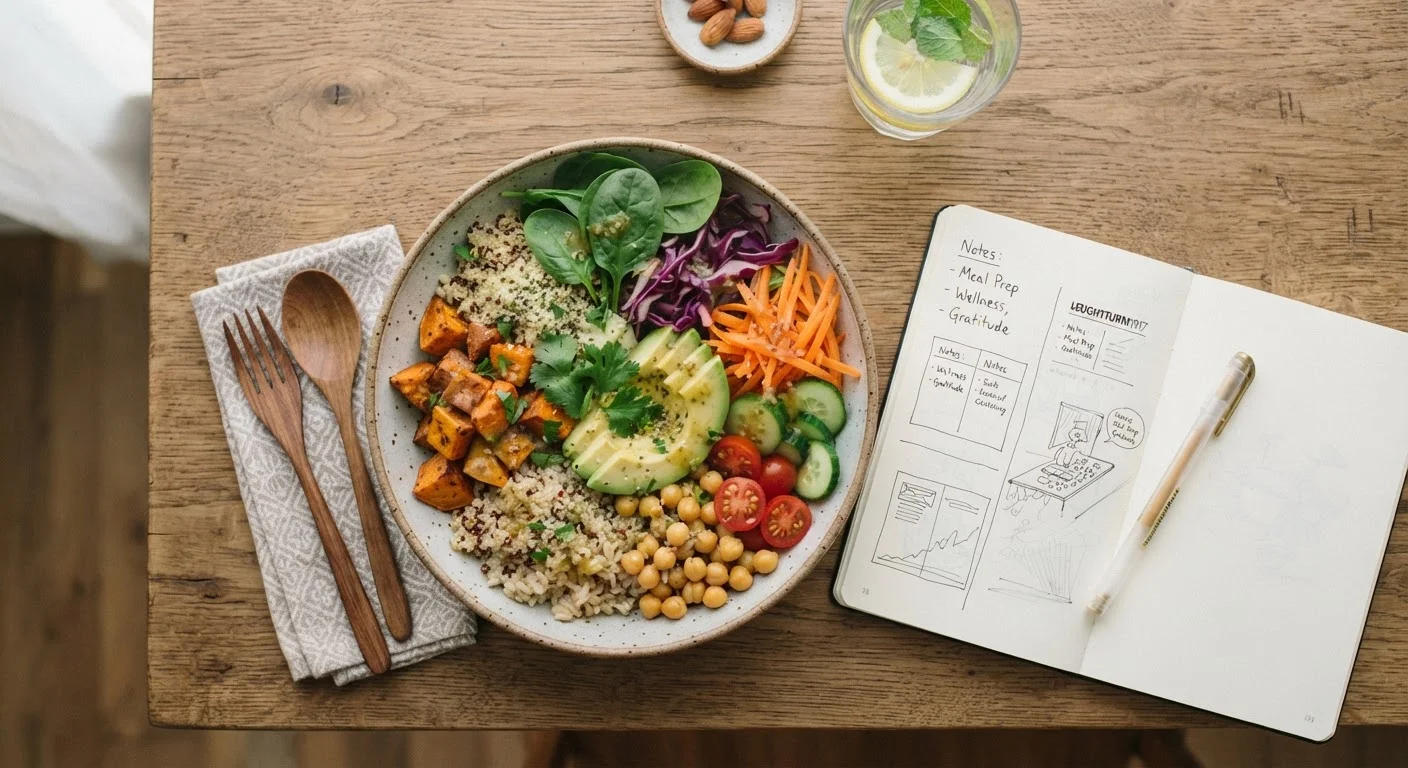
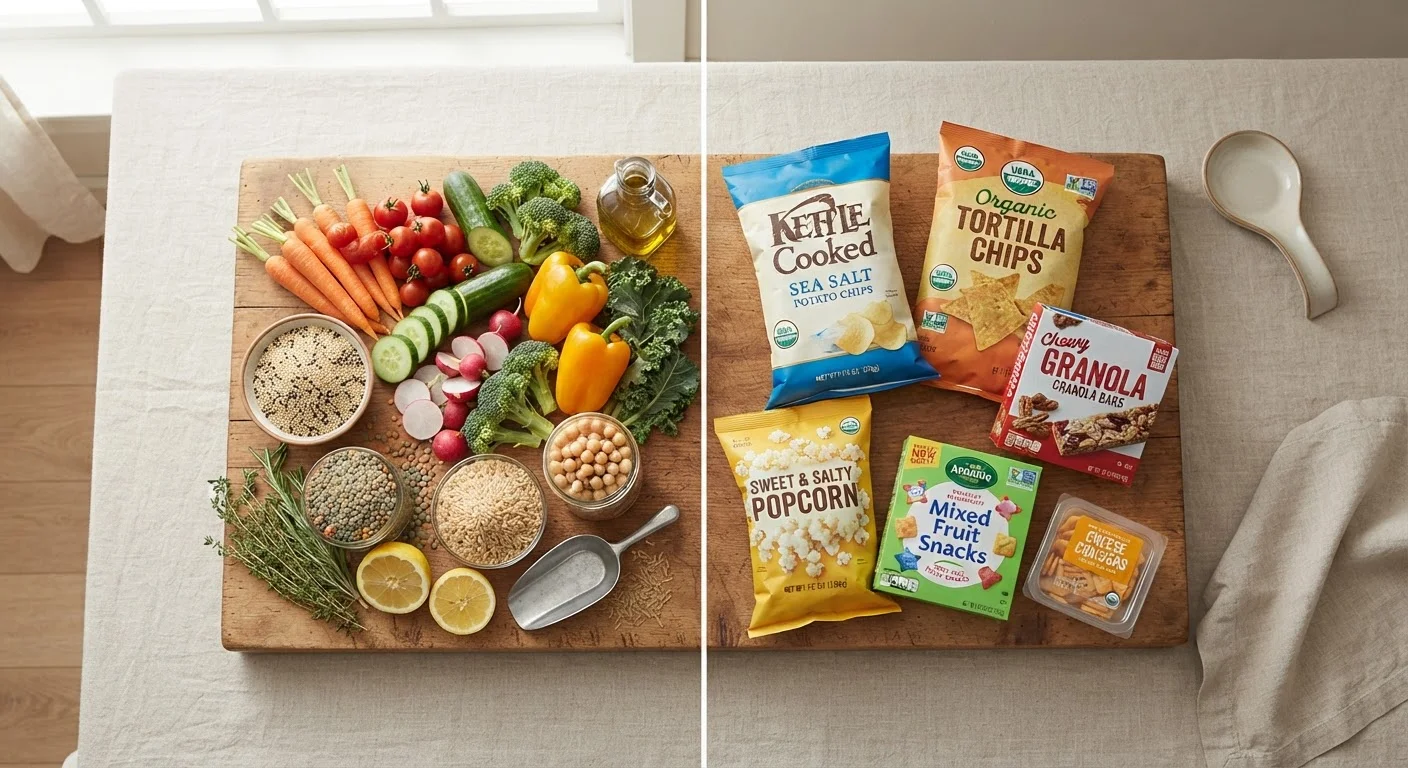
The phrase "whole foods" refers to foods that are eaten close to their natural, unmodified state - think fresh fruit, vegetables, legumes, whole grains, nuts, seeds, eggs, and unprocessed meat or fish. They have not been significantly altered by manufacturing, and they typically contain no added sugars, refined oils, preservatives, or artificial ingredients.
"Processed food," by contrast, is a much broader category than most people realize. The NOVA classification system, developed by nutrition researchers at the University of São Paulo, divides food into four groups based on the extent and purpose of processing: unprocessed or minimally processed foods, processed culinary ingredients, processed foods, and ultra-processed foods. Under this framework, plain yogurt and canned tomatoes are processed - but they occupy a very different place than packaged snack cakes or flavored instant noodles.
Understanding this spectrum matters because the blanket warning to "avoid all processed food" can be both impractical and misleading. All-or-nothing nutrition thinking is one of the most common patterns that derail healthy eating, and this is a clear example of where nuance pays off.
How Processing Affects Nutritional Value
Processing can work against nutrition in several ways. Refining whole wheat into white flour strips out bran and germ, removing most of the fiber, B vitamins, and minerals. Adding large amounts of sugar, salt, and refined fat - common in ultra-processed products - creates foods that are calorie-dense but relatively low in beneficial nutrients.
However, not all processing degrades nutritional quality. Freezing vegetables shortly after harvest locks in vitamins that fresh produce can lose during transport and storage. Fermentation - used in yogurt, kefir, and sourdough - creates beneficial compounds and can improve digestibility. Cooking legumes makes their protein and carbohydrates far more bioavailable than they would be raw. Even fortification, the addition of nutrients like iron or folate to refined grains, has had measurable public health benefits in the United States.
57%
Share of US calories from ultra-processed foods
Research published in BMJ Open estimated that ultra-processed foods account for roughly 57% of total energy intake among US adults.
4 groups
NOVA food classification categories
The NOVA system, developed by researchers at the University of São Paulo, categorizes foods by degree of processing rather than nutrient content alone.
~10g
Average daily fiber shortfall in US adults
Most US adults consume well below the recommended 25-38g of daily fiber, a gap largely attributed to low whole food intake, according to dietary survey data.
The evidence most consistently points to ultra-processed foods as the category of concern. Multiple large observational studies have linked high ultra-processed food consumption to elevated risk of cardiovascular disease, type 2 diabetes, and obesity - though it is important to note these studies show association, not direct causation, and researchers continue to investigate the precise mechanisms involved.
For a clearer picture of how individual components like fats behave, see our explainer on saturated, unsaturated, and trans fats.
A Practical Head-to-Head Comparison
Knowing the broad principles is useful, but a direct comparison across everyday dimensions helps make those principles actionable.
| Criterion | Whole Foods | Processed Foods |
|---|---|---|
| Nutrient density | Generally high; fiber and micronutrients intact | Varies widely; often reduced in ultra-processed |
| Added sugar & sodium | Minimal to none | Often elevated, especially in ultra-processed |
| Shelf life | Short; requires fresh storage | Extended; preservatives or drying extend life |
| Preparation time | Can be higher for raw ingredients | Often quick or ready-to-eat |
| Cost | Variable; staples like oats and legumes are affordable | Can be low to moderate; convenience adds value |
| Ingredient transparency | High; single or few natural components | Lower in ultra-processed; long ingredient lists |
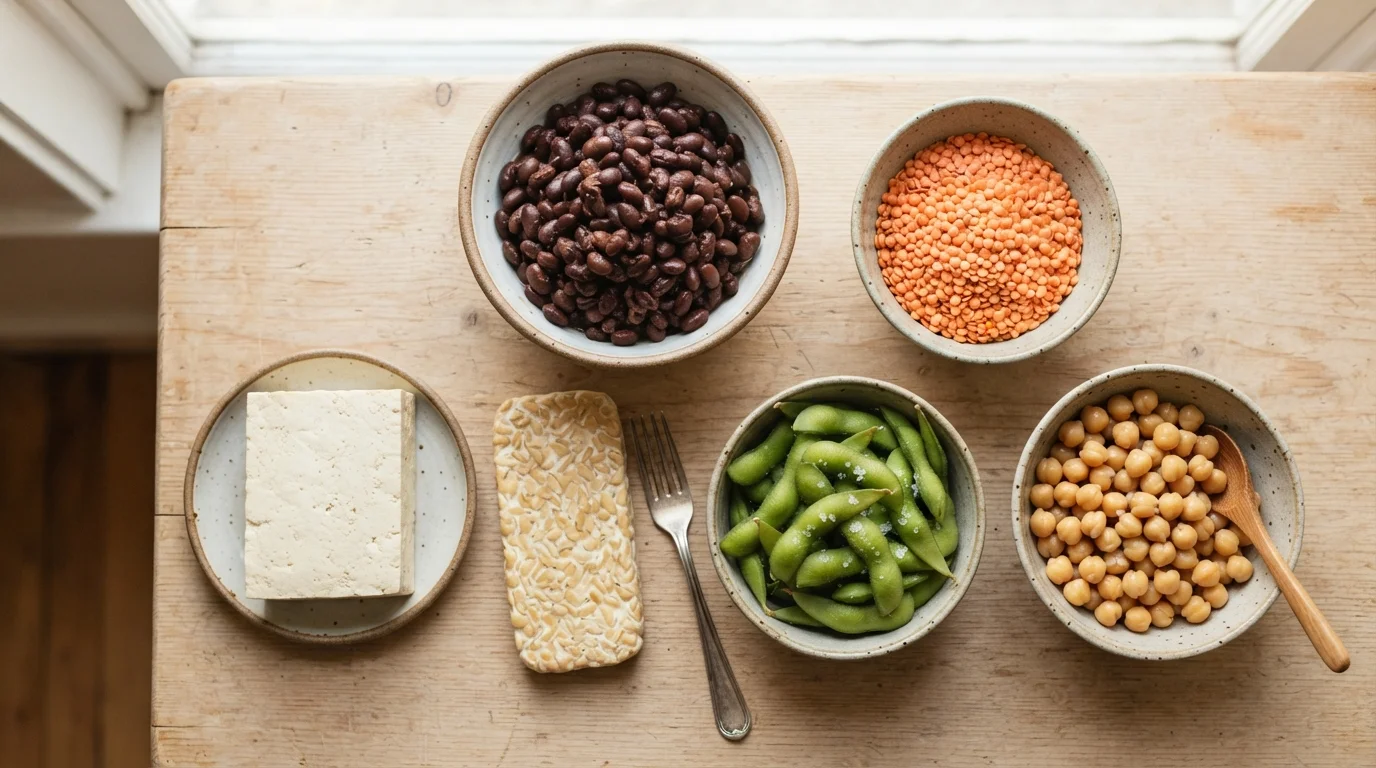
One area worth highlighting is cost. Whole foods like fresh produce can be expensive depending on season and location, but affordable whole-food staples - dried beans, lentils, oats, frozen vegetables - are widely available. Plant-based proteins like beans and lentils offer an especially economical route to nutrient-dense eating.
Reading Labels Is a Practical Skill
When evaluating a packaged product, the ingredient list is more informative than marketing claims on the front of the package. A shorter list of recognizable ingredients generally signals less processing. High amounts of added sugar, sodium, or unfamiliar additives early in the list are worth noting. This habit takes practice but becomes faster over time.
The bottom line for most adults is not to eliminate all processed foods but to shift the balance: build meals around whole and minimally processed foods, and treat heavily processed products as occasional rather than habitual choices.
This article provides general nutrition information and education only. It is not a substitute for personalized advice from a registered dietitian or qualified healthcare professional.