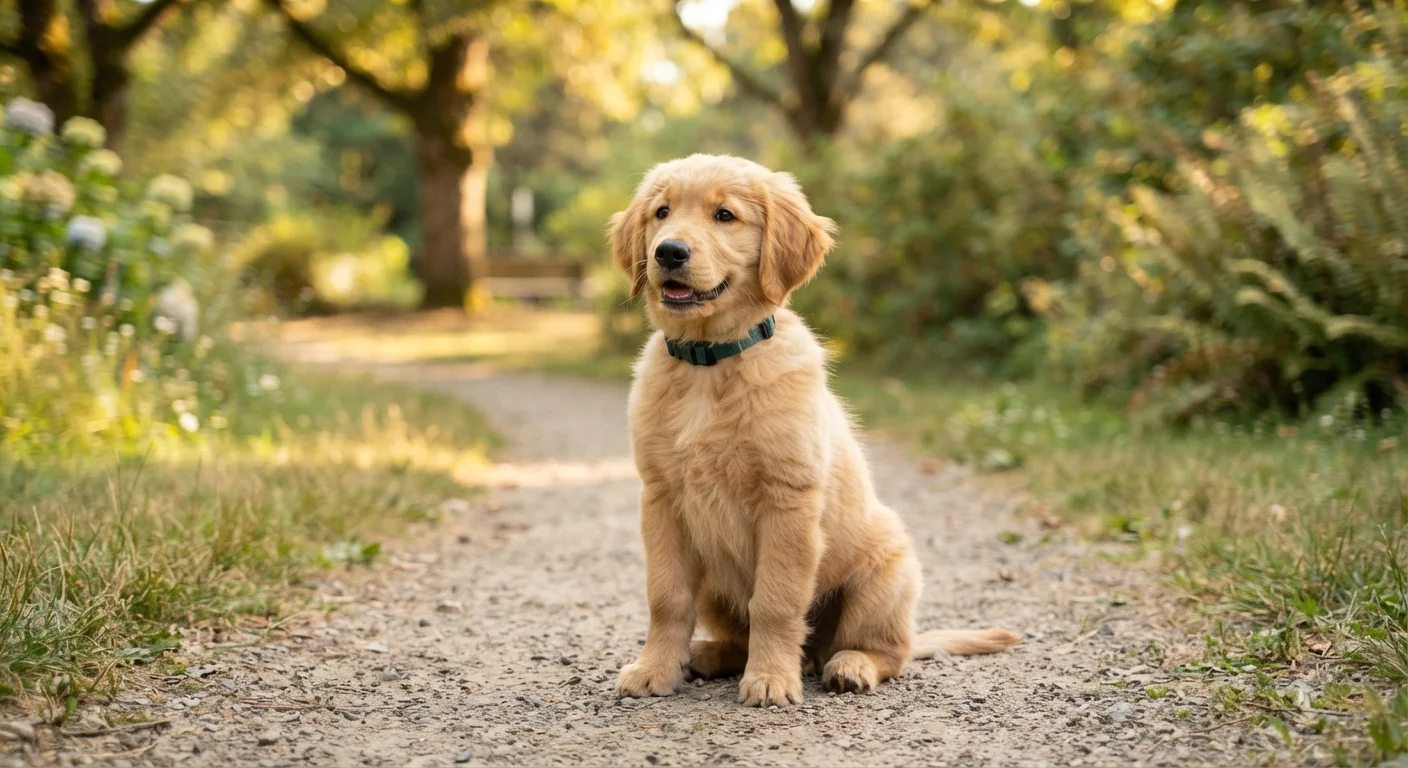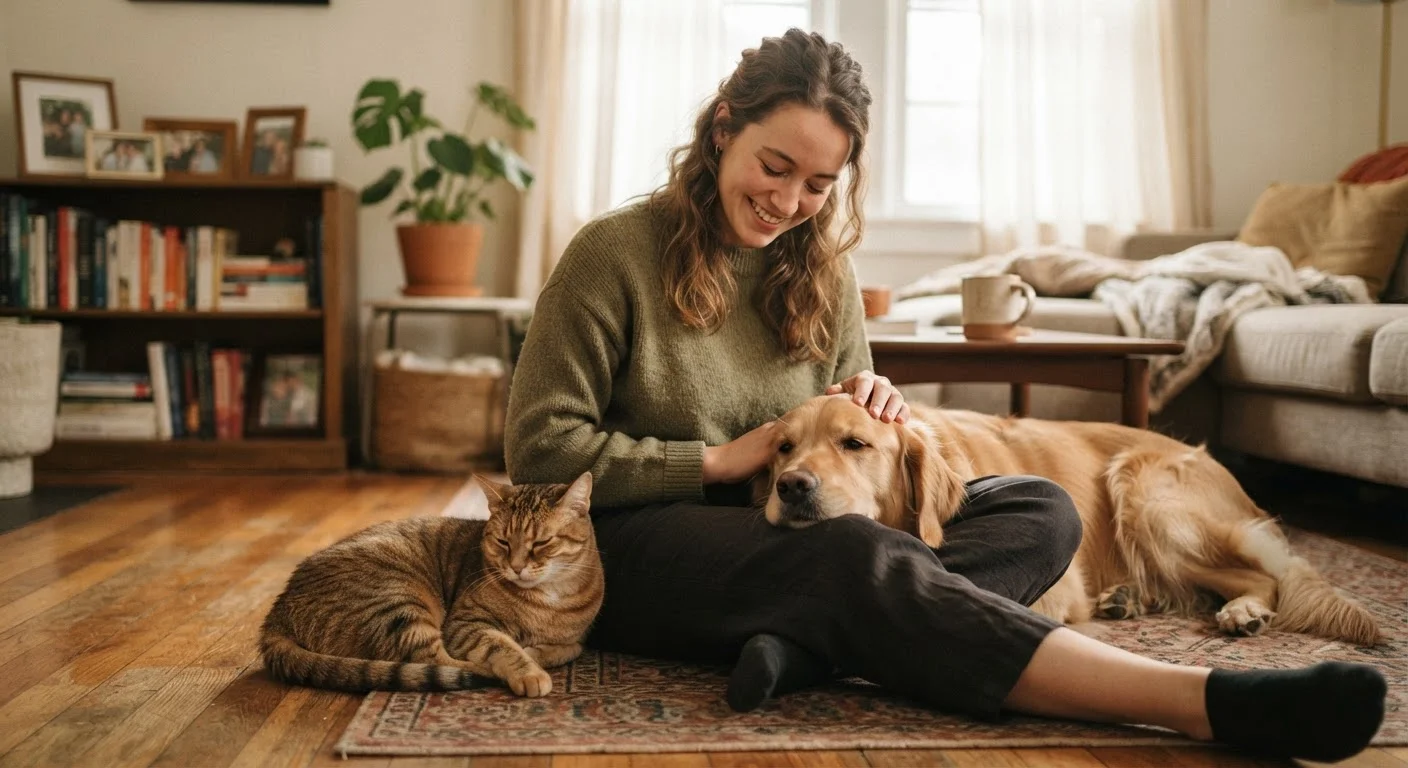

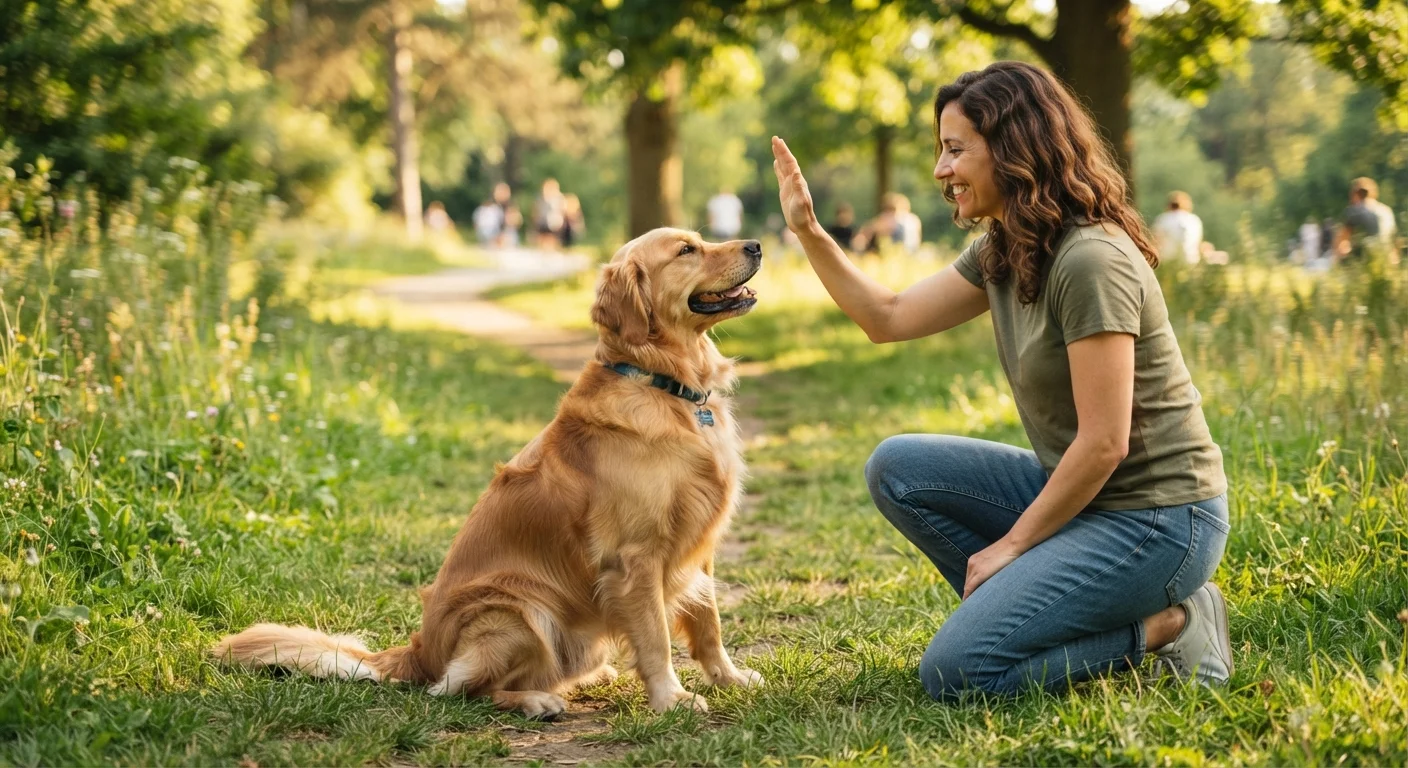
Why Training Starts the Moment Your Dog Comes Home
Many first-time owners plan to "start training" once their dog has settled in. In practice, your dog is already learning from the second it walks through your door - from where it sleeps, to what happens when it jumps up, to how you respond when it whines. Every interaction is a lesson, whether you intend it to be or not.
This is not pressure to be perfect from day one. It is an invitation to be deliberate. Deciding in advance which behaviors are acceptable (and which are not) helps you respond consistently rather than reactively. For example, if you don't want a 60-pound adult dog sleeping on the sofa, it is significantly easier not to allow a puppy on the sofa than to reverse that habit later.
Pair early training with socialization - exposing your dog to a wide range of people, sounds, surfaces, and environments. Our companion guide on socializing a puppy explains the critical developmental window and how to make the most of it safely.
Positive reinforcement
Adding something a dog values - a treat, praise, or play - immediately after a desired behavior to make that behavior more likely to happen again.
Operant conditioning
A learning process in which behaviors are shaped by their consequences. Behaviors that lead to good outcomes are repeated; those that lead to no outcome or an unpleasant outcome tend to fade.
Marker word
A short, consistent word (like "yes") used at the exact moment a dog performs a correct behavior, signaling that a reward is coming. It bridges the gap between the behavior and the treat.
Generalization
The process of a dog learning to perform a cue reliably across different locations, distractions, and contexts - not just in the environment where it was first taught.
Recall
The command that tells your dog to return to you immediately. A reliable recall is considered one of the most important safety behaviors any dog can learn.
Impulse control
A dog's ability to pause and not act on an immediate impulse - for example, waiting before eating food or not lunging toward another animal. Training cues like "stay" and "leave it" build this skill.
How Dogs Actually Learn: The Science Behind Rewards
Dogs learn primarily through operant conditioning - behavior that produces a good outcome gets repeated; behavior that produces no outcome (or an unpleasant one) fades. The most well-supported application of this for pet training is positive reinforcement: adding something the dog values immediately after a desired behavior occurs.
The word "immediately" carries significant weight. Dogs associate a reward with whatever they were doing in the moment it arrived - not what they were doing three seconds earlier. This is why precise timing separates effective training from accidental confusion. A clicker or a short verbal marker word like "yes" can bridge the gap between the behavior and the delivery of a treat, giving you a reliable way to communicate "that exact thing" to your dog.
Use a Marker to Improve Reward Timing
A clicker or a consistent short word like "yes" lets you mark the exact moment your dog does the right thing, even if the treat takes a second to reach them. This precision dramatically speeds up learning. Practice the marker separately - click or say "yes," then deliver a treat - until your dog clearly associates the sound with a reward coming.
The Five Foundation Commands Every Dog Needs
Before teaching tricks, establish these five cues. They form a practical safety and communication baseline for every dog, in every household.
- Sit: The most natural starting point. Lure the dog's nose upward with a treat until its rear touches the floor, then reward immediately.
- Down: Builds impulse control. From a sit, guide the treat toward the floor to encourage the dog to lie flat.
- Stay: Teaches your dog to hold position until released. Begin with one second and a single step back, then gradually increase distance and duration.
- Come (recall): Potentially the most important safety cue your dog will ever learn. Always reward a recall generously - never call your dog to you for something it finds unpleasant.
- Leave it: Teaches your dog to disengage from an object or distraction on cue. Invaluable for preventing ingestion of harmful items.
Practice each cue in multiple environments. A dog that sits reliably in the kitchen may need help generalizing that behavior to the park - this is normal and expected.
Timing, Consistency, and Routine: The Training Triangle
Three factors determine whether early training succeeds or stalls: timing, consistency, and routine.
Timing means delivering reinforcement within one to two seconds of the desired behavior. Any longer and the connection weakens. Use a marker word or clicker to improve precision.
Consistency means every person in the household responds to the same behavior the same way, every time. If one person allows jumping as a greeting and another corrects it, the dog learns that jumping works on certain people - and will keep trying. Agree on house rules before your dog arrives and communicate them clearly to everyone in the home.
Routine reduces anxiety and accelerates learning. Dogs are creatures of habit. Predictable feeding times, regular training sessions, and consistent sleep arrangements give your dog a framework for understanding its world - and that security makes learning easier.
These principles extend well beyond formal training sessions. The everyday habits that build trust between you and your pet are equally important to get right.
Common First-Timer Mistakes and How to Avoid Them
Understanding where new owners typically go wrong can save weeks of frustration.
- Repeating commands
- Saying "sit, sit, sit" teaches your dog that the first cue is optional. Say the cue once, wait, guide if necessary, then reward. Repetition dilutes the signal.
- Training only when the dog misbehaves
- If your dog only hears its name or a cue when being corrected, it learns to associate those words with tension. Actively reward calm, correct behavior throughout the day.
- Skipping the generalization step
- A cue learned in one environment needs practice in new environments. Plan short training moments on walks, at friends' homes, and in mildly distracting settings to build a reliable response.
- Sessions that run too long
- Mental fatigue sets in quickly, especially in puppies. End each session while your dog is still engaged and succeeding - always stop on a win.
Training is an ongoing conversation between you and your dog, not a one-time task. The habits and routines you build in these early weeks form the foundation of your relationship for years to come. Approach each session with patience, and remember that progress, even incremental progress, is worth reinforcing.
This article is for general informational and educational purposes only. For concerns about your dog's behavior, health, or wellbeing, consult a qualified veterinarian or certified animal behaviorist.
Avoid Punishment-Based Methods
Physical corrections, shock collars, and intimidation-based techniques may appear to suppress behavior in the short term, but research from veterinary behavior science links aversive training to increased fear, anxiety, and aggression over time. Major veterinary and animal welfare organizations advise against these methods. If you are struggling with a specific behavior, consult a certified, force-free professional rather than escalating corrections.