

Why Preparation Determines Training Outcomes
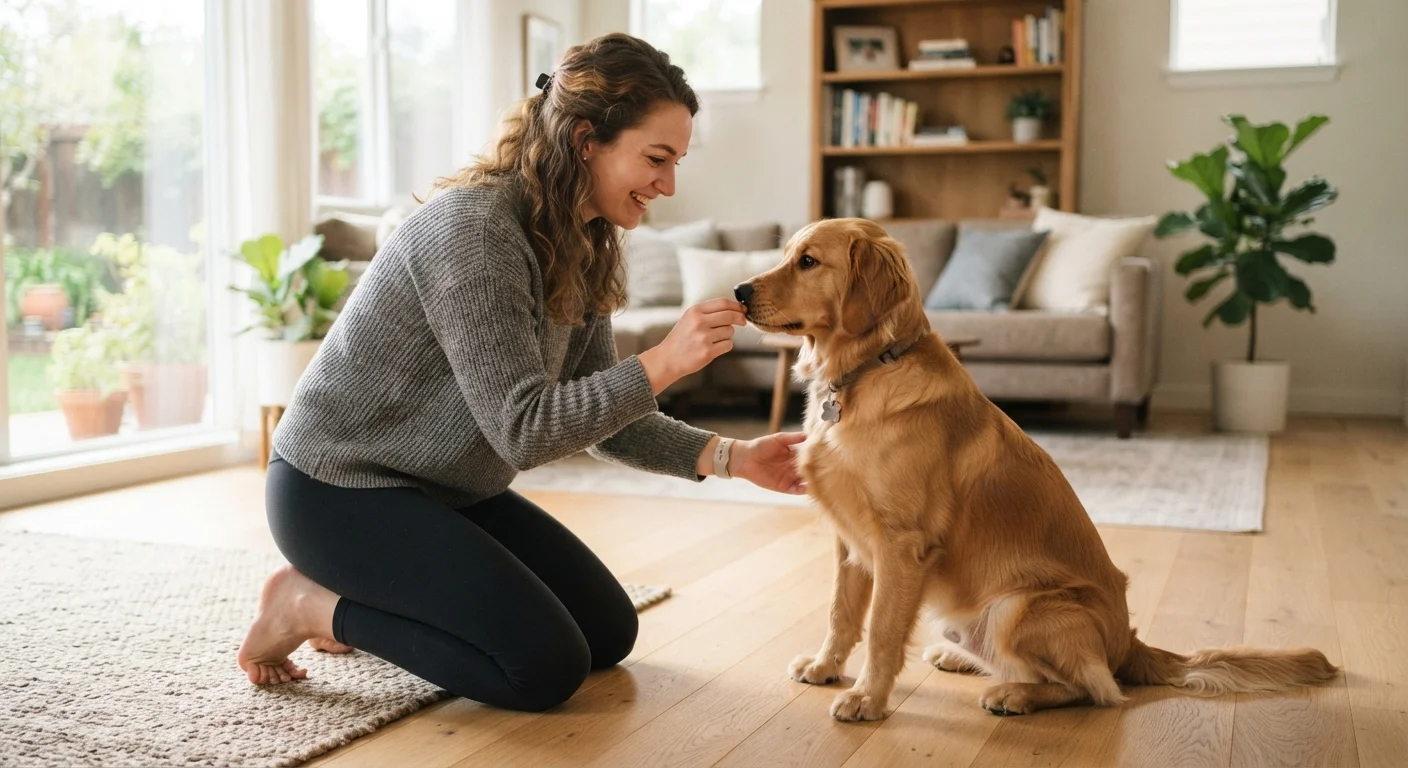
Most training failures don't happen mid-session - they happen in the two minutes before it starts. An overstimulated pet, a distracted owner, a nearly empty treat pouch, or a room full of competing noise can unravel even a well-planned training plan. Animal behaviorists consistently emphasize that the conditions surrounding a session matter as much as the technique used within it.
This checklist is built around the core principles of positive reinforcement training: clear communication, short learning windows, and consistent rewards. Whether you're teaching a new puppy basic manners, introducing a recall cue to an adolescent dog, working with a cat on a target-touch behavior, or desensitizing a fearful rescue animal, the preparation steps are fundamentally the same.
Think of this the same way you'd approach any structured preparation task - just as you'd work through a pre-project audit before beginning a renovation, running through a session checklist prevents avoidable setbacks and keeps momentum moving forward.
Timing and Pet Readiness
Environment Setup
Reinforcement and Supplies
Your Mindset and Plan
Tools, Environment, and Timing: Setting the Stage
The practical components of session setup are straightforward once you know what to look for. Environment management is the single highest-leverage change most owners can make immediately. Close interior doors to limit exit options, remove competing toys that could become distractions, and ensure the space is large enough for your pet to move freely without feeling cornered.
Treat selection deserves careful thought. Reward value is relative to the individual animal and the difficulty of the behavior being trained. A behavior performed in a novel outdoor environment may require a higher-value reinforcer than the same behavior rehearsed in the living room. Always test treat value before relying on it - if your pet isn't motivated by what you've brought, you'll struggle to maintain engagement.
Treat Pouch or Bait Bag
Keeps high-value reinforcers immediately accessible so your reward delivery is fast and your timing stays accurate.
Clicker or Marker Word
Marks the exact moment a desired behavior occurs, creating a precise communication bridge between behavior and reward.
Target Stick
Useful for shaping movement and position behaviors in dogs and cats without relying on luring with food.
Session Log (notebook or phone note)
Records what was worked on, the number of repetitions, and your pet's engagement level to track progress over time.
Mat or Defined Spot Marker
Establishes a consistent physical anchor point, particularly useful for duration or station-based behaviors.
Timing matters significantly. Training when your pet is slightly hungry (but not distressed) typically increases treat motivation. For most dogs, 20-30 minutes after a light meal or 60-90 minutes before a main meal can work well - though individual variation is wide. Avoid training immediately after intense exercise, when your pet may be too tired to focus, or right before a high-arousal event like a walk, which can override attention.
Never Train Through Stress Signals
If your pet displays stress signals - yawning, lip-licking, whale eye, flattened ears, excessive shedding, or attempts to leave the space - end the session calmly and revisit your setup. Pushing through these signals does not build resilience; it builds negative associations with training. A session stopped early due to stress is far more productive than one that continues past your pet's threshold.
Avoid Relying Solely on Online Training Videos
Video tutorials vary widely in quality and are not always based on current behavioral science. They cannot account for your specific pet's history, temperament, or triggers. For reactive, fearful, or aggressive behavior, always consult a certified professional before attempting structured training - incorrect approaches can worsen these issues.
Your own state is a variable that's easy to overlook. Pets - particularly dogs - are highly attuned to human stress signals. If you're running late, frustrated from work, or feeling impatient, those emotions will communicate themselves through your timing, body tension, and vocal tone. A two-minute mindset reset before you begin is not a luxury; it is part of the preparation.
Closing Out a Session the Right Way
How a session ends influences how your pet approaches the next one. Behavioral science supports ending training on a completed, successful repetition rather than on a failure or escalating difficulty. This means you may need to intentionally step back to an easier behavior in the final 60 seconds - a recall cue your dog already knows reliably, a sit your cat performs confidently - before ending with praise and releasing your pet.
Keep a simple log. It doesn't need to be elaborate - a phone note recording what you worked on, how many repetitions you got, and your pet's apparent energy and engagement level is enough. Patterns emerge quickly: you'll notice which environments are too distracting, which reward values underperform, and which behaviors need more foundation work before you add complexity.
If your pet is struggling with a behavior despite consistent, well-prepared sessions, that is useful information, not a sign of failure. Consulting a certified applied animal behaviorist or a trainer who uses evidence-based, force-free methods can help you identify whether the behavior plan itself needs adjustment. Preparation gives you a clean baseline from which to troubleshoot - and that baseline is what makes every session a productive one.