

The Core Purpose of an Emergency Fund
At its most fundamental level, an emergency fund exists to absorb financial shock without forcing you to take on debt or liquidate longer-term savings. Think of it as a financial firewall - it stands between an unexpected crisis and the rest of your financial life.
The operative word is unexpected. An emergency fund is not designed to handle every inconvenient expense; it is specifically structured for the costs you cannot predict and cannot reasonably avoid. Job loss, a sudden medical bill, a furnace that fails in January - these qualify. A friend's destination wedding, a phone upgrade, or an anticipated car registration fee do not.
This distinction matters more than it may initially seem. When people treat their emergency fund as a flexible savings pool, they routinely find it empty precisely when a real crisis arrives - which often leads to high-interest debt. Why emergency funds get depleted repeatedly is a pattern with identifiable causes, and misunderstanding the fund's purpose is frequently among them.
~4 in 10
Americans who couldn't cover a $400 unexpected expense
According to the Federal Reserve's Report on the Economic Well-Being of U.S. Households, a significant share of adults report they would struggle to cover a modest emergency without borrowing or selling something.
3-6 months
Recommended essential expenses to hold in reserve
This widely cited benchmark from financial planning guidance reflects the typical duration of a job search or financial disruption for most households.
22%
U.S. adults with no emergency savings at all
Bankrate's annual emergency savings survey has consistently found that a substantial minority of Americans have nothing saved to cover an unexpected financial event.
What Qualifies - and What Doesn't
Applying a simple three-part test can help you determine whether a situation warrants drawing from your emergency fund:
- Was it unexpected? True emergencies are not events you could have reasonably anticipated and planned for.
- Is it urgent? Delaying the response would result in meaningful harm - to your health, housing, employment, or financial standing.
- Is it unavoidable? There is no realistic alternative to spending the money right now.
Common legitimate uses include income replacement during a layoff, emergency medical or dental care, critical home repairs (a roof leak, failed heating), or car repairs needed to maintain employment when no transit alternative exists.
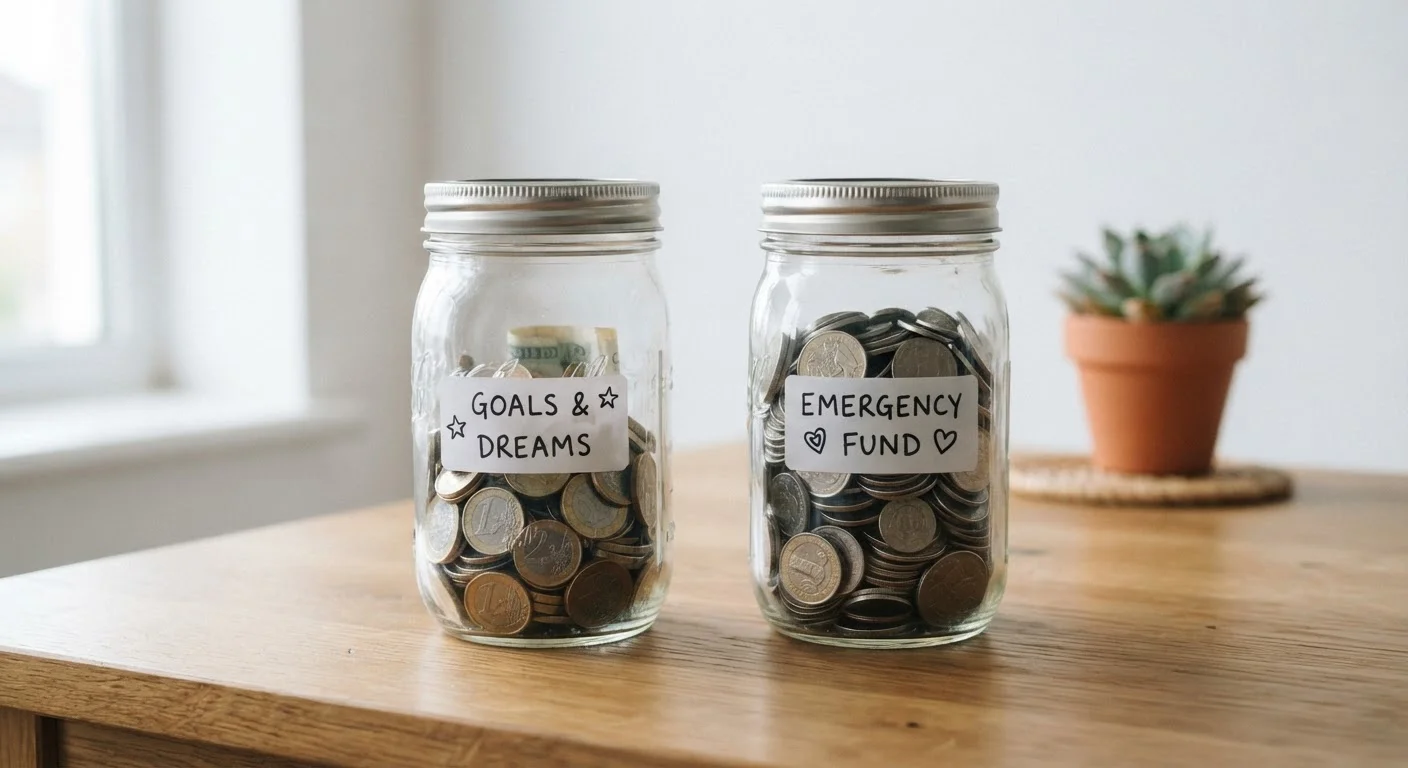
Common misuses include planned travel, non-essential home improvements, holiday or birthday spending, and routine vehicle maintenance. These are real financial needs - but they belong in planned savings categories, often called sinking funds, rather than in your emergency reserve. If you're sorting out short-term savings goals versus emergency reserves, keeping these buckets clearly labeled makes decision-making much simpler.
Liquidity: Why It Matters More Than Returns
An emergency fund must be liquid - meaning you can access the money quickly, in full, without penalty or delay. This requirement immediately rules out several otherwise sensible financial vehicles.
Retirement accounts, brokerage investments, certificates of deposit with early-withdrawal penalties, and illiquid assets like real estate do not function as emergency funds, even if they hold significant value. In a sudden crisis, waiting for a market window to sell, or paying a penalty to exit a CD early, undermines the entire purpose of having the reserve.
Most financial educators point to high-yield savings accounts or money market accounts as appropriate homes for emergency funds - they offer a degree of interest while remaining fully accessible. That said, the account type matters less than two things: the funds are separate enough from your daily accounts to reduce impulse spending, and you can reach them within one to two business days when needed. Our related article on keeping your emergency fund in a separate account explores the trade-offs of different storage approaches in detail.
Automate to Remove the Decision
One of the most effective ways to build an emergency fund is to treat it like a bill: set up an automatic transfer to a dedicated savings account on every payday. Even small, consistent transfers - $25 or $50 per pay period - accumulate meaningfully over time without requiring ongoing willpower.
Building the Fund Without Straining Your Budget
Many people delay starting an emergency fund because the recommended three-to-six-month target feels unreachable. Financial educators broadly agree that starting small is far more valuable than waiting for ideal conditions. Even $500 to $1,000 provides meaningful protection against the most common minor emergencies.
The priority sequence most financial frameworks suggest: establish a small starter emergency fund before aggressively paying extra on debt, then build toward a full fund once high-interest obligations are managed. This prevents a single unexpected expense from dismantling a debt repayment plan.
If you're navigating a tight budget and wondering where to begin, building your first emergency fund when money is tight offers a realistic, step-by-step framework. And once you have a fund in place, assessing whether your emergency fund is truly fit for purpose can help you evaluate whether it's actually structured to do its job.
This article is for general informational and educational purposes only and does not constitute personalized financial advice. Consult a qualified financial adviser for guidance tailored to your specific situation.