
Why Small Habits Carry Outsized Weight
A savings balance doesn't usually collapse from a single large misstep. More often, it stalls - or slowly shrinks - because of patterns that individually seem too small to matter. A subscription renewed without notice. A delivery fee absorbed without thought. A savings transfer skipped because the timing felt inconvenient.
Each of these is a decision, even when it doesn't feel like one. And it's exactly that invisibility that gives these habits their staying power. The following list identifies the most common offenders, explains the mechanism behind each, and offers a practical starting point for addressing them.
A Note on Scope
This article covers general spending patterns and their cumulative effect on savings - it is not personalised financial advice. The figures cited are illustrative estimates based on commonly observed spending ranges, not guarantees of what any individual will save or spend. For guidance tailored to your situation, consider consulting a licensed financial adviser or certified financial planner.
Six Habits Worth Examining
Subscription Drift
Streaming services, app upgrades, cloud storage tiers, gym add-ons - each is individually defensible. Collectively, they can quietly consume $100-$200 or more per month. The problem isn't any single service; it's that auto-renewal removes the friction of an active decision.
A quarterly audit - checking bank and credit card statements for recurring charges - typically surfaces at least one or two subscriptions that no longer reflect actual use. Cancelling even two modest services can redirect meaningful money toward savings without changing daily quality of life.
Auto-renewal removes the friction of a decision, letting unused services drain savings unnoticed.
Convenience Markups on Everyday Purchases
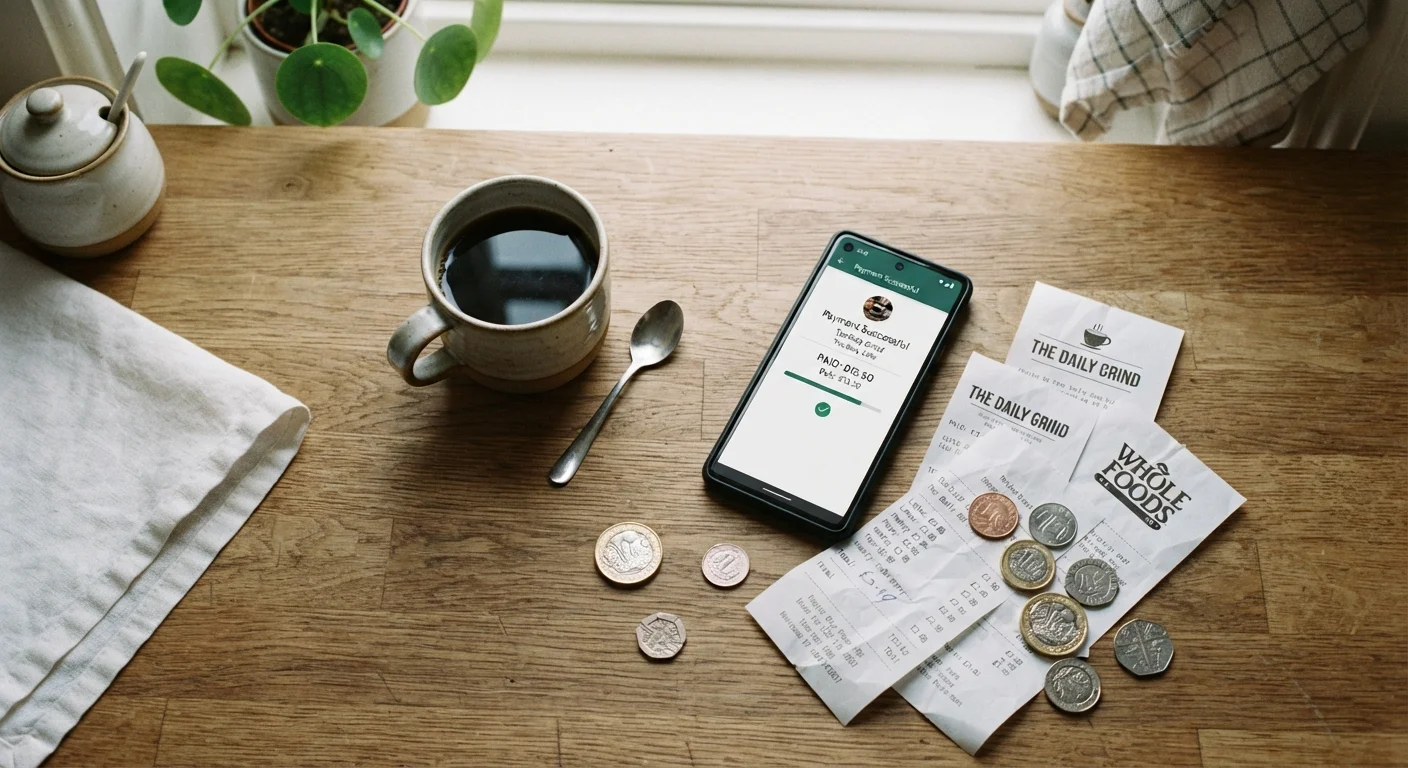
Delivery fees, service charges, and single-serve packaging all carry a premium over their base-cost equivalent. A $3 coffee purchased daily adds roughly $90 per month - not because coffee is frivolous, but because the per-unit cost is significantly higher than brewing at home. Delivery surcharges on groceries or meals can add 20-40% to the underlying order total.
The goal isn't to eliminate convenience - it's to make the cost conscious rather than invisible. Choosing one fewer delivery per week or batching errands is often enough to recapture $30-$50 monthly.
Delivery surcharges can add 20-40% to the cost of an order most people assume is already budgeted.
Impulse Buying Triggered by Notifications
Retailers and apps are engineered to prompt purchases at moments of low resistance - commute scrolls, lunch breaks, late evenings. Push notifications from shopping apps, flash-sale emails, and social media storefronts bypass the deliberate consideration that protects a budget.
Disabling shopping app notifications and using browser extensions that introduce a delay before checkout are practical friction points. Studies in behavioral economics consistently show that adding even a short pause between impulse and action significantly reduces unplanned purchases. For a deeper look at why good intentions buckle under these pressures, see the psychology of saving.
Adding a short pause between impulse and checkout is one of the most evidence-backed ways to cut unplanned spending.
Rounding Down Mental Accounting
Most people estimate their spending rather than tracking it precisely, and the estimates tend to skew low. A $7.50 charge gets mentally rounded to "about five dollars." A $23 restaurant tab becomes "around twenty." These small distortions compound across dozens of weekly transactions into a significant gap between perceived and actual spend.
Tracking even two weeks of real transactions - using a spreadsheet or a budgeting app - often reveals a gap of 15-25% between estimated and actual discretionary spending. The budgeting basics hub covers practical frameworks for making this tracking sustainable rather than burdensome.
The gap between estimated and actual discretionary spending is routinely 15-25% for most households.
Letting Savings Sit in Low-Yield Accounts
This habit doesn't involve spending at all - but it quietly erodes purchasing power over time. Many people keep savings in default checking or basic savings accounts earning near-zero interest, while higher-yield alternatives exist within the same general banking landscape.
Understanding what account types are available - and what each is suited for - is worth the research time. Savings accounts explained provides a plain-language breakdown of the main options. This isn't personalised financial advice; the right account depends on individual circumstances, liquidity needs, and risk tolerance.
Leaving savings in a near-zero-yield account quietly erodes purchasing power even when no money is spent.
Skipping Automation on Savings Transfers
When saving is an active, manual decision made each month, it competes with every other spending priority - and often loses. Behavioral research consistently finds that people save more reliably when the transfer happens automatically before discretionary spending begins.
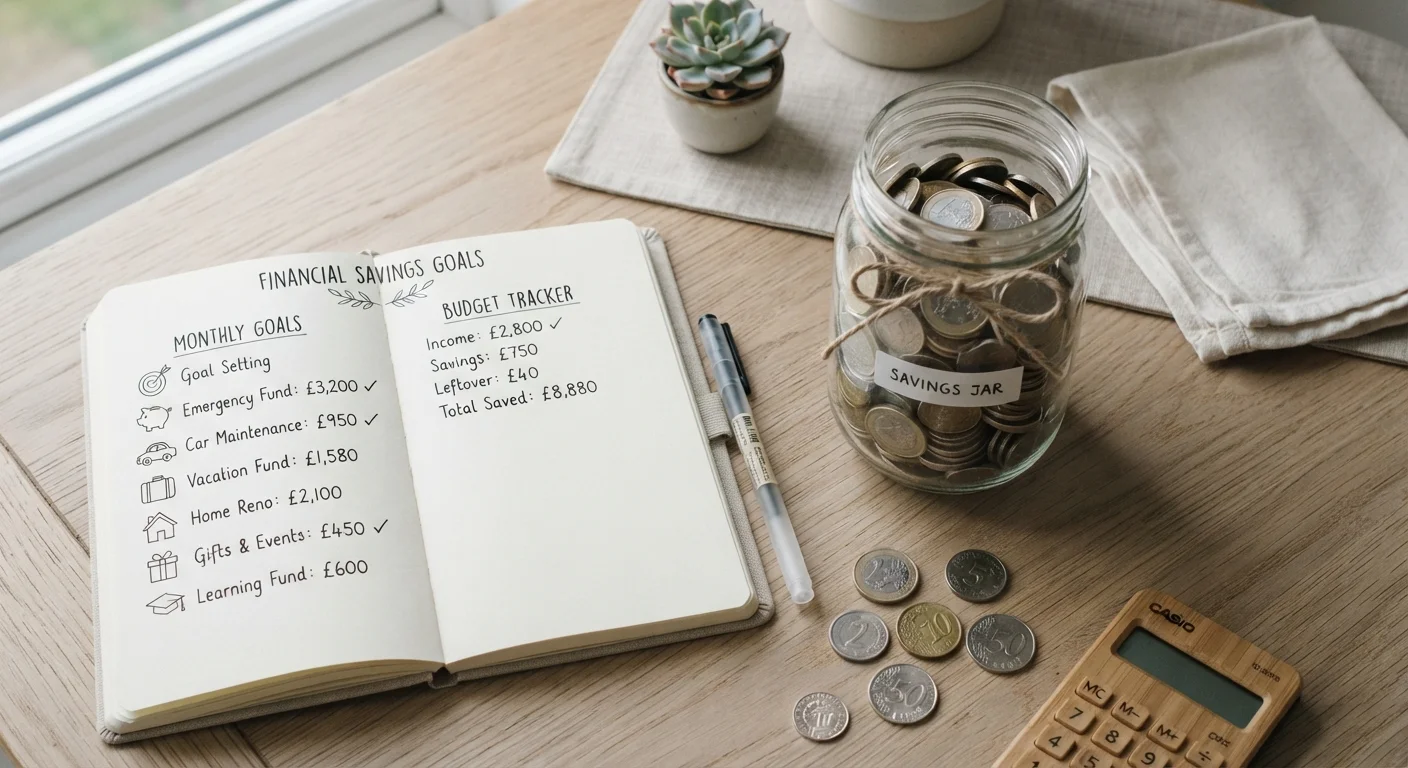
Setting up a recurring transfer, even a modest one, removes the need for willpower on any given payday. Automating your savings offers practical guidance on structuring these transfers so they stick. Consistent, automated contributions - however small - build the balance that manual intentions rarely achieve.
Saving reliably requires removing the monthly decision entirely - automation is the mechanism that makes this possible.
Turning Awareness Into Action
The habits above share a common thread: they work because they stay below the threshold of active attention. Addressing them doesn't require overhauling a lifestyle - it requires bringing each one into deliberate view, one at a time.
A useful starting point is a single focused audit: pull three months of bank and card statements and categorize every recurring charge and convenience markup. Most people find at least two or three immediate adjustments that require no sacrifice - only awareness. From there, pairing that awareness with even basic automation creates a durable system. Common savings myths are also worth examining, since beliefs like "I'll save more when I earn more" can keep these habits in place longer than the habits themselves.
This article is for general informational and educational purposes only and does not constitute personalised financial, investment, or tax advice. Individual circumstances vary. Consult a qualified financial professional before making decisions about your savings or financial plan.