

Why Irregular Costs Break Budgets
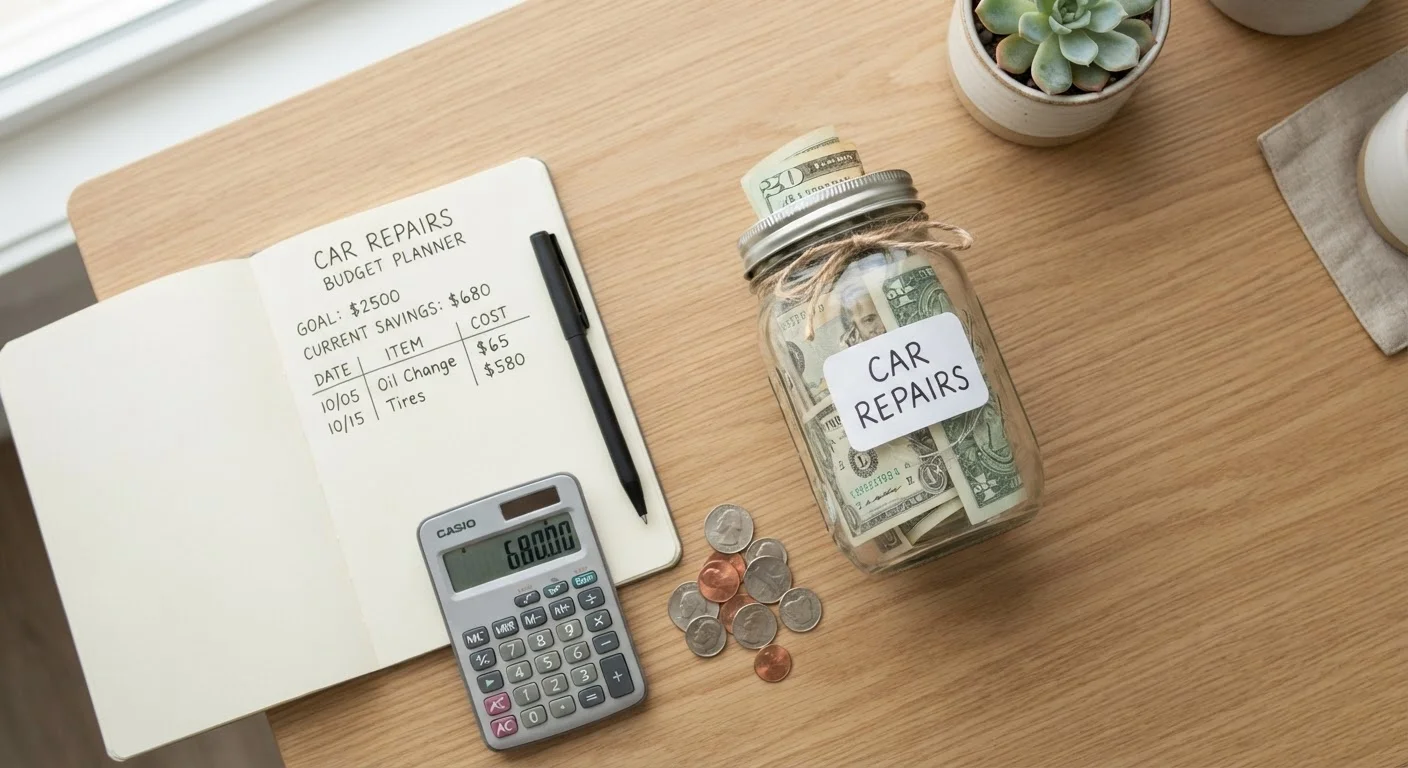
Most budget templates are built around monthly expenses: rent, utilities, groceries, streaming services. That structure works well until December arrives with holiday gift lists, or February brings a $1,200 car repair bill. These costs aren't surprises in the truest sense - you knew they were coming eventually - but they weren't in the monthly plan, so they cause real financial stress.
This is one of the most common reasons budgets collapse. If you've ever felt like you were doing everything right and still falling short, irregular expenses may be the culprit. The math wasn't wrong; the planning horizon was too short.
Understanding the difference between expenses that recur monthly and those that don't is the first step toward fixing this. Fixed and variable expenses each have their own budgeting logic - but neither category fully captures costs that are predictable yet infrequent. That's exactly the gap sinking funds fill.
How to Calculate and Set Up a Sinking Fund
The math is intentionally simple. Estimate the total cost of the upcoming expense, then divide by the number of months until you need the money. That's your monthly contribution.
$400
Average unexpected car repair cost
According to AAA, the average American driver faces unexpected vehicle repair costs that can range from several hundred to over a thousand dollars per incident.
1 in 3
Americans who can't cover a $400 emergency
Federal Reserve surveys have consistently found that a significant share of US adults would struggle to cover an unexpected $400 expense without borrowing or selling something.
$1,500+
Average annual holiday spending per household
National Retail Federation data indicates US consumers spend over $1,000-$1,500 on average during the holiday season, including gifts, food, and decorations.
- Holiday spending: Budget $900 total, 9 months away = $100/month
- Annual car insurance premium: $1,440 per year = $120/month
- Home repair reserve: $2,400 target over 12 months = $200/month
- Annual subscriptions: $360/year = $30/month
Once you've done the calculation, open a dedicated account or sub-account for each fund and automate the transfer on payday. Automation removes the temptation to skip a month when cash feels tight. Label each sub-account clearly - "Car Maintenance," "Holiday Gifts," "Home Repairs" - so the purpose stays top of mind.
If your income fluctuates, you may need to adjust contribution amounts in lower-earning months. Budgeting on a variable income requires a slightly different approach, but the sinking fund concept applies just as well - you may simply contribute variable amounts rather than a fixed sum.
What Makes a Good Sinking Fund Category
Not every sporadic expense warrants its own fund. Good candidates share two traits: the cost is reasonably predictable in size, and it recurs often enough to plan for. One-time expenditures that are truly unpredictable - a job loss, a major medical emergency - belong in an emergency reserve, not a sinking fund.
A practical starting list for most households includes:
- Vehicle maintenance and registration
- Homeowner or renter insurance annual premiums
- Holiday and gift spending
- Travel and vacation costs
- Medical deductibles or dental work
- Back-to-school supplies
- Annual software subscriptions or membership renewals
Review your last 12 months of bank and credit card statements to find every non-monthly charge. Most people discover three to eight recurring annual costs they had been treating as surprises. Naming them and funding them in advance transforms them from budget-busters into planned line items.
Sinking Funds vs. Emergency Funds: Keep Them Separate
It's tempting to think one large savings pot can do both jobs - covering planned irregular costs and absorbing genuine emergencies. In practice, blending the two creates a false sense of security. If your "savings" account quietly drains each December for holiday gifts, it won't be there when your furnace fails in January.
Your emergency fund should remain untouched except for genuine, unplanned crises. Sinking funds, by contrast, are meant to be spent - that's the whole point. Keeping them in separate, labeled accounts reinforces that distinction at a behavioral level. For a deeper look at why this separation matters, see short-term savings goals vs. emergency reserves.
A budget built around sinking funds is also more resilient when something genuinely unexpected does happen. Because your planned irregular costs are already funded, an emergency doesn't have to disrupt the rest of your spending plan. Building a budget that can survive a financial setback often starts with exactly this kind of structural separation.
This article provides general financial education and is not personalized financial advice. Consider consulting a qualified financial professional for guidance specific to your situation.