
Why Credential Fraud Is a Growing Problem
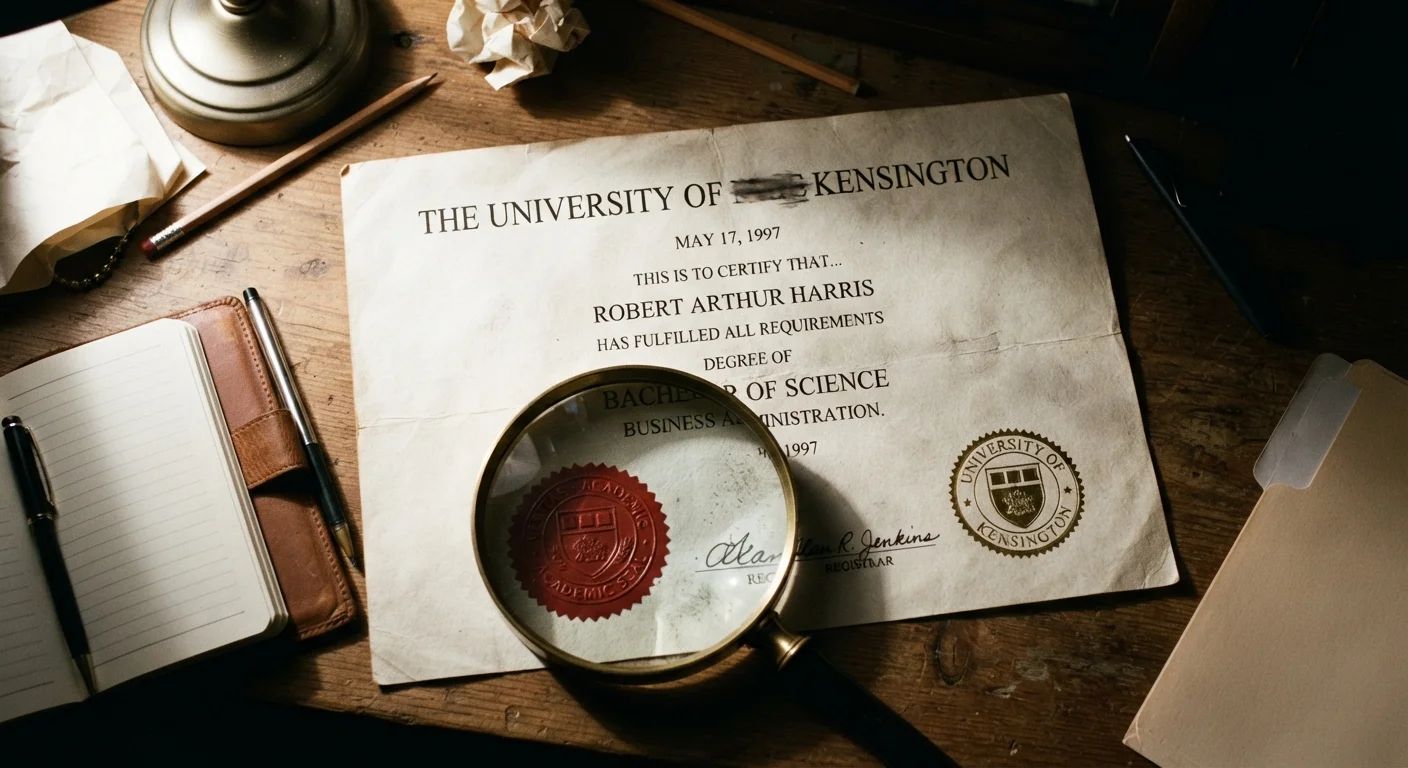
The expansion of online education has created enormous opportunity for legitimate learners - and for fraudulent operators. A credential mill (also called a diploma mill) is an entity that sells academic degrees or certificates with minimal or no genuine education, relying on official-looking documents to deceive employers, licensing boards, and the public.
The problem is not confined to obvious scams. Some mills operate for years with sophisticated websites, invented accreditors, and even physical campuses. Employers have grown more vigilant - background screening services now routinely flag credentials from known mills - but the list of questionable institutions continues to evolve.
Understanding how credentials are actually validated matters whether you are a job seeker evaluating a new program, an employer reviewing applications, or a career changer weighing education options. For context on how legitimate credentials are viewed in hiring and graduate admissions, see how employers and graduate schools view different types of degrees.
Fake Credentials Carry Real Legal Risk
Using a fraudulent degree on a job application, professional license application, or federal form can constitute fraud under state or federal law. Consequences range from termination and reputational damage to criminal charges. If you are uncertain whether a credential you hold is legitimate, verify it through the channels described in this guide before listing it on any official document.
What Makes a Credential Legitimate
In the United States, the legitimacy of an academic credential rests primarily on accreditation - a quality-assurance process in which an independent body evaluates whether an institution meets established educational standards. Accreditation status affects whether credits transfer, whether a degree is accepted for graduate study, and whether a license applicant is considered qualified.
Not all accreditation is equivalent. The U.S. Department of Education and the Council for Higher Education Accreditation (CHEA) both maintain lists of recognized accrediting bodies. An institution accredited only by an unrecognized body is, for most practical purposes, treated as unaccredited. Why accreditation status matters more than a credential's name explains this distinction in detail.
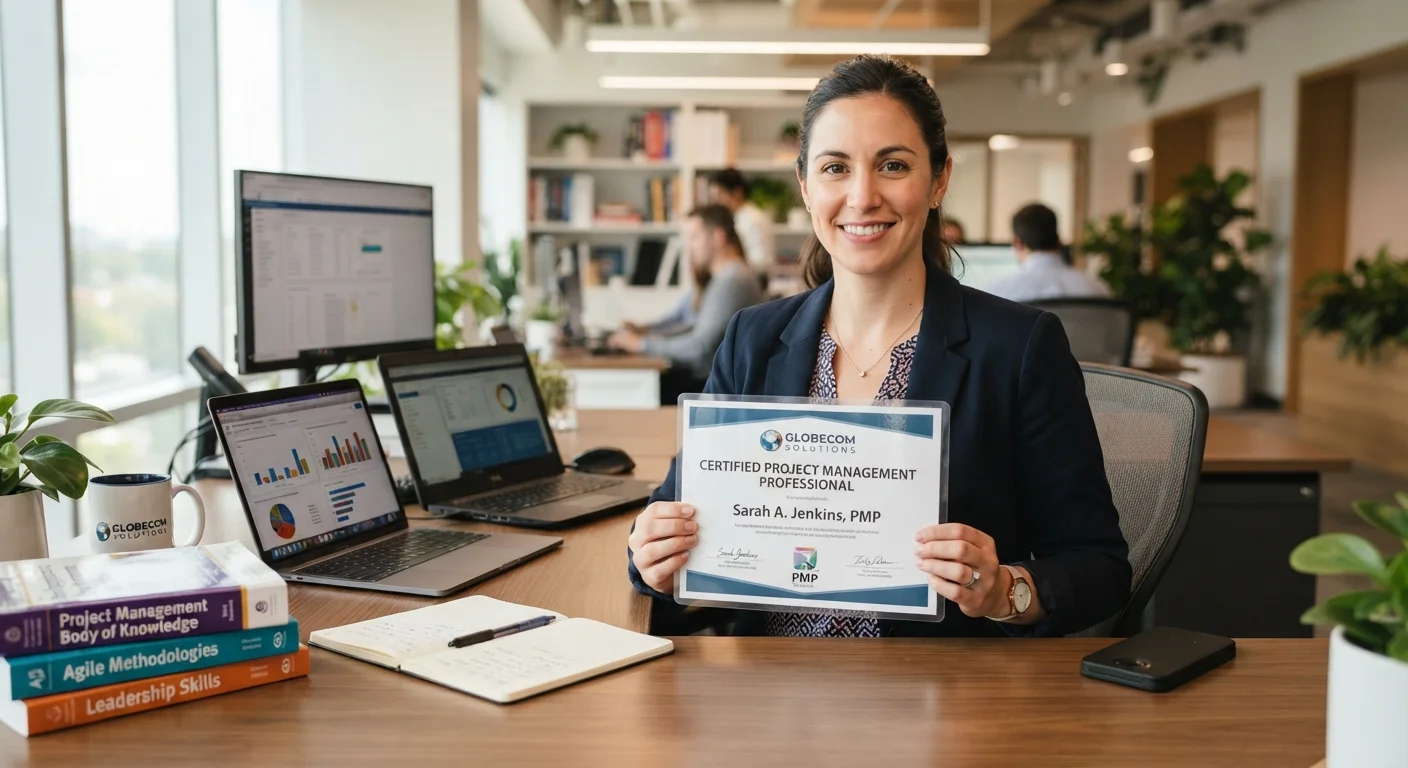
For certifications rather than degrees, legitimacy typically comes from industry recognition: whether practitioners in the field, employers, and licensing boards consistently accept the credential as evidence of competency. These are two separate verification pathways, and the steps below walk through both.
Use Official Databases - Not Search Engines Alone
A school can rank high in search results and still be unaccredited. Always verify accreditation through DAPIP (ope.ed.gov/dapip) or CHEA (chea.org) directly. For professional certifications, check with the relevant industry body or licensing board rather than relying on a program's marketing materials.
Before beginning the verification steps, gather the tools you will need:
U.S. Department of Education DAPIP
Confirms whether a postsecondary institution holds recognized accreditation in the United States.
CHEA Database (chea.org)
Independently verifies both accredited institutions and the accrediting organizations themselves.
State Higher Education Agency
Each state licenses degree-granting institutions; the state agency can confirm whether a school is authorized to operate locally.
National Student Clearinghouse
Allows employers and individuals to verify enrollment and degree completion records from participating institutions.
Step-by-Step: How to Verify Any Credential
Follow these steps in order. Each one narrows the picture - if a credential clears all of them, you can proceed with reasonable confidence. If it fails at any point, treat the result seriously before investing time or money.
Identify the exact accreditation claim
Collect the school or program's full legal name and any accreditor it claims. Diploma mills often list accreditors with impressive-sounding names that do not appear in any official registry. Write down the claim exactly as stated - spelling variations are sometimes used intentionally to cause confusion.
Search the U.S. Department of Education's DAPIP
Go to the Department of Education's Database of Accredited Postsecondary Institutions and Programs (DAPIP) at ope.ed.gov/dapip. Search by institution name. If the school does not appear - or the accreditor listed on the school's site is not the same one shown in DAPIP - treat that as a significant red flag.
Verify the accrediting body itself
Look up the accreditor - not just the school - in the CHEA database at chea.org. Recognized accreditors go through a rigorous review process. An accreditor that appears only on the school's own site, lacks a verifiable physical address, or is not in either the DAPIP or CHEA databases is almost certainly fabricated.
Check state authorization
Every state requires degree-granting schools to obtain authorization to operate. Contact your state's higher education agency - most have a searchable online list - to confirm the institution is licensed. An unaccredited school operating without state authorization is operating illegally in most U.S. states.
Look up professional or industry certifications separately
Certifications from industry bodies (IT, healthcare, finance, project management, etc.) are not regulated the same way as academic degrees. Verify them directly through the issuing organization's official verification portal or through the relevant licensing board in your state. Be aware that some certificates are issued by private companies with no third-party oversight - these may carry limited recognition.
Watch for diploma mill warning signs in the program itself
Review the program's admissions requirements, cost structure, and time-to-degree claims. The following patterns are strongly associated with credential fraud:
- Degrees awarded based entirely on "life experience" with no coursework
- A degree offered in days or weeks regardless of the field
- Flat fees paid per degree rather than per credit or course
- No listed faculty with verifiable credentials
- Pressure to enroll immediately or claims that accreditation is "in process"
Document your findings and decide next steps
Record the results of each check - screenshots, search results, and correspondence - so you have a clear record. If a credential you already hold fails these checks, consult the institution directly for clarification before taking any action. If you are considering enrollment, use your findings to make a fully informed decision. Our enrollment research checklist provides a structured framework for this final review.
Once you have verified a program's legitimacy, you may also want to evaluate whether its specific credential format - degree, certificate, microcredential - fits your goals. Microcredentials and stackable credentials offers an honest look at newer credential formats and where they do and do not carry weight.
What to Do If You Suspect a Credential Is Fraudulent
If verification reveals that a credential - yours or one listed by a job applicant - is from an unaccredited or fraudulent source, the right response depends on your situation.
If you are an individual: Do not continue listing an unverifiable credential on applications or professional profiles. Consult the institution for clarification; if none is forthcoming, seek legal or career counseling before deciding how to proceed. Replacing a dubious credential with a legitimate one from an accredited institution is a straightforward path forward - consult our enrollment research checklist before choosing a replacement program.
If you are an employer or HR professional: Use consistent, documented verification procedures for all candidates to avoid both fraud and discrimination claims. National Student Clearinghouse verification and direct contact with the institution's registrar are standard practice.
Accreditor Names Can Be Fabricated Too
Some diploma mills create fake accrediting bodies with official-sounding names to appear legitimate. Always cross-reference any accreditor against the U.S. Department of Education's Database of Accredited Postsecondary Institutions and Programs (DAPIP) or the Council for Higher Education Accreditation (CHEA) database - not just the school's own website.
This article is for informational and educational purposes only. It does not constitute legal advice. Individuals facing potential legal consequences related to credential fraud should consult a qualified attorney.