
Why Spray Foam Has a Reputation Problem
Spray polyurethane foam (SPF) insulation has become one of the more polarizing materials in home improvement discussions. Contractors often promote it enthusiastically; DIY forums occasionally treat it with suspicion. Both camps tend to overstate their case, and homeowners are left sorting through conflicting information before making an expensive decision.
The confusion is partly structural: spray foam is not a single product. It spans a range of formulations, application methods, and performance characteristics. Treating it as one monolithic material - either miracle solution or hazardous shortcut - leads to poor decisions in both directions.
Below, we address the five most widespread misconceptions directly, drawing on established material science and publicly available guidance from agencies including the EPA and the U.S. Department of Energy.
Myth
All spray foam insulation is the same - it doesn't matter which type you choose.
Fact
Open-cell and closed-cell spray foam are chemically and functionally distinct products suited to different applications.
Open-cell foam has a lower R-value (roughly R-3.5 to R-3.7 per inch) and is vapor-permeable, making it better suited for interior walls and soundproofing. Closed-cell foam achieves R-6 to R-7 per inch, acts as a vapor barrier, and provides structural rigidity - useful in crawl spaces, rooflines, and exterior applications. Choosing the wrong type for your project can result in moisture problems or underperforming insulation.
Myth
Spray foam insulation is toxic and will make your home unsafe to live in.
Fact
Cured spray foam is generally considered inert and safe; the hazard window is during and immediately after application.
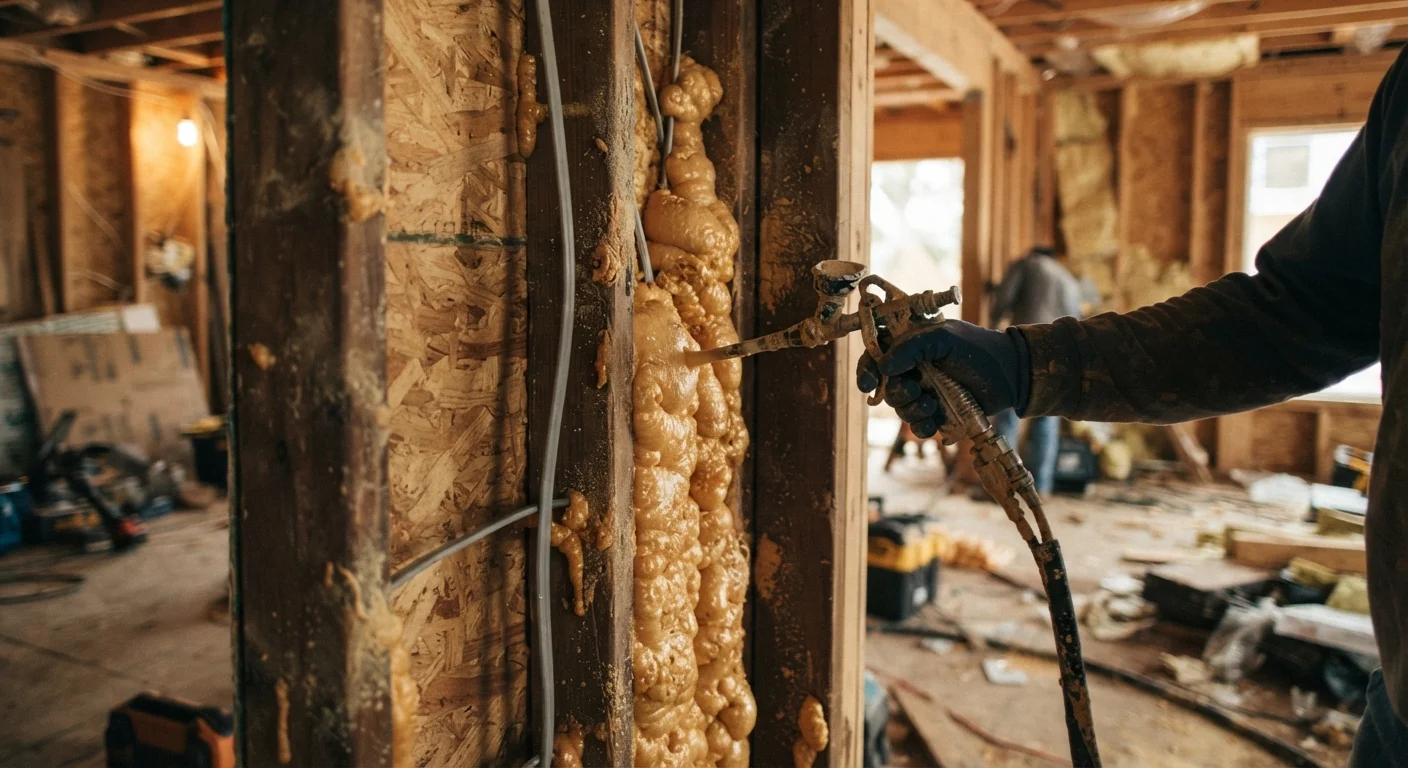
The chemicals in spray foam - isocyanates and polyols - are reactive and can irritate the skin, eyes, and respiratory system during application and while the foam is off-gassing. However, once fully cured (typically 24 hours, though manufacturers' instructions vary), the product is largely stable. The U.S. Environmental Protection Agency advises that occupants vacate during application and follow re-entry time recommendations provided by the installer. Proper ventilation during the cure period is the key safety step.
Myth
Spray foam insulation is a straightforward weekend DIY project anyone can tackle.
Fact
Small gap-filling kits are genuinely DIY-friendly, but whole-wall or attic applications require professional equipment and training.
Two-component spray foam systems require precise mixing ratios, temperature-controlled equipment, and appropriate personal protective equipment including respirators. Improper mixing ratios produce foam that never fully cures, leading to ongoing off-gassing and poor performance. Many municipalities also require permits for whole-home insulation projects, and some building codes specify that certain applications must be covered by a thermal barrier such as drywall after installation. Always verify local code requirements before starting.
Myth
Spray foam insulation means you'll never have moisture problems again.
Fact
Spray foam reduces air infiltration significantly but does not eliminate all moisture pathways in every installation.
Closed-cell foam acts as an effective vapor barrier, but open-cell foam is vapor-permeable and can absorb moisture in very humid climates if not paired with an appropriate vapor control strategy. Additionally, spray foam applied over existing moisture problems - such as a damp basement rim joist - can trap that moisture and accelerate wood rot. A moisture assessment before installation is an important step, not an optional one.
Myth
Spray foam insulation is not worth the cost compared to fiberglass batts.
Fact
Spray foam typically costs more upfront, but its superior air-sealing performance can yield measurable energy savings over time.
Fiberglass batts insulate well in lab conditions but are highly susceptible to performance loss when air moves through gaps and seams - a problem spray foam eliminates. The U.S. Department of Energy has noted that air sealing combined with insulation is one of the most effective ways to reduce heating and cooling costs. Whether the return justifies the premium depends on your climate zone, your home's existing air leakage, and how long you plan to stay in the house. Neither material is universally superior for every situation.
What to Do Before Committing to Spray Foam
Understanding what spray foam can and cannot do is the first step. The second is assessing whether it's the right fit for your specific project.
Never Re-Enter Too Soon After Application
Occupants - including pets - should vacate the home during spray foam application and for the full re-entry period specified by the product manufacturer, typically a minimum of 24 hours. Exposure to uncured foam chemicals can cause respiratory irritation, eye irritation, and in some cases sensitization that leads to long-term chemical sensitivity. Ventilate the space thoroughly before re-occupancy.
Start with an energy audit if you're considering whole-home insulation. A blower-door test identifies where your home's air leakage is concentrated - that data tells you whether spray foam's air-sealing advantage is worth the price premium in your situation. Many utility companies offer subsidized or free audits.
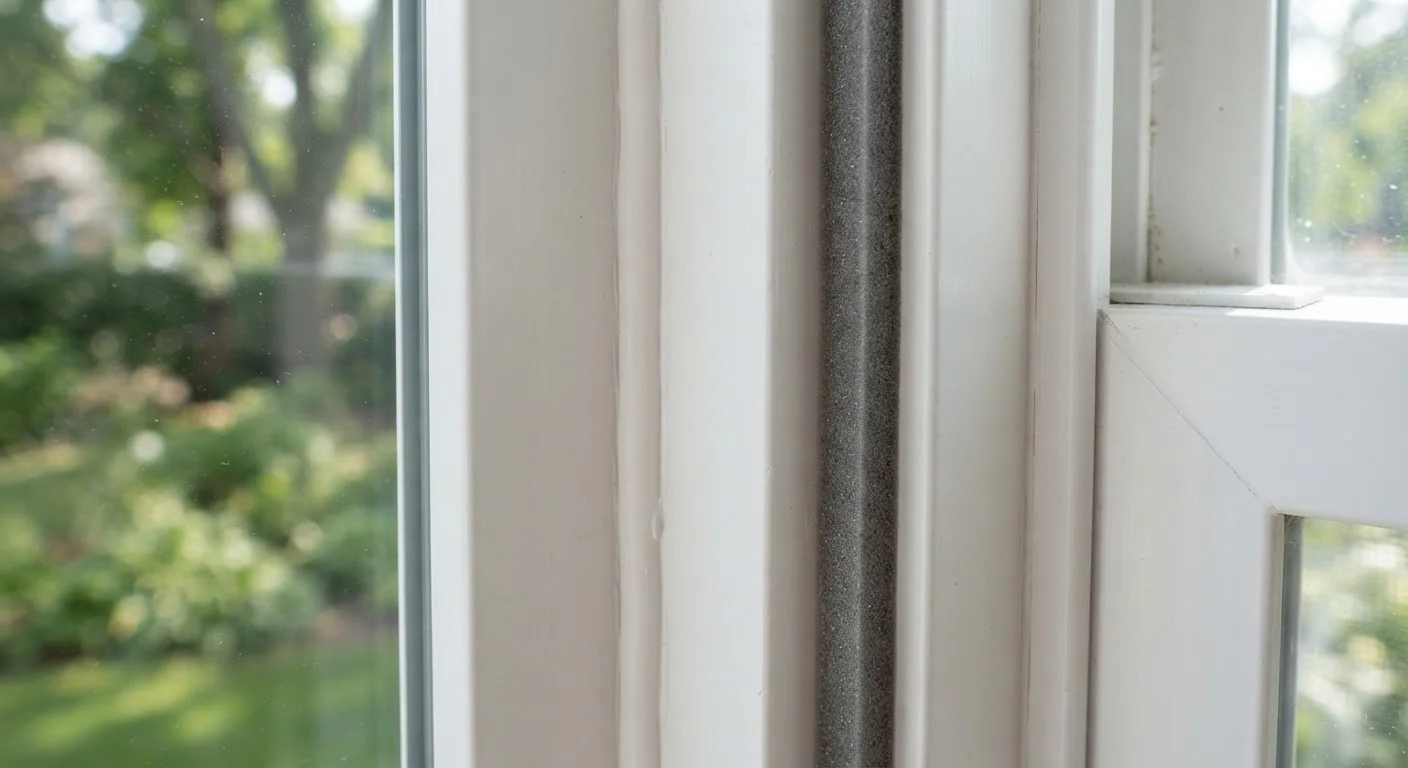
For targeted gap-sealing around window frames, pipe penetrations, or rim joists, consumer-grade one- or two-component cans are a practical and relatively low-risk option. For anything larger - attics, crawl spaces, wall cavities - budget for a licensed insulation contractor, get multiple quotes, and ask specifically which foam type they intend to use and why.
Finally, verify your local building code requirements. Spray foam installed without required permits or not covered by a required thermal barrier can create complications at resale and may need to be remediated at your expense.