
Why Prep Work Decides the Outcome
Ask any experienced painter what separates a professional finish from a disappointing one, and the answer is almost always the same: preparation. Paint is a surface coating - it magnifies whatever lies beneath it rather than hiding it. Dust, grease, cracks, and old loose paint all telegraph through a fresh coat, often within months.
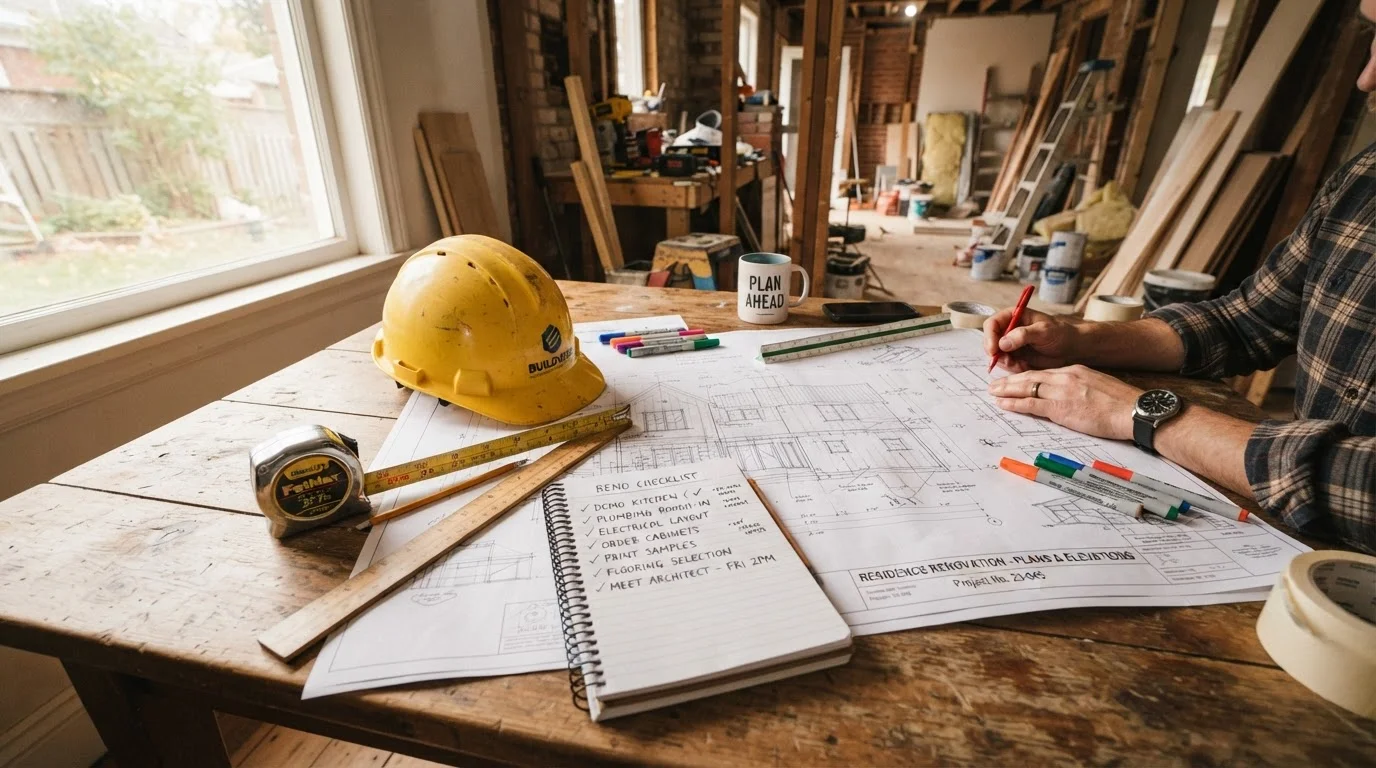
Before you consider colour, sheen, or brand, complete a pre-project audit of the space. Identify moisture issues, note where previous paint is lifting, and check whether any surfaces have been painted with an oil-based product - each of these factors changes your prep approach.
The Core Prep Practices, Step by Step
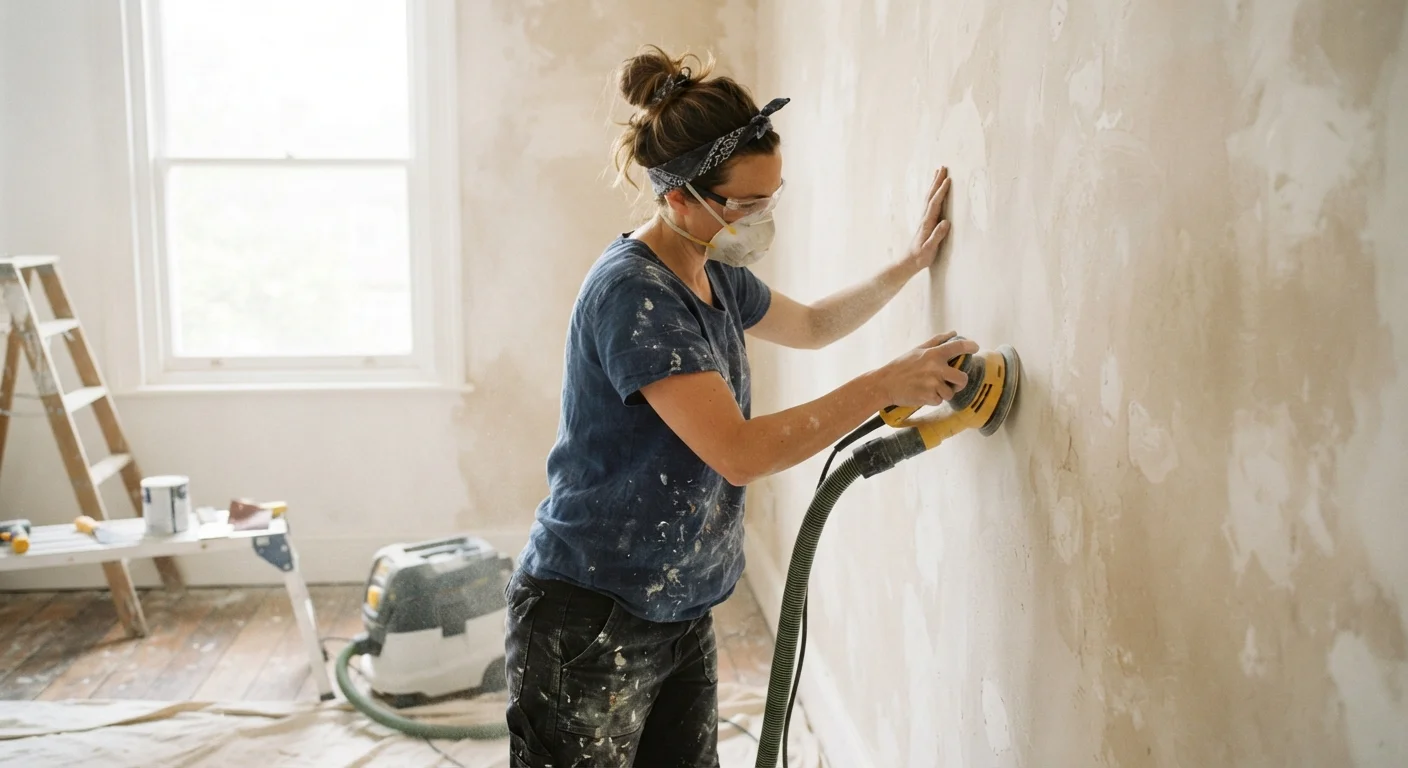
Professional painters follow a consistent sequence. Skipping any step forces a later one to compensate - and that rarely works. Work through the room systematically: ceiling, then walls, then trim.
Primer: The Step Most DIYers Underestimate
Primer is not watered-down paint. It is a purpose-built bonding and sealing agent, and choosing the right type matters. A PVA drywall primer seals new or patched drywall so the topcoat absorbs evenly. A stain-blocking primer (often shellac- or oil-based) locks in water stains, smoke damage, or knots in wood before they bleed through latex paint. On previously oil-painted surfaces, a bonding primer bridges the adhesion gap.
Apply primer after all repairs are fully dry and sanded smooth. One coat is usually sufficient on sound, previously painted walls; new drywall or heavily patched areas may need two. Allow full dry time - check the product label - before applying finish coats.
Homes Built Before 1978: Test for Lead Paint First
If your home was built before 1978, paint on walls and trim may contain lead. Sanding or scraping lead paint creates hazardous dust. The U.S. Environmental Protection Agency (EPA) recommends testing with an inexpensive lead test kit before disturbing any paint in older homes. If lead is present, consult a certified lead abatement professional before proceeding with any prep work.
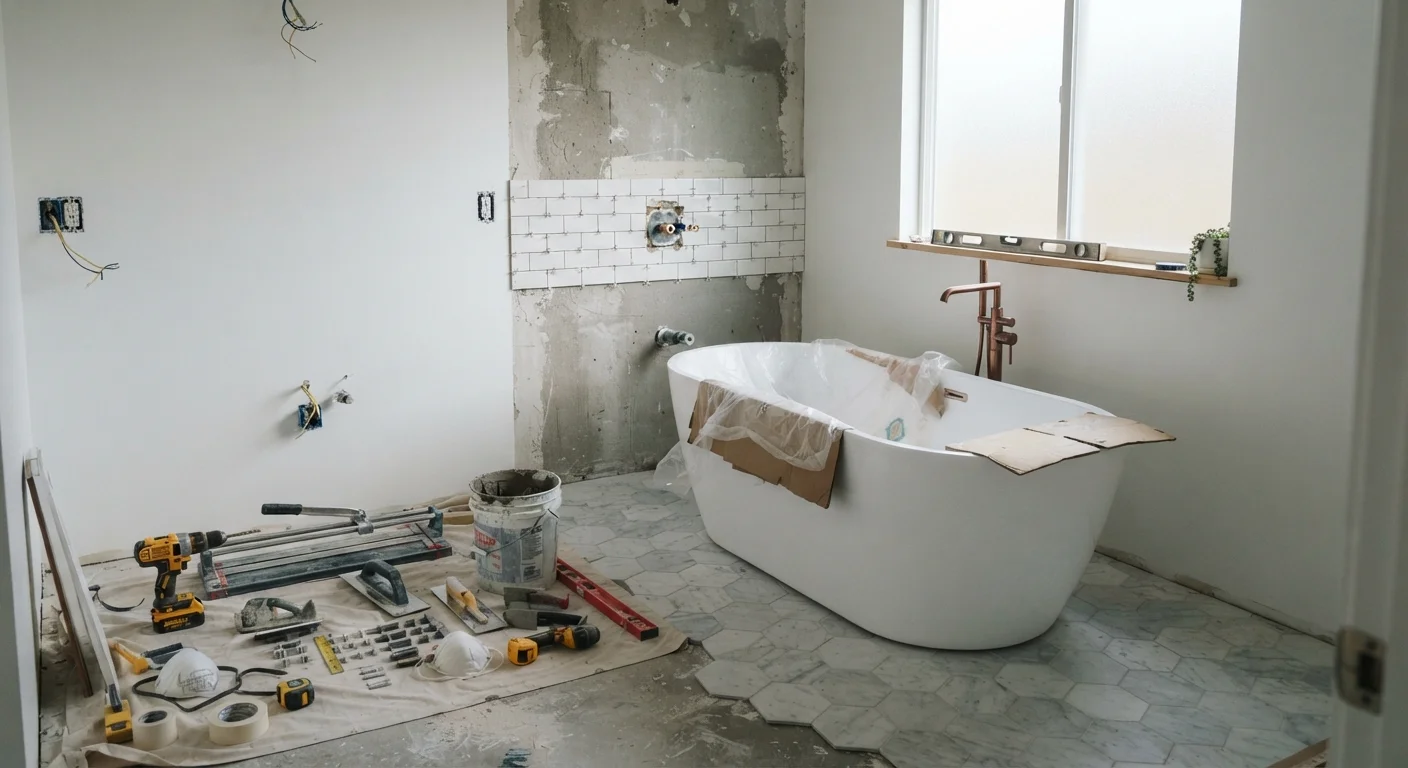
For rooms with persistent humidity, such as bathrooms, pairing thorough prep with the right product type is critical. See our guide on bathroom renovation planning for room-specific considerations beyond paint prep.