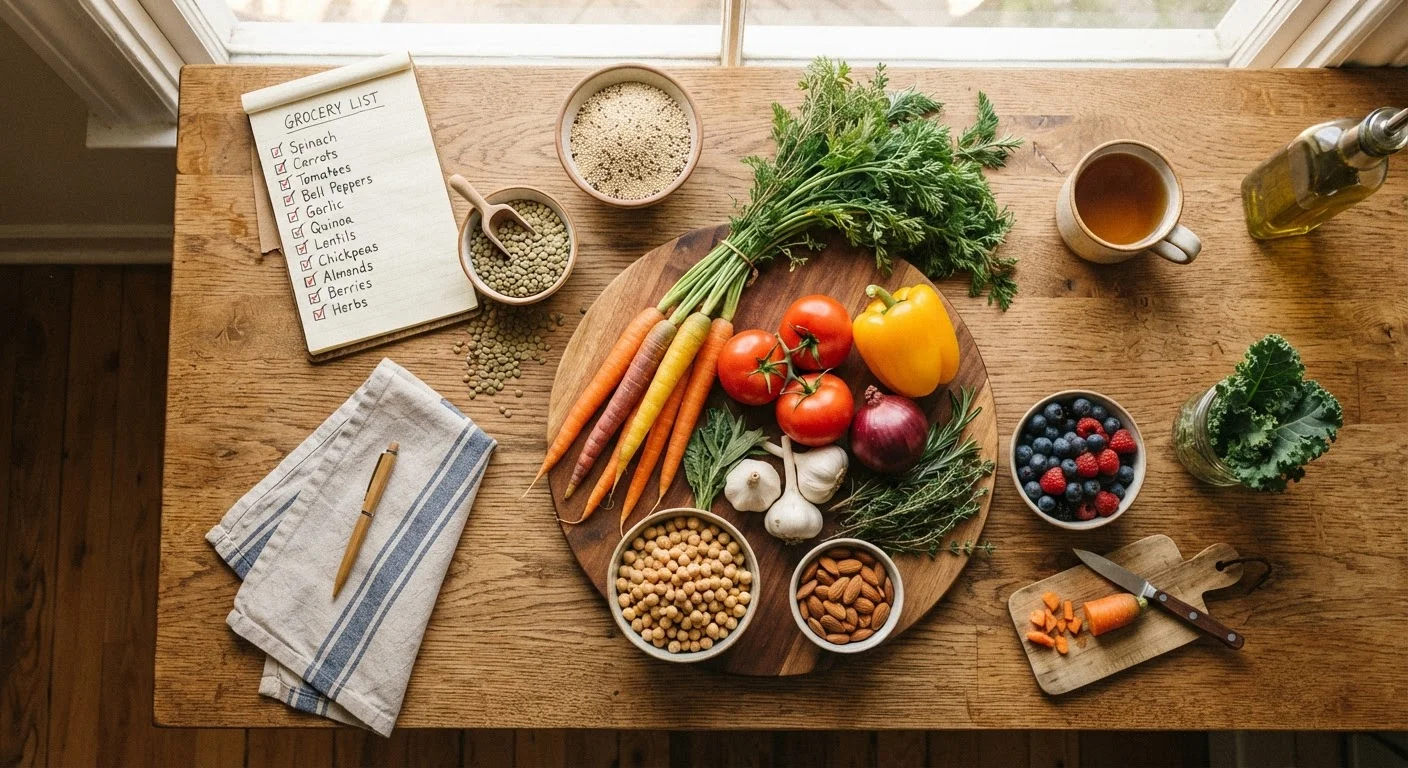
A practical checklist to help you shop with nutritional variety in mind — without overhauling your routine from scratch.
Key Takeaways
Planning your grocery list by food group helps ensure nutritional variety without radical diet changes.
Reviewing what you already have at home before shopping reduces waste and saves money.
Building meals around seasonal produce makes balanced eating more affordable and practical.
A flexible meal framework - not rigid meal plans - is sustainable for most households.
Linking food planning to your monthly budget prevents overspending while maintaining quality.
Why a Weekly Planning Habit Makes a Difference
Most Americans don't struggle with nutrition knowledge - they struggle with implementation. When the week gets busy, default meals tend to crowd out variety, and the same handful of ingredients rotate without intention. A structured weekly planning process addresses this gap without demanding an overhaul of how you eat.
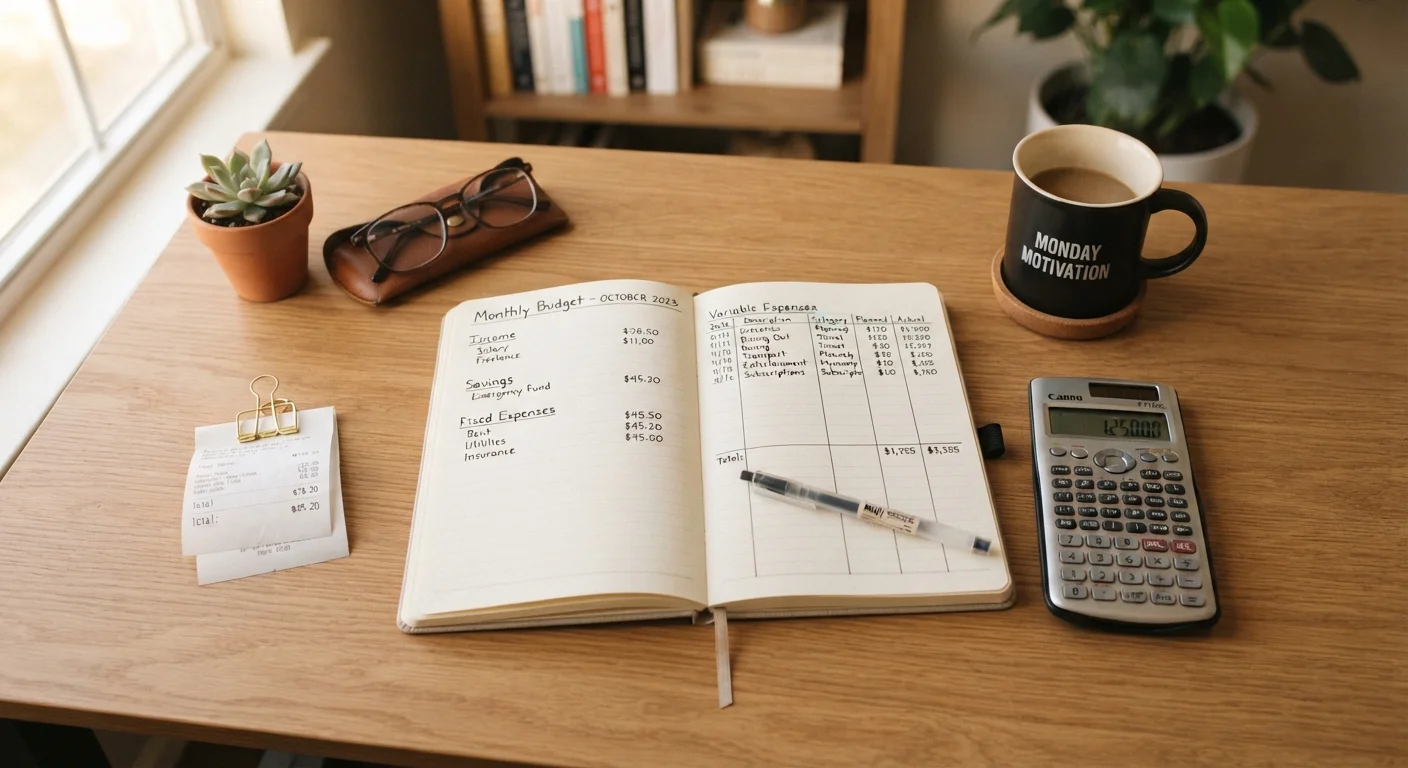
This checklist is designed to take 20-40 minutes once a week. It's not a prescribed diet - it's a practical framework for shopping with nutritional variety in mind. Pair it with a broader look at your household spending: the end-of-month budget review can help you see how food costs fit into your overall financial picture.
Work through the checklist in order. Some steps will become second nature within a few weeks and take only minutes.
Before You Write a Single Item
Check your refrigerator, freezer, and pantry for items that need to be used first, and build at least one meal around them.Must
Note any upcoming schedule constraints - busy evenings call for simpler meals; plan accordingly.Must
Review what produce, proteins, or staples are in season locally, as these are typically more affordable and nutritious at peak ripeness.Should
Check store circulars or your store's weekly deals to align at least one or two meal choices with what's on sale.Nice to have
Building a Varied Meal Framework
Plan for at least three to four different protein sources across the week - this might include legumes, eggs, fish, poultry, or other options you regularly use.Must
Aim to include vegetables of different colors across your planned meals, as color diversity generally reflects a broader range of nutrients.Must
Include at least one plant-forward meal per week - a bean-based dish, lentil soup, or similar - to vary protein sources and add fiber.Should
Ensure whole grains feature in at least half of your grain choices (brown rice, oats, whole-wheat bread, quinoa, and similar options).Should
Plan at least one batch-cook item - a large grain portion, roasted vegetables, or a soup - that can cover two or more meals.Should
Writing the Grocery List
Organize your list by store section (produce, proteins, dairy or alternatives, grains, pantry) to reduce impulse purchases and save time.Must
List quantities next to each item so you buy only what you'll realistically use - overbuying fresh produce is a common source of food waste.Must
Add at least two versatile pantry staples - canned tomatoes, dried lentils, canned beans, oats - that can fill gaps if plans change mid-week.Should
Include healthy snack options (nuts, yogurt, fruit, hummus) so that convenience foods don't fill the gap by default.Should
Double-check that your list reflects your household's any specific dietary needs, allergies, or preferences before finalizing.Must
Post-Shop and Mid-Week Check
Immediately after shopping, wash and prep any vegetables or proteins that can be stored ready to use - this dramatically reduces cooking friction on busy days.Should
Label any prepped or batch-cooked items with the date so you can track freshness accurately.Should
Do a brief mid-week check on perishables and adjust plans if anything needs to be used sooner than expected.Must
Note one thing that worked well and one thing to adjust next week - a simple written note or phone memo is enough.Nice to have
Nutrition Balance Quick-Check
Confirm your week's meals include a source of calcium-rich food (dairy, fortified plant milk, leafy greens, and similar) on most days.Should
Check that added sugars aren't concentrated in multiple meals - scan ingredient labels on sauces, breads, and snacks if uncertain.Should
Verify that sodium-heavy convenience items (canned soups, dressings, packaged sauces) are balanced by whole-food options in the same meals.Should
If any household members have specific health conditions or are in special life stages (pregnancy, older adulthood, childhood), confirm that meal planning aligns with guidance from their healthcare provider rather than general recommendations alone.Must
Tools That Support a Smoother Planning Process
You don't need special software to plan well. The tools below range from free and low-tech to simple digital options - pick what fits how you already work. If you're curious about the tradeoffs between paper and digital approaches more broadly, the digital tools vs. paper planning guide offers a useful framework you can adapt for grocery and meal planning too.
Required
Notepad or notebook
Write out your weekly meal framework and grocery list by hand - a dedicated notebook keeps several weeks of plans in one place for easy review.
Optional
Grocery list app (e.g., a simple notes or checklist app)
Digital lists sync across devices and allow quick edits while shopping; any basic app with checkboxes works.
Optional
Meal planning template (printed or digital)
A simple grid showing days of the week and meal slots helps visualize variety across the full week at a glance.
Required
Pantry inventory sheet
A running list of what's stocked in your pantry, freezer, and refrigerator helps you shop for only what's needed and reduces food waste.
Avoid Planning More Than You Can Realistically Cook
One of the most common planning pitfalls is over-scheduling home cooking for a week that's already full. Ambitious plans that don't get executed lead to produce waste and frustration. Start with planning three to four dinners and build from there - leaving room for leftovers, simple meals, or the occasional dinner out makes a plan you'll actually use.
Good nutrition supports - and is supported by - regular physical activity. If you're also thinking about how to build more movement into your week, the guide to structuring balanced physical activity pairs well with this checklist.
This article provides general nutrition and planning information for educational purposes only. It is not a substitute for personalized advice from a registered dietitian, physician, or other qualified healthcare professional. If you have specific dietary needs, a health condition, or concerns about your nutrition, consult a qualified professional.
Health & Wellness Editorial Team is the collective byline for our editorial team and contributor network. Articles published under this byline or an editorial pen name are researched, written, and reviewed according to our editorial standards for clarity, consistency, and independence before publication.
The content provided on our blog site traverses numerous categories, offering readers valuable and practical information. Readers can use the editorial team’s research and data to gain more insights into their topics of interest. However, they are requested not to treat the articles as conclusive. The website team cannot be held responsible for differences in data or inaccuracies found across other platforms. Please also note that the site might also miss out on various schemes and offers available that the readers may find more beneficial than the ones we cover.