

Why Patterns Matter More Than Individual Foods
Nutrition research has spent decades zooming in on individual nutrients - fat, carbohydrates, protein - only to find that isolating any one element rarely tells the full story. The stronger, more consistent signal in the evidence comes from overall dietary patterns: the combination of foods people eat regularly over time.
Large-scale studies, including the PREDIMED trial and decades of cohort data from the Nurses' Health Study and Health Professionals Follow-up Study, point consistently toward patterns that emphasize whole, minimally processed foods. These eating styles share common features: high vegetable and fruit intake, substantial legume and whole grain consumption, moderate inclusion of lean proteins, and limited reliance on highly processed, sugar-dense, or sodium-heavy products.
Understanding this framing helps cut through the noise. Instead of asking whether a single food is "good" or "bad," the more useful question is: does my overall pattern of eating resemble what the research consistently endorses? For a broader look at how nutrition fits into daily well-being, see the science-backed foundations of long-term well-being.
Eating Patterns With the Strongest Evidence Base
Several broad dietary approaches have accumulated meaningful evidence over time:
- Mediterranean-style eating - characterized by olive oil as the primary fat source, abundant vegetables, fruits, legumes, whole grains, fish, and modest amounts of dairy and red meat. Consistently linked in research to lower cardiovascular risk and better metabolic health markers.
- Plant-forward diets - diets that make plants the majority of intake without necessarily eliminating animal products entirely. This includes flexitarian, vegetarian, and vegan approaches, all of which show benefit when nutritional completeness is maintained.
- DASH eating pattern - originally developed to address hypertension, DASH (Dietary Approaches to Stop Hypertension) emphasizes fruits, vegetables, low-fat dairy, whole grains, and limits on sodium and saturated fat. It remains one of the most evidence-supported frameworks in clinical nutrition.
What these patterns share is more notable than what separates them. All three limit ultra-processed foods, prioritize dietary fiber, and include a wide variety of plant foods. None of them rely on extreme restriction or the elimination of entire macronutrient groups.
“The best diet is one you can maintain long-term - and the evidence consistently favors variety, plants, and minimal processing over any specific rigid protocol.”
— Walter Willett, Professor of Epidemiology and Nutrition, Harvard T.H. Chan School of Public Health
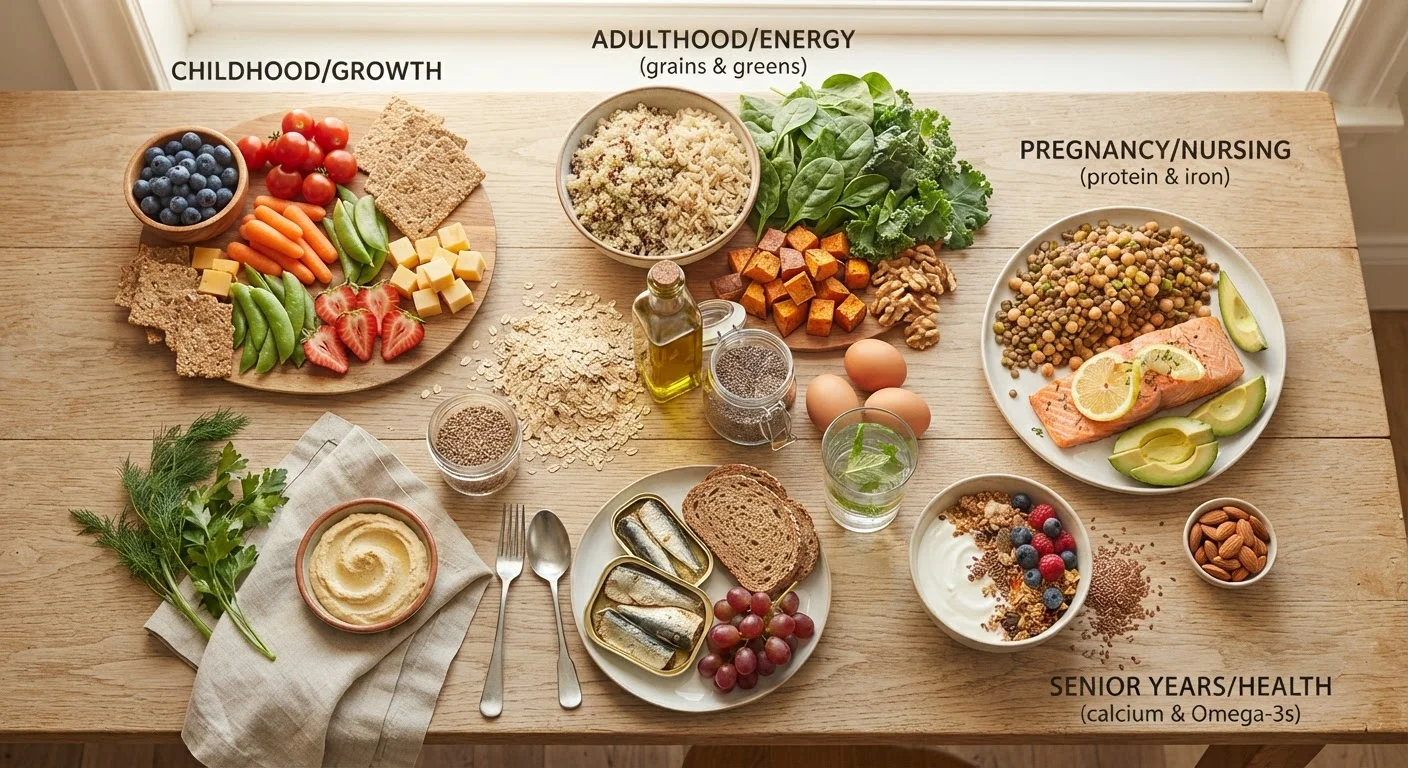
It is worth noting that nutritional needs are not static. As covered in how nutritional needs shift across life stages, key requirements - including for calcium, vitamin D, and protein - change meaningfully from early adulthood onward.
Best Practices for Building a Sustainable Eating Pattern
Build meals around vegetables, legumes, and whole grains as the foundation.
These foods provide dietary fiber, micronutrients, and phytochemicals that are consistently associated with reduced chronic disease risk. They also support satiety without excess caloric density. Most people in the US fall short of recommended fiber intake.
Limit ultra-processed foods rather than eliminating entire food groups.
Ultra-processed foods - defined by the NOVA classification system as industrially formulated products containing additives not typically used in home cooking - are linked in multiple large studies to higher rates of cardiovascular disease, type 2 diabetes, and all-cause mortality. Cutting back on these, rather than demonizing broad categories like carbohydrates or fats, is better supported by evidence.
Include a variety of protein sources, with an emphasis on plant proteins and fish.
High consumption of processed red meat is consistently associated with increased cardiovascular and colorectal cancer risk across large population studies. Replacing some animal protein with legumes, nuts, seeds, and fish appears to confer measurable benefit over time.
Use healthy fats as part of the overall pattern rather than avoiding all dietary fat.
Decades of research have shifted away from low-fat dietary advice toward a focus on fat quality. Monounsaturated and polyunsaturated fats - found in olive oil, avocados, nuts, and fatty fish - are associated with better cardiovascular outcomes than trans fats or high intakes of saturated fat.
Minimize added sugars and sugar-sweetened beverages.
Added sugars contribute calories with little nutritional benefit, and high intakes are linked to weight gain, metabolic disruption, and dental health problems. Sugar-sweetened beverages in particular are among the most studied sources of excess added sugar in the US diet.
If you find yourself caught in all-or-nothing thinking about food choices, it may help to read about where nutrition thinking often goes wrong - common mental patterns that undermine long-term dietary consistency.
Small Shifts That Add Up
Research on behavior change consistently shows that small, sustainable adjustments outperform dramatic overhauls - particularly for dietary habits that need to hold over years and decades. The goal is not a perfect diet but a reliably good one.
This article is for general informational and educational purposes only and does not constitute medical or nutritional advice. Individual dietary needs vary. Consult a qualified healthcare professional or registered dietitian before making significant changes to your diet, particularly if you have an existing health condition.