
Why Platform Type Matters Before You Enroll
Not all online learning platforms work the same way. Some award university credit; others offer employer-recognized certificates. Some charge per course; others bill a flat monthly fee. Choosing the wrong type - not just the wrong course - can cost you time, money, and motivation.
This reference guide breaks down the main categories of online learning platforms in plain language, so you can match your goal to the right structure before you commit. For a closer look at what you'll find inside any course once you've chosen a platform, see what makes up a typical online course.
| Platform categories covered | 5 main types |
| Most flexible format | Subscription learning libraries |
| Credential with broadest formal recognition | Accredited university degree or credit |
| Typical bootcamp duration | Weeks to several months |
| MOOC audit cost | Usually free; certificate paid separately |
| Skill-building hub | See Skill Building for career-focused pathways |
The Five Main Platform Categories
1. MOOCs (Massive Open Online Courses)
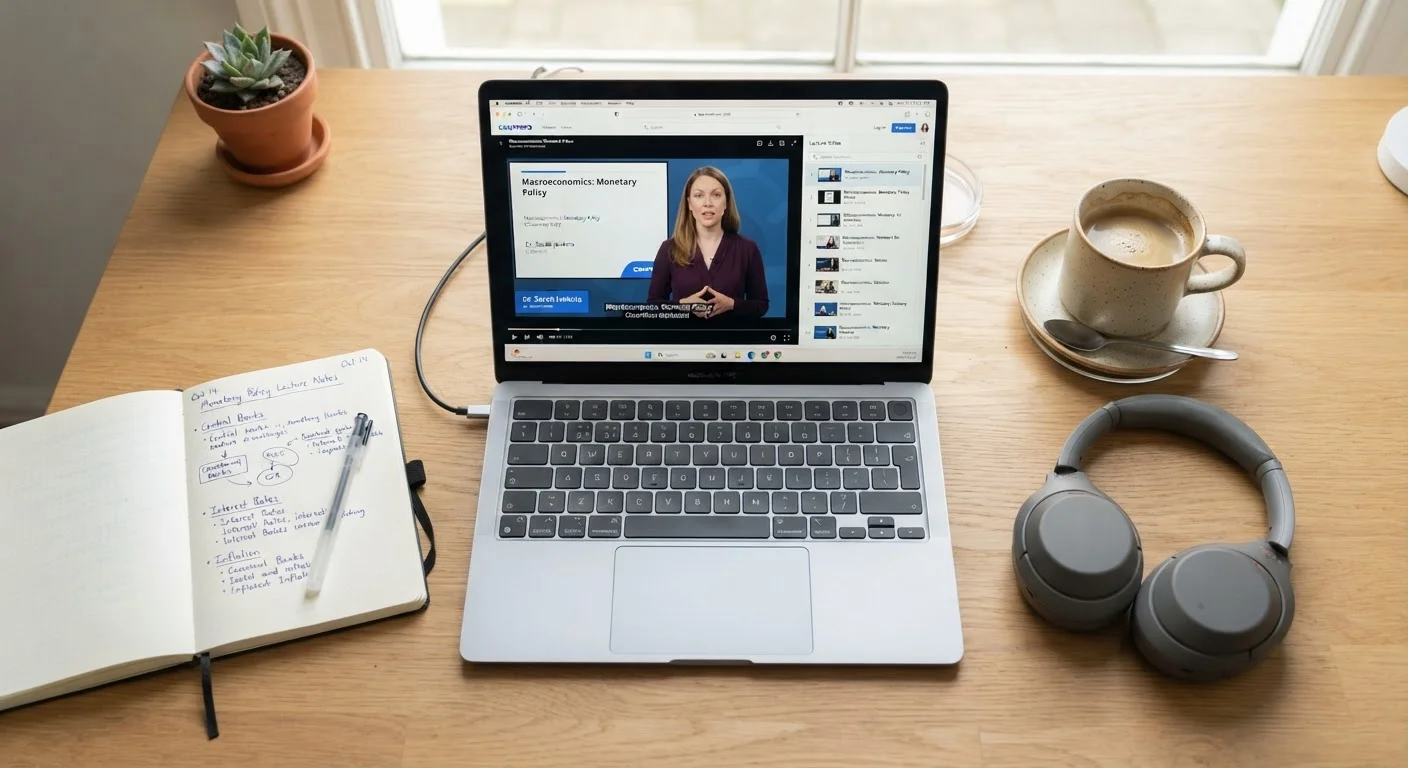
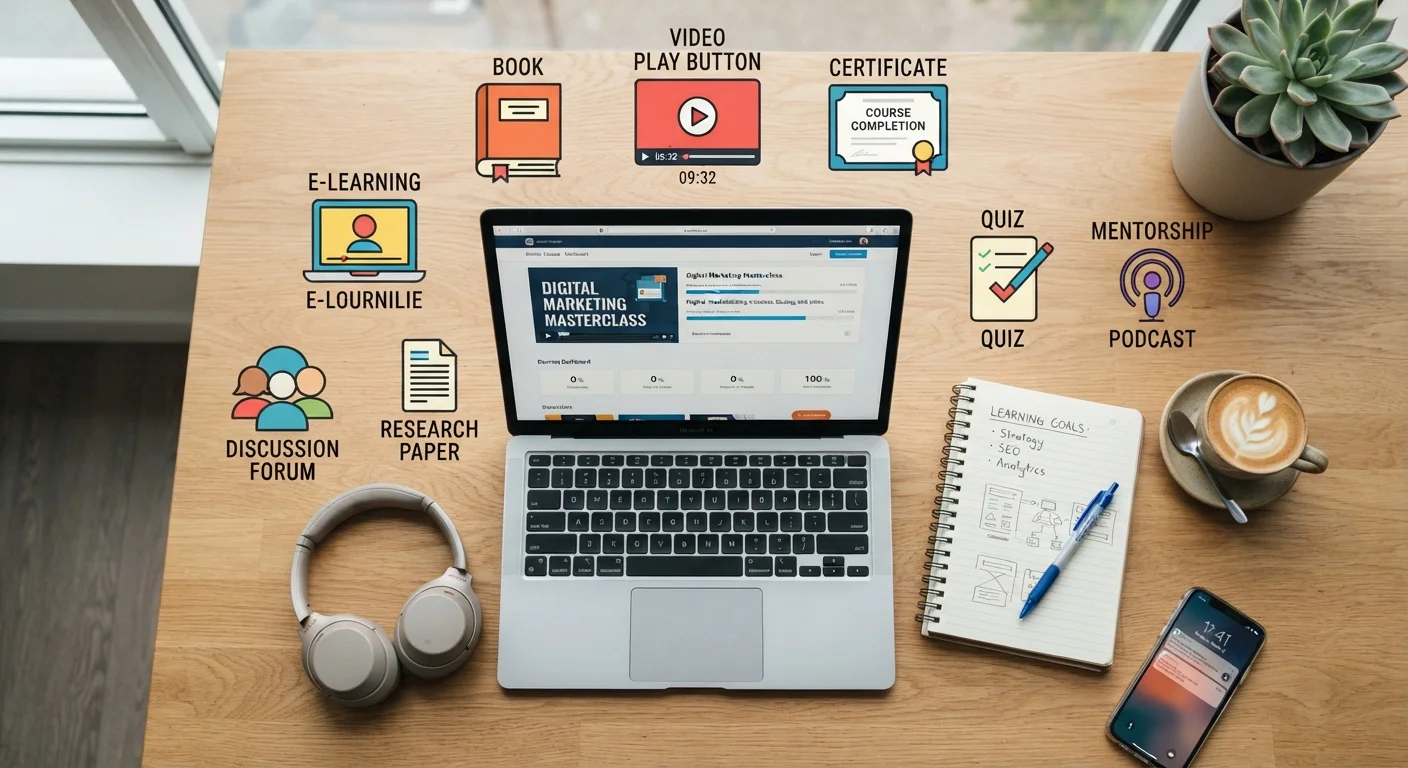
MOOCs are large-scale, open-enrollment courses delivered primarily through video lectures, quizzes, and discussion forums. They originated in higher education and often feature university faculty. Most content is free to audit; a paid certificate is typically optional. MOOCs suit learners who want structured academic content without formal enrollment commitments.
2. Subscription Learning Libraries
These platforms charge a recurring fee - monthly or annual - for unlimited access to a catalog of courses across many subjects. Courses tend to be shorter and more skills-focused than academic MOOCs. They work well for professionals who need ongoing, self-directed development across multiple topics. The trade-off: there is no inherent accountability structure, so completion depends heavily on self-discipline.
3. Bootcamps and Intensive Programs
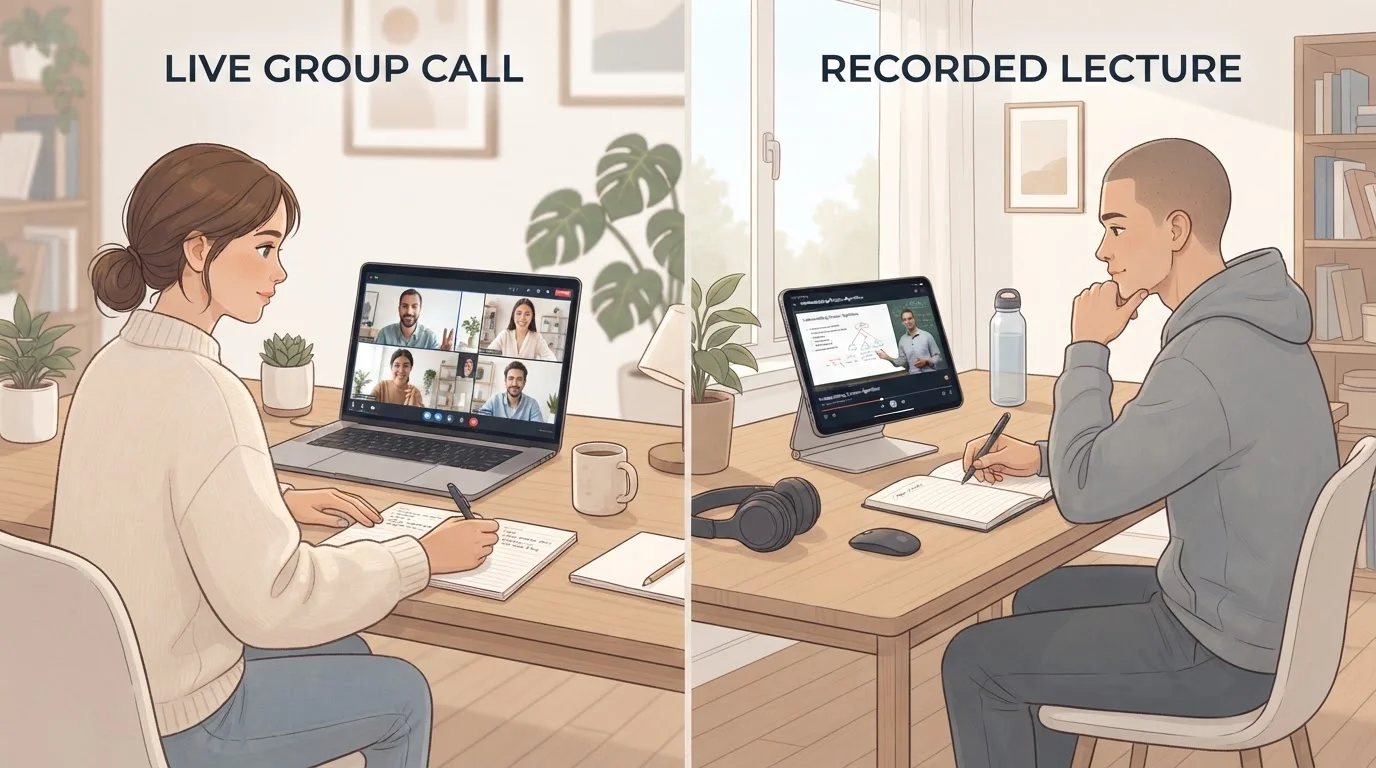
Bootcamps are immersive, time-bound programs - usually lasting weeks to months - focused on a specific skill set such as software development, data analysis, or UX design. They often include live instruction, cohort-based learning, and project work. Many are designed for career changers. Tuition is substantially higher than other platform types, and outcomes vary widely, so verifying a program's track record matters. For format considerations, review how synchronous and asynchronous delivery differ.
4. University and College Online Portals
Accredited institutions now deliver full degrees, certificates, and individual credit-bearing courses through their own online portals or partner platforms. Credits count toward recognized credentials, and the credential itself carries the institution's accreditation. These programs typically follow a semester structure, with formal admissions, tuition costs, and deadlines. They suit learners who need an accredited degree or want transferable academic credit. See our hub on degrees and certifications for help evaluating accreditation.
5. Employer and Corporate Learning Systems
Many organizations license learning management systems (LMS) or curated content platforms for internal employee development. Workers access these through their employer rather than signing up independently. While these platforms rarely confer external credentials, they can count toward internal advancement and professional development requirements.
MOOC
Massive Open Online Course - a large-enrollment online course, often affiliated with a university, that is open to anyone. Most allow free auditing with an optional paid certificate.
Accreditation
A formal quality-review process by which educational institutions or programs are evaluated against recognized standards. Credits and degrees from accredited institutions are more widely accepted by employers and other schools.
Learning Management System (LMS)
Software used to deliver, track, and manage training content. Employers and schools use LMS platforms to organize courses, assignments, and learner progress.
Cohort-based learning
A format in which a group of learners progresses through a course together on a fixed schedule. It typically includes live sessions and peer collaboration, adding accountability that self-paced formats lack.
Subscription library
An online platform that charges a recurring fee for unlimited access to a catalog of courses. Learners can explore many subjects without paying per course.
Choosing the Right Category for Your Goal
The clearest way to choose a platform type is to start with the outcome you need, not the platform name you've heard of. Ask three questions:
- Do I need a formal, recognized credential? If yes, university portals and accredited bootcamps are your primary options. If a certificate is enough, MOOCs and subscription libraries can deliver recognized credentials at lower cost.
- How much time and structure do I need? Bootcamps impose deadlines and cohort pressure. Subscription libraries offer maximum flexibility. University programs fall in between. If you're balancing work and study, this field guide for working adults walks through how to evaluate your schedule realistically.
- What am I willing to spend? Subscription libraries and free-to-audit MOOCs carry the lowest financial risk for exploration. Bootcamps and degree programs involve significant financial commitment and should be evaluated carefully before enrolling.
Platform type is not the only factor - delivery format, instructor quality, and community structure all play a role. For a balanced view of what digital learning genuinely delivers versus where it still has gaps, see what online learning does well and where it still falls short.